



Physiotherapy TMJ Treatment Kelowna
The temporomandibular joint – or TMJ for short – is where your jawbone meets your skull. Think of it as a hinge that lets you talk, chew, and yawn. When this joint gets unhappy, it can make your whole day miserable. And here’s the thing: Physiotherapy can actually help fix it.
What TMJ Disorder Really Feels Like
The pain can show up in different ways. Some people feel it right in front of their ears. Others get headaches that won’t quit. Your jaw might click or pop when you open your mouth. Sometimes it even feels like an earache, but your doctor says your ears are fine.
Here’s what makes it tricky: the pain doesn’t always stay in one place. It can travel down your neck, across your face, or into your shoulders. You might wake up feeling fine and then by lunchtime, you’re dealing with a jaw that won’t cooperate.
Why Your Jaw Might Be Acting Up
Poor posture matters more than you’d think. If you’re hunched over your computer all day, your head sits forward. This pulls on your jaw and neck in ways they weren’t designed to handle. Over time, this can throw off how your jaw moves.
An old injury can come back to haunt you. That time you took a hockey puck to the face or got rear-ended on Harvey Avenue – those impacts can affect your jaw years later. Even dental work can sometimes trigger problems if your bite changes.
How Physiotherapy Helps Your Jaw
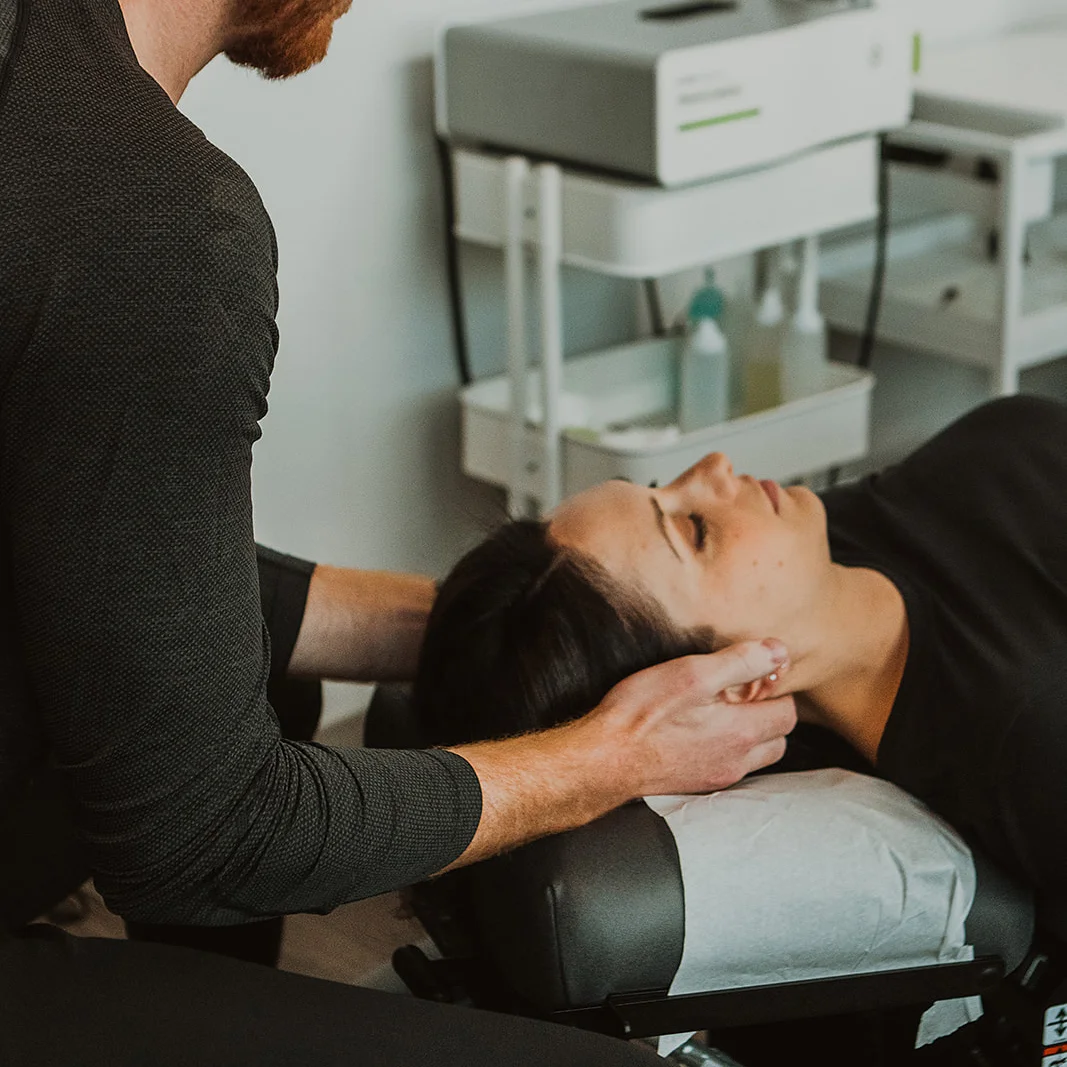
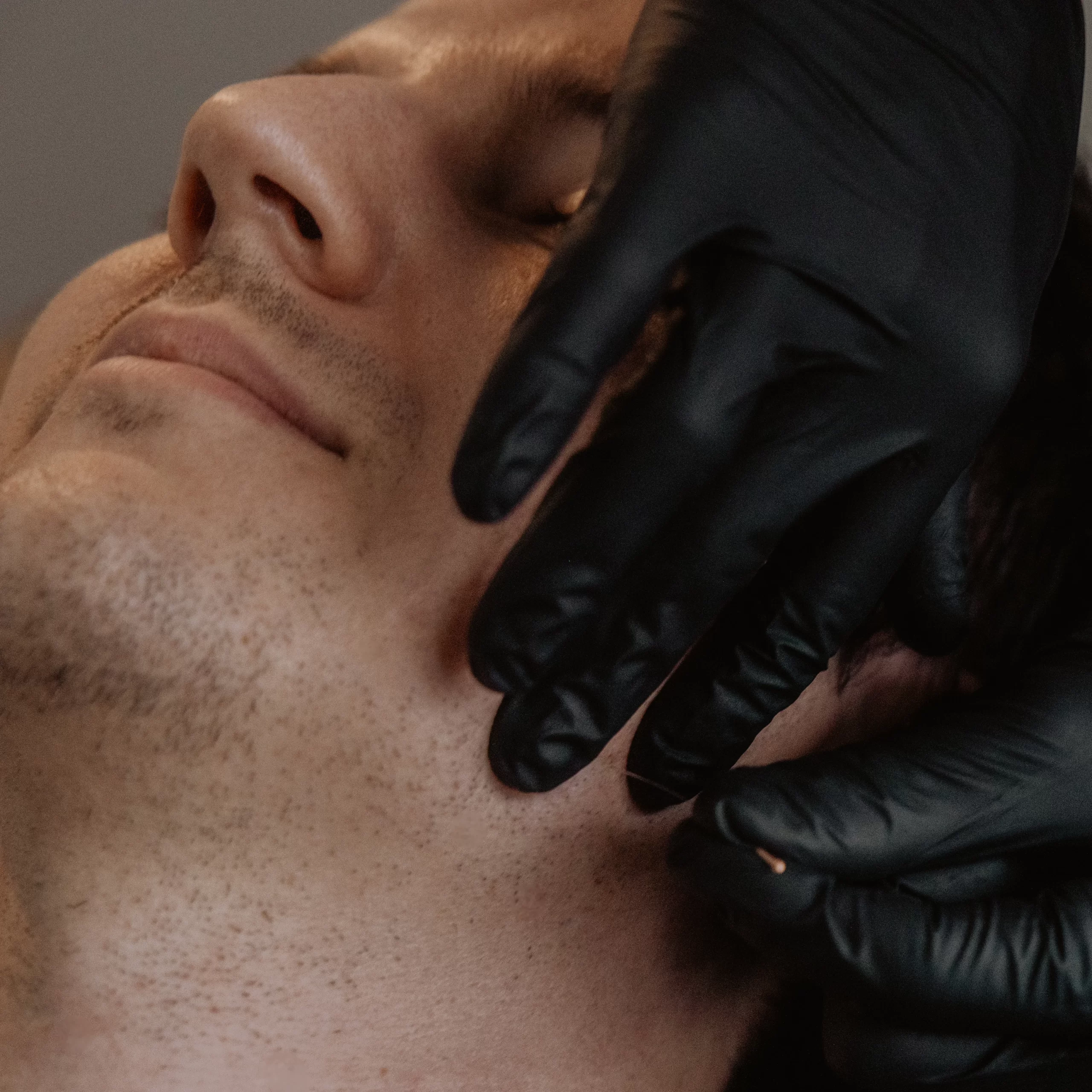
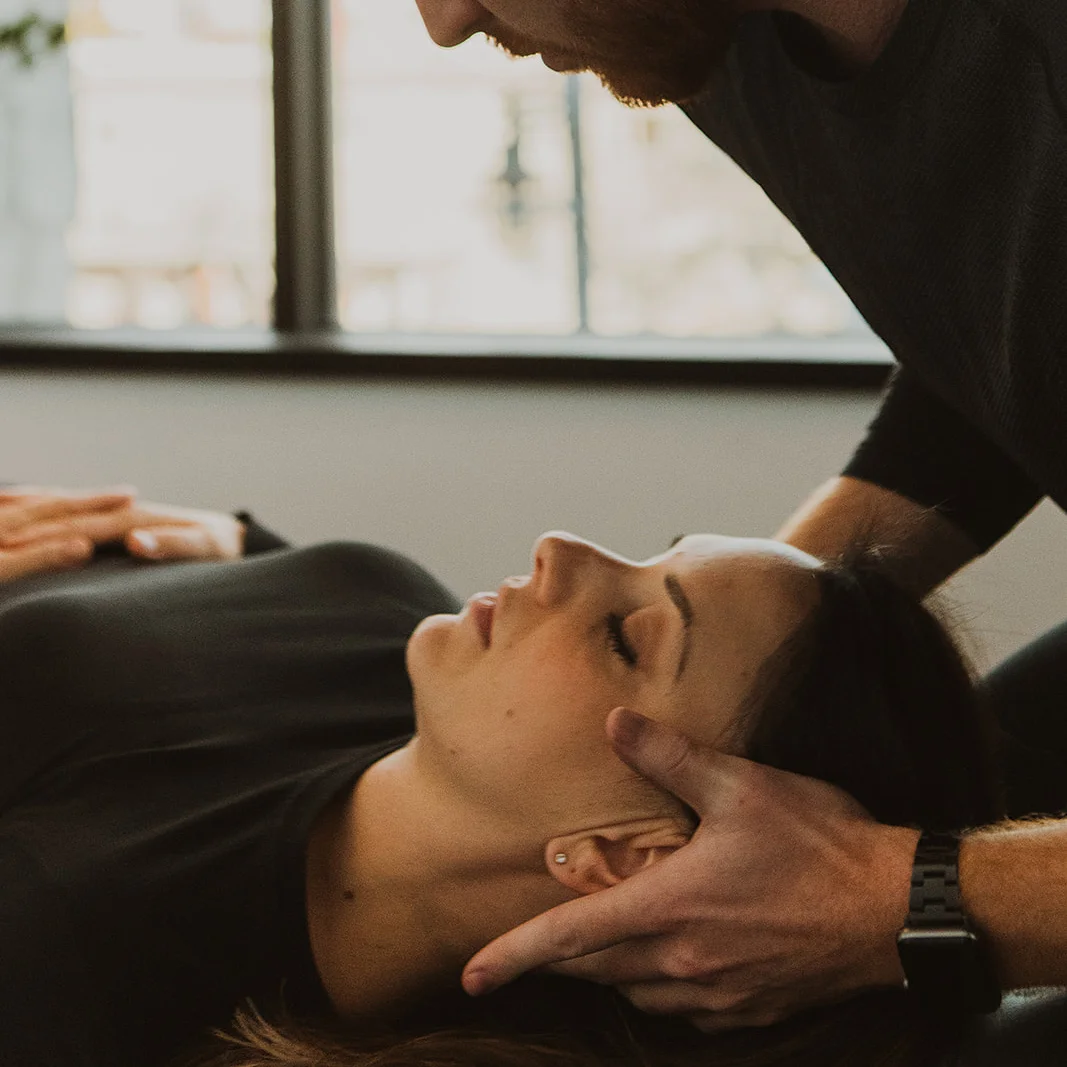
Treatment starts with hands-on work. Your Physiotherapist may work on the muscles around your jaw, both inside your mouth and outside. They’ll use gentle pressure to release tight spots and help your jaw move better. This can feel weird at first, but it’s not painful.
You’ll learn exercises that retrain your jaw to move correctly. These might seem simple – opening and closing your mouth in specific ways, moving your jaw side to side, or doing resistance exercises. But they work by strengthening the right muscles and relaxing the overworked ones.
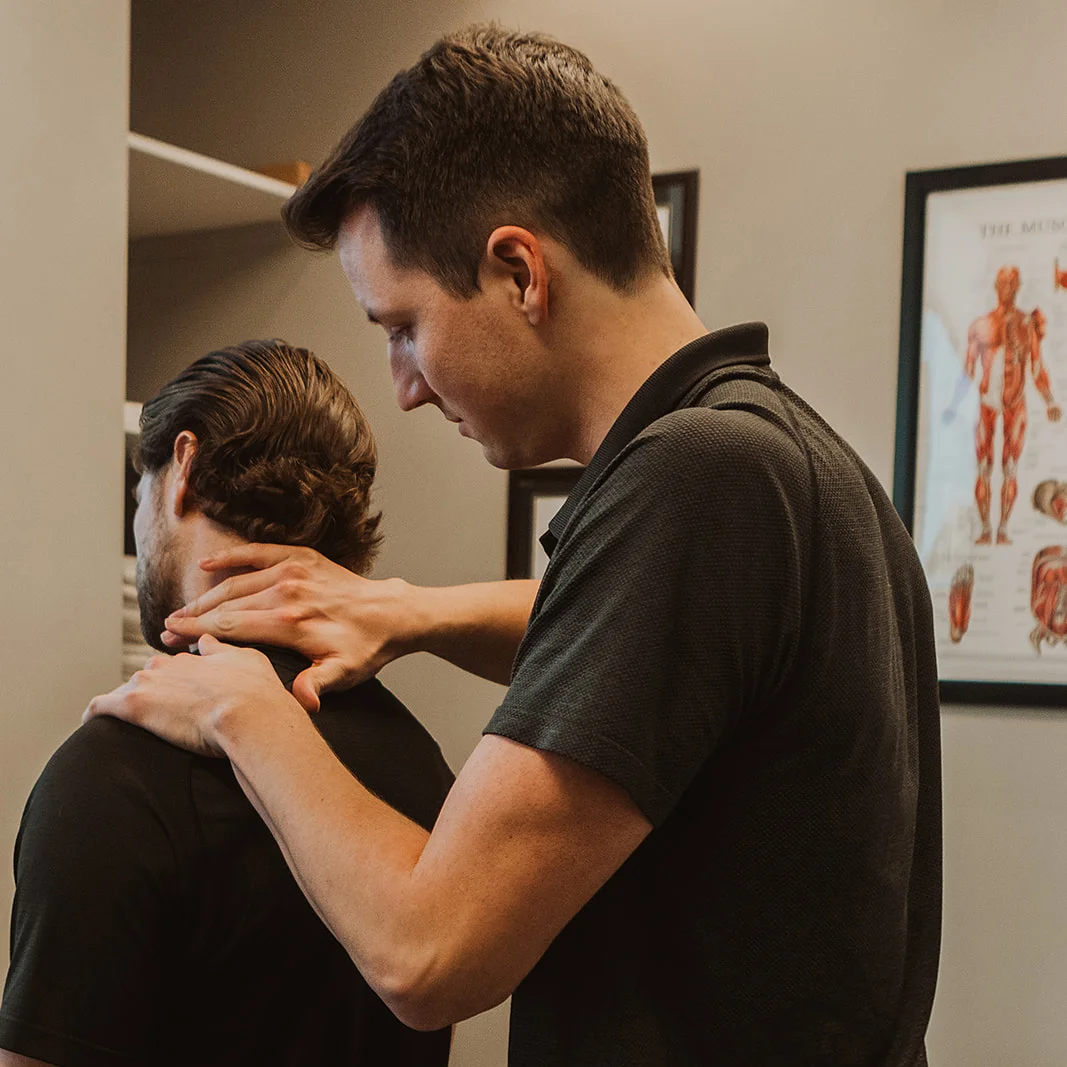
Physiotherapists also teach you about posture. When you sit and stand with better alignment, your jaw doesn’t have to work as hard. You’ll learn how to position your head and neck in ways that take pressure off your TMJ.
The Connection Between Your Jaw and Neck
The muscles that control your jaw attach to your skull and neck. When these muscles get tight, they pull on both areas. This can create a cycle where jaw pain causes neck tension, which makes the jaw pain worse.
Your posture affects both regions. When your head sits too far forward, it changes how your jaw sits in relation to your skull. This can throw off your bite and make your jaw muscles work harder than they should.
A Physiotherapist treats both areas together. They don’t just focus on your jaw – they look at your whole upper body. This approach helps break the cycle of pain and gets you better results.
What to Expect from Your First Visit
When you come to Pro Motion Clinic at our Pandosy Street location, your Physiotherapist will ask about your symptoms. They want to know when the pain started, what makes it worse, and what you’ve already tried.
They’ll watch how you move your jaw and check where you feel pain. They might ask you to open your mouth, move your jaw side to side, or bite down. This helps them see exactly what’s going on.
You’ll probably get some treatment during that first visit. This might include hands-on work to release tight muscles, some gentle exercises to try, and advice about things you can do at home. The goal is to start reducing your pain right away.
Most people need several visits to see real improvement. TMJ disorder develops over time, and it takes time to fix. But many people notice some relief after just a few sessions.
Exercises You Might Learn
Relaxation exercises help you learn to keep your jaw in a resting position. Your tongue should rest against the roof of your mouth, with your teeth slightly apart. This takes pressure off your TMJ and gives your muscles a break.
Stretching exercises improve how far your jaw can move without pain. You might open your mouth slowly, hold it for a few seconds, and close it again. Or you might move your jaw side to side in a controlled way.
Strengthening exercises make your jaw muscles work better together. These often involve gentle resistance – like placing your hand under your chin and pushing against it while you open your mouth. This builds up the muscles that need to be stronger.
Managing Your TMJ Pain at Home
Heat and ice can both help, but they work in different ways. Ice reduces inflammation and numbs pain. Heat relaxes tight muscles. Your Physiotherapist will tell you which one to use and when.
Watch what you eat. Hard foods like bagels or tough meat make your jaw work harder. Stick to softer foods when your jaw is bothering you. Cut food into smaller pieces. You don’t need to eat only soup, but you do need to be smart about it.
Avoid big yawns and don’t chew gum. These put extra stress on your TMJ. If you feel a yawn coming, support your jaw with your hand to keep it from opening too wide.
Pay attention to stress. When you feel tense, check if you’re clenching your jaw. Take a deep breath and relax your face. This simple habit can make a big difference over time.
Why Your Neck and Shoulders Matter
Forward head posture is common in Kelowna, especially if you work at a desk or spend time on your phone. Your head weighs about 10 to 12 pounds. When it sits forward, your neck muscles have to work much harder to hold it up. This creates tension that travels up to your jaw.
Shoulder blade position affects your neck, which affects your jaw. When your shoulders round forward, it pulls your head forward too. Your Physiotherapist will give you exercises to strengthen the muscles between your shoulder blades and improve your posture.
Treating your whole upper body gives better results than just focusing on your jaw. This is why Physiotherapy works so well for TMJ disorder – it looks at the bigger picture.
When to Seek Treatment
See a Physiotherapist if your jaw pain lasts more than a week or two. If your jaw locks or you can’t open it fully, that’s a sign you need help. Headaches that come from your jaw won’t respond to regular headache treatments – you need to address the source.
If you’re avoiding certain foods because of jaw pain, that’s affecting your quality of life. If you’re waking up with jaw pain or headaches, your sleep is being disrupted. These are all good reasons to get treatment.
How Long Does Treatment Take?
You’ll likely see your Physiotherapist once or twice a week at first. As you improve, visits might spread out to once every week or two. Your home exercises are just as important as the treatment you get in the clinic.
The goal isn’t just to reduce pain – it’s to fix the underlying problem so the pain doesn’t come back. This takes time. But with consistent treatment and home care, most people see significant improvement.
Getting Started at Pro Motion Clinic
Pro Motion Clinic is located at #202-3030 Pandosy Street in Kelowna, right in the heart of Pandosy Village. The clinic specializes in helping active people stay moving, whether you’re training for a half marathon along the Kettle Valley Rail Trail or just trying to enjoy your morning run at City Park.
The Physiotherapists at Pro Motion take a whole-body approach to TMJ treatment. They look at your posture, your movement patterns, and what might be contributing to your jaw pain. The clinic uses evidence-based treatments that have been shown to help with TMJ disorder.
You can call (236) 420-0660 to book an appointment. The team at Pro Motion will work with you to find appointment times that fit your schedule. Most people can get in for their first visit within a week or two.
If your jaw pain started after a car accident, Pro Motion Clinic accepts ICBC claims. This means you can get the treatment you need without worrying about upfront costs. The clinic handles the paperwork so you can focus on getting better.
What Makes Physiotherapy Different
Pain relievers can help you get through the day, but they don’t change what’s causing your jaw pain. When the medication wears off, the pain comes back. Physiotherapy addresses the tight muscles, weak areas, and movement problems that are creating pain in the first place.
A Physiotherapist also teaches you how to manage your condition. You learn what triggers your pain and how to avoid those triggers. You get exercises that keep your jaw healthy long after your treatment ends.
This approach takes more effort than just popping a pill. But it gives you lasting results. Many people who complete Physiotherapy for TMJ disorder stay pain-free for years.
Living in Kelowna with a Healthy Jaw
TMJ disorder doesn’t have to control your life. With the right treatment, you can get back to enjoying food, conversation, and all the activities that make life in Kelowna great. Your jaw is designed to work smoothly and pain-free. Sometimes it just needs a little help getting back on track.
Physiotherapy gives you that help. It’s not a quick fix – it’s a real solution. You’ll put in some work with exercises and home care. But you’ll get results that last.
If you’re dealing with jaw pain, clicking, or discomfort, reach out to Pro Motion Clinic. The team there knows how to treat TMJ disorder using approaches that work. They’ll create a plan that fits your specific situation and helps you reach your goals.
Your jaw does a lot of work every single day. It deserves care that actually makes a difference. That’s what Physiotherapy offers – treatment that gets to the root of the problem and helps your body heal the right way.