Kinesiology Taping in Kelowna
Professional kinesiology taping in Kelowna to support recovery and improve movement. Visit Pro Motion Clinic or call (236) 420-0660.
You’re halfway through your morning run around City Park when your knee starts talking. Not screaming—just that familiar nag that says something’s off. You finish the loop but spend the rest of the day wondering if you should skip tomorrow’s workout or push through.
This is where therapeutic taping comes in.
At Pro Motion Clinic in Kelowna, taping is one of the tools we use to help active people keep moving. Whether you’re training for race day, chasing kids at City Park, or just trying to make it through your work week without pain, taping may help support your body while it heals.
What is Therapeutic Taping?
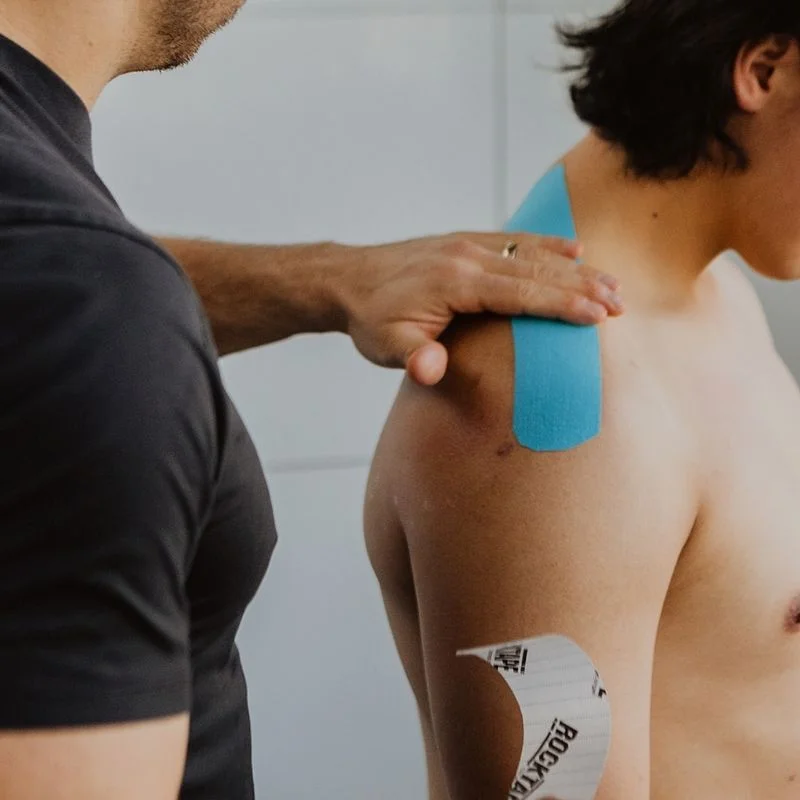
Therapeutic taping uses specialised elastic tape applied to your skin in specific patterns. Think of it as temporary support that moves with you instead of locking you down.
The tape itself feels different from regular athletic tape. It’s stretchy, breathable, and designed to stay put through workouts, showers, and regular life. Most people wear it for several days at a time.
Here’s what makes it different from the rigid white tape you might remember from high school sports: therapeutic tape lets you move. You can bend, stretch, and go about your day while the tape does its job.
The tape works by gently lifting your skin. This small lift may help improve blood flow to the area and create space for fluid movement. When tissues have room to move and breathe, your body can focus on healing instead of fighting inflammation.
RockTape and KT Tape: Understanding Your Options
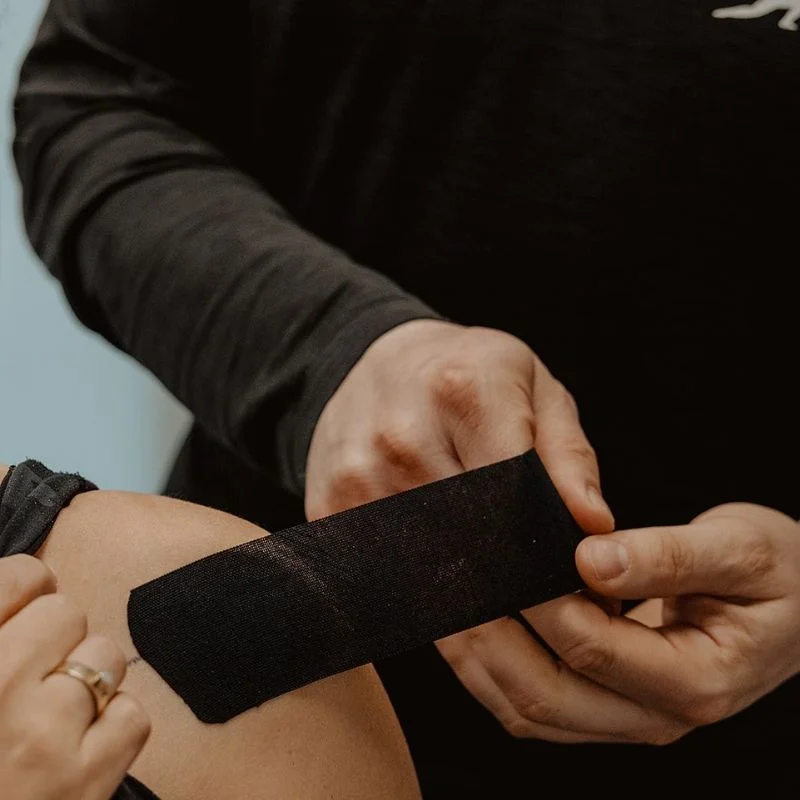
When people talk about therapeutic taping, they often mention specific brands like RockTape and KT Tape. These are two of the more common brands of kinesiology tape you’ll see in clinics and on athletes.
RockTape uses a cotton-nylon or hemp-nylon blend that creates a tighter weave. This makes it more durable and better at handling sweat during intense workouts. The adhesive is stronger, which means it tends to stay put for 3-5 days even through showers and training sessions.
KT Tape uses synthetic fibres and comes in convenient pre-cut strips with rounded corners. This saves time during application since you don’t need to cut or shape the tape yourself. The KT Tape Pro version may last up to 7 days and uses a gentler adhesive that some people find more comfortable.
Both brands stretch to about 180% of their original length. This high stretch allows the tape to move naturally with your body while still providing support. Compare that to older athletic tapes that only stretched 80-140%.
The different colours you see on tape are just for looks. Pink, blue, black, or camouflage patterns all work the same way. Pick whatever colour you like or matches your workout gear.
At Pro Motion Clinic, we use professional-grade taping products chosen for quality and performance. The specific brand matters less than proper application and technique. What works for one person might not work the same for another, so we focus on finding what helps your body heal.
How Taping Supports Your Recovery
When you come in for taping at our Kelowna clinic, we’re looking at more than just the spot that hurts. Your knee pain might start with how your hip moves. Your shoulder issue might connect to your posture at work.
This is why taping works better when it’s part of a bigger plan. The tape supports your muscles and joints while you work on the movement patterns that caused the problem in the first place.
The tape can be applied in different ways depending on what your body needs:
- Light tension to wake up weak muscles
- Specific patterns to support joints
- Directional pulls to help with swelling
- Strategic placement to change how your body moves
Every application is different because every body is different.
Common Issues Treated with Taping
Knee Pain and Support
If you’ve been dealing with knee pain while hiking Knox Mountain or playing rec league sports at MNP Place, taping may provide the support you need to keep going while you heal. The tape can help hold your kneecap in better alignment and reduce stress on the surrounding tissues. People often use taping for runner’s knee, patellofemoral pain, or that general achiness that shows up after leg day.
Shoulder and Rotator Cuff Issues
Whether you’re swimming laps at Gyro Beach or just trying to reach the top shelf without wincing, proper shoulder taping may help reduce pain during movement.
Ankle Stability
This matters if you’re trying to stay active during recovery. You can still walk the dog or navigate Kelowna’s downtown streets without feeling like you’re wearing a boot.
Lower Back Support
The tape doesn’t fix the problem on its own, but it can make movement less painful while you work on the exercises that will actually solve the issue.
Muscle Strains and Fatigue
Athletes use taping before big events to support muscles that might be tired from training. Others use it after hard workouts to help their bodies bounce back faster.
What to Expect During a Taping Session
When you book a taping appointment at our Pandosy Street location in Kelowna, the session starts with assessment. We need to understand what’s going on with your body before we put tape on it.
Your practitioner will watch how you move, test your strength, and figure out which muscles are working properly and which ones are slacking off. This information guides where the tape goes and how it’s applied.
The taping itself takes about 10-15 minutes once we know what we’re doing. The tape goes on dry, clean skin. If you’re hairy where the tape needs to go, you might need to trim or shave the area first so the tape sticks properly.
Both RockTape and KT Tape are designed to be water-resistant. Most people can shower with the tape on without it falling off. It’s made to handle sweat during workouts, swimming at Gyro Beach, or getting caught in Kelowna rain. Just pat it dry with a towel afterward instead of rubbing it.
The tape usually stays on for 3-5 days, though some versions may last up to a week. When it starts to peel or feel loose, it’s time to take it off or get new tape applied.
Taping as Part of a Bigger Plan
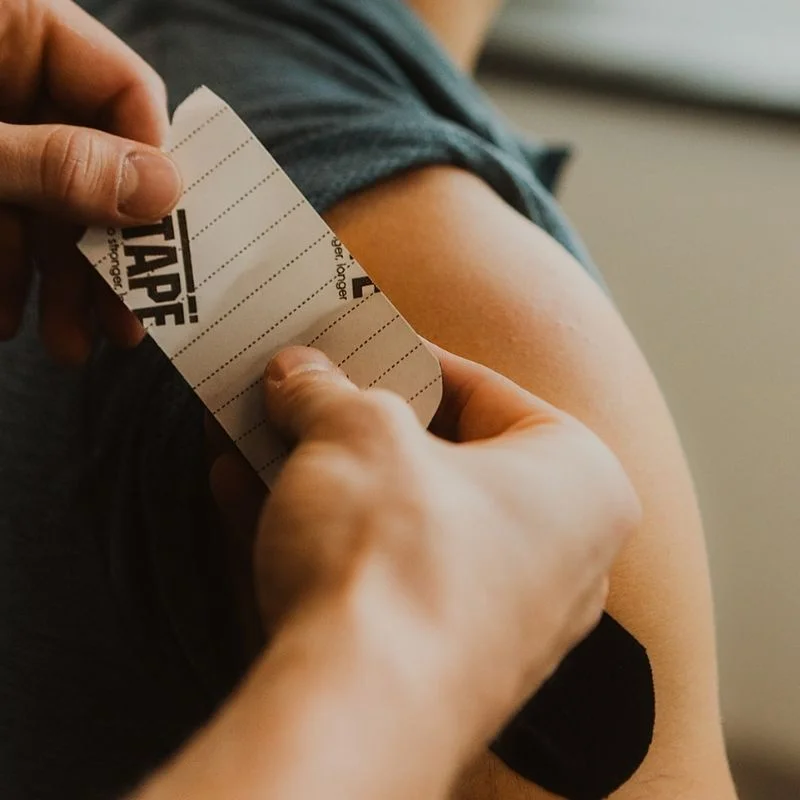
Here’s the thing about taping: it’s not a magic fix.
The tape supports your body while you do the work that actually creates change. That work might include exercises, movement training, manual therapy, or addressing the habits that caused the problem in the first place.
At Pro Motion Clinic, we use taping alongside other treatments. Your Chiropractor might tape your shoulder after adjusting your spine. Your Kelowna Physiotherapist might tape your knee while teaching you strengthening exercises. Your Registered Massage Therapist might use taping to help maintain the changes made during your session.
This team approach matters because most pain doesn’t have a single cause. Your body is connected, and fixing one spot often requires addressing several areas at once.
Who Benefits from Taping?
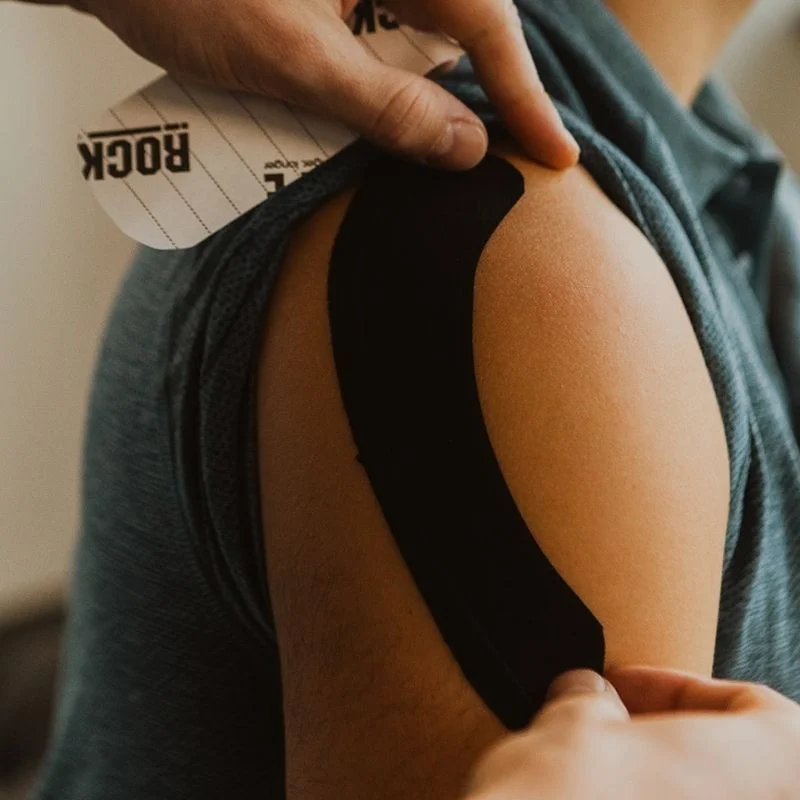
Taping works well for people who want to stay active during recovery. If your options are either stop everything you love or find a way to keep moving safely, taping might be the middle ground.
Athletes use taping to train through minor issues and prevent injuries during competition. The support lets them keep their training schedule without making things worse.
Active parents use taping to make it through family activities at the beach or playground. When your kid wants you to play, you need your body to cooperate.
Office workers use taping to maintain better posture during long workdays. The tape serves as a gentle reminder to sit up straight and engage the right muscles.
Weekend warriors use taping before and after big adventures. Whether you’re skiing at Big White or mountain biking the trails near Mission Creek, taping can help your body handle the demands you’re putting on it.
What Taping Won’t Do
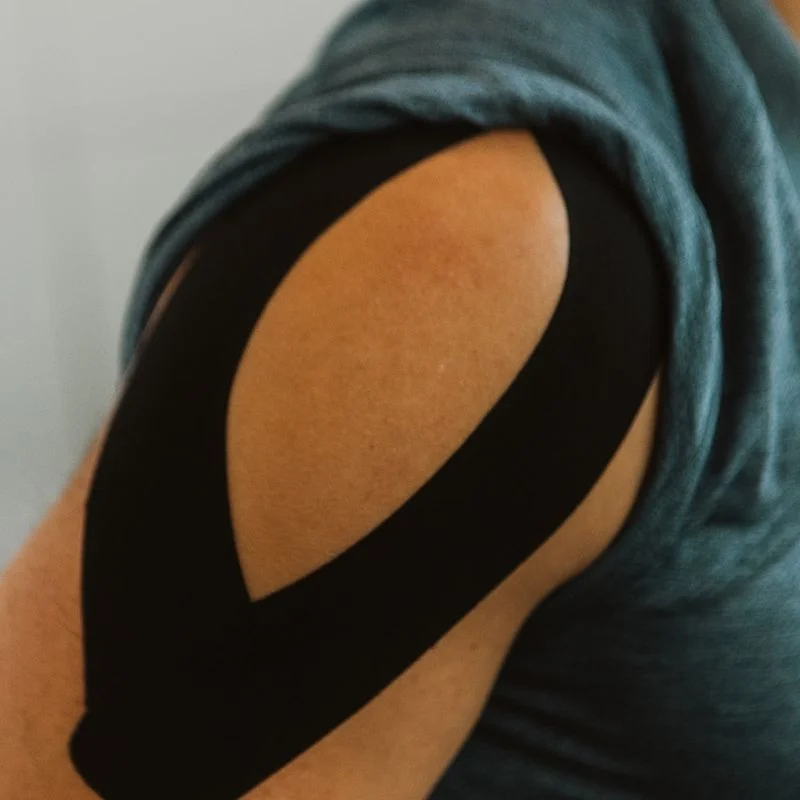
Let’s be clear about what therapeutic taping can’t do. It won’t heal a torn ligament. It won’t fix a bone problem. It won’t replace proper rest when your body needs it.
Some conditions need more than tape. If you have a serious injury, the tape might help with symptoms, but you’ll need other treatments to address the actual problem.
Taping also won’t work the same for everyone. Some people feel immediate relief. Others notice subtle changes over a few days. A few people don’t respond to taping at all, and that’s okay. It’s just one tool in the toolbox.
Taping and ICBC Claims
If you’ve been in a motor vehicle accident, your treatments at Pro Motion Clinic may be covered by ICBC. This includes taping services when they’re part of your recovery plan.
We handle ICBC claims directly, so you don’t have to worry about paperwork and reimbursement. Our team knows how to document your treatments properly and communicate with ICBC adjusters.
Getting care right after an accident matters. The sooner you start treatment, the better your chances of full recovery. Taping can be part of your early treatment plan to help reduce pain and support injured tissues while you heal.
Finding the Right Support in Kelowna
Pro Motion Clinic is located at #202-3030 Pandosy Street, right in the heart of Kelowna’s Pandosy Village. We’re easy to find and close to downtown, making it simple to fit appointments into your schedule.
Our team includes Physiotherapists, Chiropractors, Registered Massage Therapists, and Kinesiologists who all use taping as part of their treatment approach. This means you can get taping as part of whatever service you’re already receiving.
Call (236) 420-0660 to book an appointment or ask questions about whether taping might help with your specific issue. Our team can talk you through what to expect and help you figure out if taping fits into your recovery plan.
Taping can be complemented with Massage Therapy in Kelowna to reduce muscle tension and support overall recovery.
Moving Forward with Support
Your body wants to move. That’s what it’s built for. When pain or injury gets in the way, taping may provide the support you need to keep doing what you love while you heal.
At Pro Motion Clinic in Kelowna, we use taping as part of a bigger approach to help active people stay active. The tape supports your body while you work on the exercises, movement patterns, and habits that create lasting change.
Whether you’re training for a goal, recovering from injury, or just trying to make it through your week without pain, therapeutic taping might be worth trying. It won’t solve everything on its own, but it can be a helpful tool as part of your overall treatment plan.
Book your appointment at our Pandosy Street location and let’s see if taping can help support your body’s healing process. We’re here Monday through Saturday, ready to help you move better and feel better.
Real results, real people
Ready to move better in Kelowna?
Book online or call our team — direct billing is available for most extended health plans.