Physiotherapist Kelowna
Looking for an experienced physiotherapist in Kelowna? Pro Motion Clinic provides personalised rehab & pain-relief treatment. Call (236) 420-0660.
Your body talks to you every day. That twinge in your knee when you take the stairs. The stiffness in your shoulder after a day at your desk. The lower back pain that won’t quit after you helped your friend move last weekend. You know something’s off, but you’re not sure what to do about it.
Here’s what we see all the time at Pro Motion Clinic: people wait. They hope it’ll get better on its own. They try stretching they found online. They pop a few pain meds. Weeks turn into months, and suddenly that small problem becomes a big one.
What Does a Physiotherapist Actually Do?
Let’s cut through the confusion. A Physiotherapist looks at how your body moves and figures out why something hurts or doesn’t work right. We don’t just treat the pain. We find what’s causing it.
Think about it this way: if your car pulls to the left, you don’t just grip the steering wheel tighter. You check the alignment. Your body works the same way. If your knee hurts when you run, the problem might be in your hip. If your shoulder aches, it could be how you’re using your core.
At our clinic on Pandosy Street in Kelowna, we start every session by listening. What happened? When does it hurt? What makes it better or worse? Then we watch you move. We test different things. We put the puzzle pieces together.
Common Reasons People See a Physiotherapist in Kelowna
Our clinic sits right in the heart of South Pandosy, which means we see a lot of active people. Hikers coming down from Knox Mountain with knee problems. Skiers dealing with shoulder injuries from Big White. Office workers from the tech district with neck pain.
You might need physio if:
Sports injuries keep you ON the sidelines
Rolled your ankle playing volleyball at Gyro Beach? Tweaked your back during golf season? These things happen when you live in a place as active as Kelowna. We help you heal properly so you can get back to doing what you love.
Old injuries never fully healed
Maybe you hurt your knee five years ago and it still bothers you when the weather changes. Or you had a car accident and your neck hasn’t felt right since. Bodies have memory. We can help retrain them.
Work is taking a toll
Sitting at a desk all day wrecks your body more than you’d think. Your shoulders round forward. Your hip flexors get tight. Your low back screams at you when you finally stand up. We see this constantly in people who work in the downtown offices or at UBCO.
You can't do basic stuff anymore
Playing with your kids hurts. Gardening leaves you sore for days. Walking to Lakeview Market feels harder than it should. These aren’t signs of getting old. They’re signs something needs attention.
Surgery is ON the table
Sometimes you need surgery. But often, physio can help you avoid it. And if you do need surgery, we can get you ready for it and help you recover after.
How Physiotherapy Works
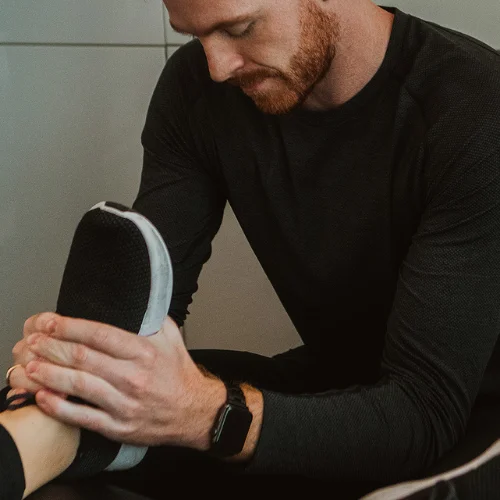
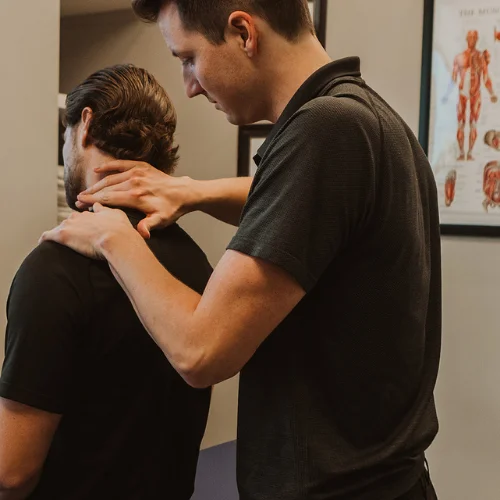
Your first visit takes time. We’re talking about your body here, not ordering coffee. We ask questions. We assess how you move. We figure out what’s actually going on.
Here’s the thing most people don’t get: physio isn’t passive. You’re not just lying there while someone does things to you. You’re an active part of getting better. We give you exercises. We teach you how to move differently. We show you what your body needs.
Treatment might include hands-on work where we help loosen tight muscles or improve how your joints move. But the real magic happens when you take what we teach you and use it at home. That’s how bodies change.
Some people feel better fast. Others take longer. It depends on what’s wrong, how long you’ve had it, and what you’re willing to do about it. We’re honest about what to expect.
Dry Needling: Small Needles, Big Results
Dry needling sounds scary until you understand what it does. We use thin needles (way thinner than the ones for blood draws) to release tight spots in your muscles. These trigger points feel like knots and they can cause pain in weird places.
Here’s a common example: you have a tight spot in your upper back between your shoulder blade and spine. That knot might be why your neck hurts or why you get headaches. When we needle that trigger point, it releases. The muscle relaxes. Blood flow improves. Pain drops.
Does it hurt? Most people say they barely feel the needle going in. Sometimes the muscle twitches when we hit the spot. That’s actually good – it means we found the problem. You might feel sore afterward, like you worked out. That usually goes away within a day or two.
Dry needling works great for:
Muscle tightness that won’t quit with stretching alone. Chronic pain that keeps coming back. Tension headaches from tight neck and shoulder muscles. Sports injuries where muscles are guarding and won’t relax.
We use this a lot with people training for races or coming back from injuries. It helps reset the muscle so other treatments work better. Think of it as hitting the reset button on a stubborn muscle.
The needles stay in for a few minutes while your muscle does its thing. Then we take them out, and usually you move better right away. Combine this with the right exercises and you’ve got a powerful tool for getting better.
Shockwave Therapy: Sound Waves That Heal
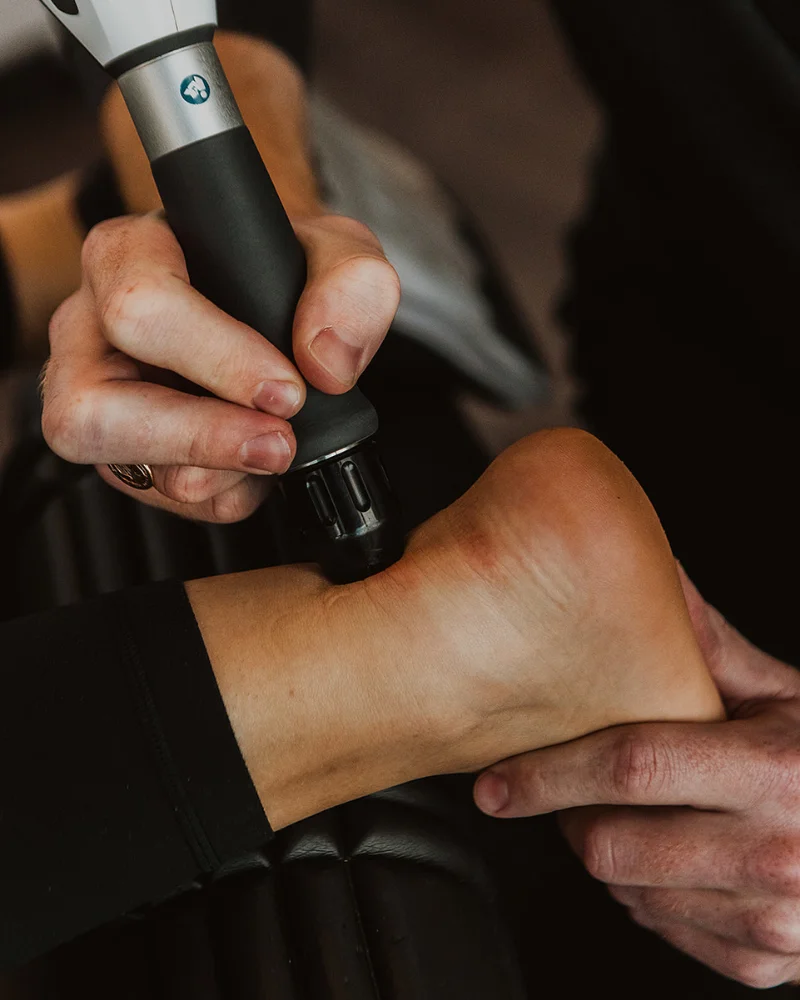
Shockwave therapy uses sound waves to help stubborn injuries heal. If you’ve had the same problem for months and nothing else has worked, this might be your answer.
The device looks like a handheld tool that we press against your skin. It sends pulses of energy into the tissue. This does two things: it breaks up scar tissue and it tells your body to send more blood to the area. More blood means more healing.
What does it feel like? Imagine someone tapping on your injury with medium pressure. Some spots hurt more than others. The sore spots are usually where you need treatment most. Most people handle it fine. We can adjust the intensity if needed.
Shockwave works well for:
Plantar fasciitis – that stabbing pain in your heel when you get out of bed. Tennis elbow or golfer’s elbow – chronic pain on the outside or inside of your elbow. Achilles tendon pain – the annoying ache in the back of your ankle that won’t quit. Shoulder pain from calcific tendonitis or chronic tendon issues. Shin splints that keep coming back.
These are all conditions where the tissue has stopped healing on its own. Your body gives up. Shockwave therapy wakes it back up and says “hey, we’re not done here.” It jumpstarts the healing process.
Treatment takes about 10-15 minutes. You typically need a series of sessions spread out over a few weeks. Many people notice improvement after 2-3 treatments. Some conditions need more sessions to fully resolve.
You can usually keep doing your activities while getting shockwave. We might tell you to back off intensity for a day or two after treatment, but you don’t have to stop everything. This makes it practical for people who don’t want to pause their training or their life.
Vestibular Therapy: When the Room Won’t Stop Spinning
Ever roll over in bed and suddenly the whole room spins? Or stand up and feel like the ground is moving? That’s your vestibular system acting up – the part of your inner ear that helps you balance and know where you are in space.
Most people don’t think about their balance system until it stops working. Then everything becomes difficult. Walking feels unsteady. Driving makes you queasy. Looking at your phone triggers dizziness. You might avoid turning your head quickly or looking up at shelves because you know what’s coming.
Vestibular therapy targets these issues directly. We use specific exercises and techniques designed to retrain your balance system. For BPPV (that’s when tiny crystals in your ear get out of place), we can often fix it in one session with repositioning maneuvers. You might feel dizzy during the treatment, but many people walk out feeling steady again.
Other types of dizziness need different approaches. We might do gaze stabilization exercises where you practice keeping your eyes focused while moving your head. Or habituation exercises that gradually expose you to the movements that trigger symptoms. Your brain learns to adapt. The dizziness reduces.
Balance retraining helps too. We challenge your system in controlled ways so you get steadier on your feet. This matters especially after a fall or if you’re older and worried about falling. Being confident in your balance changes what you’re willing to do.
TMJ Disorder Management: Your Jaw Shouldn’t Hurt
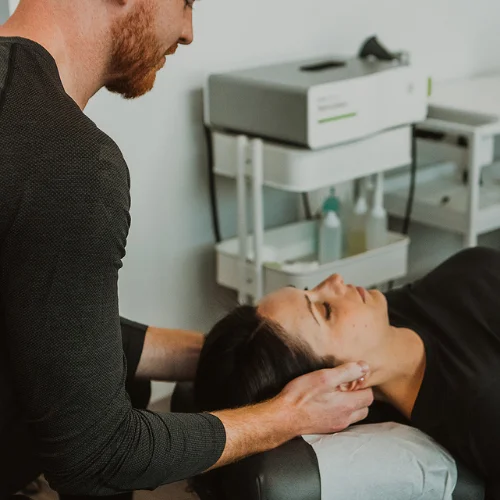
Your jaw joint – that’s the temporomandibular joint or TMJ – gets used constantly. Talking, chewing, yawning. When it hurts or clicks or locks up, eating becomes stressful. Even opening your mouth wide feels scary.
TMJ problems show up as jaw pain, headaches, clicking sounds when you open your mouth, or that sensation where your jaw catches and won’t open smoothly. Sometimes your ear hurts but nothing’s wrong with your ear. Sometimes your teeth hurt but the dentist can’t find anything wrong.
Here’s what most people don’t realize: your jaw doesn’t work alone. It’s connected to your neck, your posture, how you breathe, how much stress you carry. We look at the whole picture.
Treatment might include hands-on work to release tight jaw muscles. Teaching you exercises to improve how your jaw moves. Addressing neck issues that affect jaw function. Looking at your posture – because spending all day hunched over a computer definitely impacts your jaw.
We also help you understand what makes it worse. Clenching at night? Grinding your teeth? Chewing gum all day? These habits matter. Sometimes simple changes make a big difference.
The goal is getting you back to eating without pain, talking without fatigue, and not thinking about your jaw every five minutes.
Concussion Rehabilitation: Getting Your Brain Back ON Track
Concussions mess with everything. Your head hurts. Lights feel too bright. Sounds are too loud. Thinking clearly takes more effort than it should. You feel foggy and off and not like yourself.
Maybe you hit your head playing hockey or in a car accident. Maybe you took a fall. Concussions don’t always come from obvious impacts. What matters is that your brain got shaken up and now it needs help recovering.
Concussion rehab combines several approaches. We address neck issues that often come with head injuries – because your neck took impact too. We do visual and vestibular exercises to help your brain process information better. We guide you through graded activity so you can start doing more without making symptoms worse.
The tricky part with concussions is that rest helps initially, but too much rest can slow recovery. We help you find that balance between pushing too hard and doing nothing. Gradually building up what you can handle.
Going back to school or work or sport needs to be done carefully. Rush it and symptoms flare up. We create a plan that supports a safe return. Each person’s timeline is different. Some people recover in weeks. Others take months. We adjust as you go.
Education matters here. Understanding what’s happening in your brain reduces fear. Knowing which symptoms are normal and which need attention. Having a clear plan instead of just hoping it gets better.
Explore chronic pain rehab to regain movement and confidence in daily activities
Instrument-Assisted Soft Tissue Mobilization: Breaking Up Scar Tissue
Sometimes hands aren’t enough. We need tools. That’s where instrument-assisted soft tissue mobilization comes in – we call it IASTM for short because that’s a mouthful.
We use specially designed stainless steel tools to work on your muscles, tendons, and fascia (that’s the connective tissue that wraps everything). These tools let us find and break up adhesions and scar tissue that hands alone can’t address as well.
When you have an injury, your body lays down scar tissue as it heals. That’s normal. But sometimes the scar tissue forms in ways that restrict movement or cause pain. The tissue gets stuck together when it should glide smoothly. IASTM helps break up these restrictions.
What does it feel like? We scrape the tool along your skin with controlled pressure. Sometimes it feels like a deep massage. When we hit areas with restrictions, it might feel tender or scratchy. You might see some redness or even light bruising afterward – that’s normal and goes away quickly.
This works well for chronic tendon problems, old injuries that never fully healed, areas that feel tight no matter how much you stretch, and scar tissue from surgery. We often combine it with other treatments for better results.
The tools give us leverage and precision. We can work deeper into tissue with less effort, which means more effective treatment. And we can feel texture changes in the tissue that tell us where the problem spots are.
Taping: Extra Support When You Need It
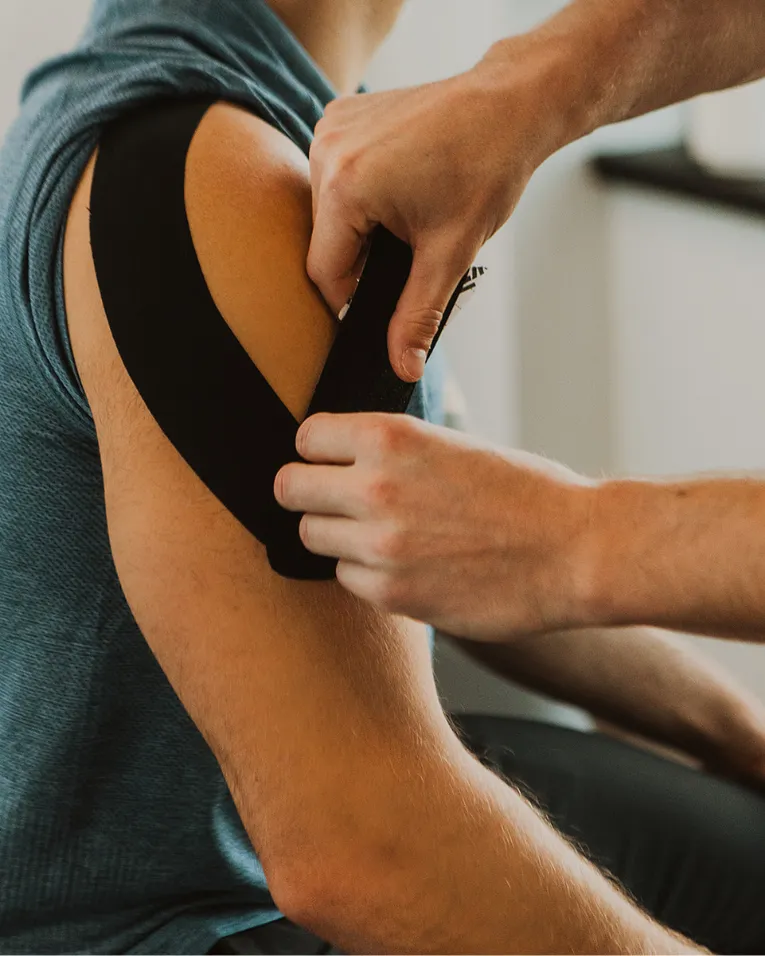
Athletic tape and kinesiology tape do different things, but both have their place. Athletic tape provides firm support – think of it as a brace made from tape. We use this when you need stability for an injured joint but still want to move.
Say you rolled your ankle and it’s still unstable. Taping it gives support while it heals. You can walk, work, even do light activity without worrying about rolling it again. It’s not a permanent fix – you still need to strengthen the ankle – but it helps during recovery.
Kinesiology tape is different. Those colorful strips you see on athletes? That’s K-tape. It’s stretchy and designed to work with your movement, not restrict it. We use it to support muscles, reduce swelling, provide sensory feedback about your position, or help with pain relief.
The tape lifts the skin slightly, which may improve circulation and reduce pressure on pain receptors. It also gives your brain extra information about where your body is and how it’s moving. This can help retrain movement patterns.
Does it actually work? Research is mixed, but many people feel it helps. Part of it might be placebo. Part might be the actual mechanical effects. Either way, if it helps you move better and with less pain while you’re healing, we’ll use it.
Taping isn’t a solution by itself. It’s a tool we use alongside other treatments. Think of it as temporary support while your body gets stronger and more stable on its own.
Therapeutic Ultrasound: Deep Tissue Healing
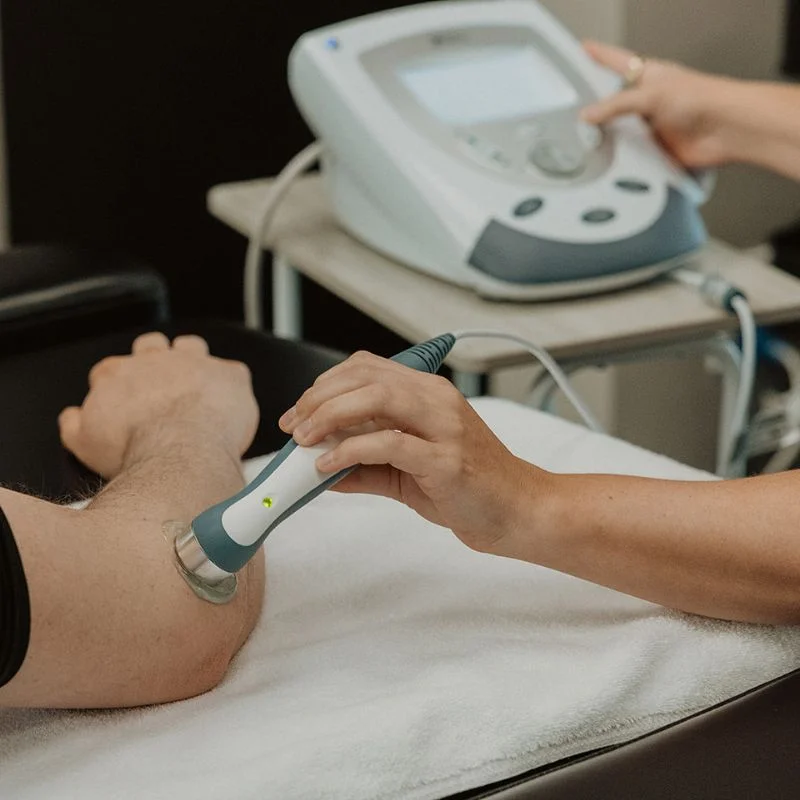
Therapeutic ultrasound has nothing to do with the ultrasound that looks at babies. This one uses sound waves to heat deep tissue and promote healing. You can’t hear it or see it, but you’ll usually feel gentle warmth.
We use a handheld device that we move over the injured area. The sound waves penetrate into the tissue – deeper than our hands can reach. This increases blood flow, which brings oxygen and nutrients to the area. It also helps break down scar tissue and may reduce inflammation.
What’s it good for? Chronic tendon injuries, muscle strains that won’t resolve, joint inflammation, and soft tissue injuries that are stuck in the healing process. It works best for injuries in specific spots rather than widespread pain.
Treatment takes about 5-10 minutes per area. You’ll feel the device moving on your skin with gel (like the kind they use for baby ultrasounds). Most people find it relaxing. You shouldn’t feel pain, just warmth.
We typically combine ultrasound with other treatments. It helps prepare the tissue so our hands-on work is more effective. Think of it as warming up the area before we work on it more directly.
Some injuries respond really well to ultrasound. Others don’t seem to care either way. We try it for a few sessions and see how you respond. If it’s helping, we keep using it. If not, we move on to something else.
Chronic Pain Rehabilitation: Retraining Your Nervous System
Pain that lasts months or years changes how your nervous system works. Your body becomes oversensitive. Things that shouldn’t hurt start hurting. Your brain’s alarm system gets stuck in the “on” position.
Chronic pain isn’t just about tissue damage anymore. It’s about how your nervous system has learned to respond. This means treating it differently than acute injuries. We can’t just work on the body part that hurts. We need to address the whole system.
Treatment combines education with movement. Understanding what’s happening in your brain and nervous system reduces fear. Fear makes pain worse. When you understand that pain doesn’t always mean damage, you can start moving differently.
We use graded exercise – starting with movements you can do without flaring up symptoms, then gradually building. The goal is teaching your nervous system that movement is safe. That it doesn’t need to trigger pain every time you do something.
This takes patience. Bodies that have hurt for years don’t change overnight. But they can change. We see it regularly – people who’ve been limited by pain for a long time slowly regaining function. Doing things they thought they’d never do again.
Getting back to work, hobbies, and sport becomes possible when your nervous system calms down and your confidence builds. Movement stops being scary. Pain stops controlling your life.
Discover our approach to chronic pain rehab and recovery
Pre and Post-Surgical Rehabilitation: Preparing and Recovering
Surgery is a big deal. Getting ready for it and recovering afterward makes a huge difference in your outcome. People who do physio before surgery typically recover faster and have fewer complications.
Pre-surgical rehab – we call it “prehab” – focuses on building strength and improving movement before surgery. If you’re getting a knee replacement, we work on your leg strength, range of motion, and functional movement. You go into surgery stronger, which gives you a head start on recovery.
We also teach you what to expect after surgery. What movements to avoid initially. What exercises you’ll need to do. What normal recovery looks like versus what needs attention. Being prepared reduces anxiety.
After surgery, we guide your recovery. Early on, we focus on managing swelling, protecting healing tissue, and maintaining as much movement as safely possible. As you heal, we progressively challenge you more. Building strength. Improving function. Getting you back to daily activities.
Joint replacements, ligament repairs, shoulder procedures – each has its own timeline and requirements. We know these protocols. We know when to push and when to back off. We know what’s normal healing pain versus something concerning.
The goal is returning to what you want to do. Whether that’s walking without pain, getting back to the gym, returning to your job, or playing with your kids. We create a plan that gets you there.
Osteoarthritis Management: Keeping Joints Healthy
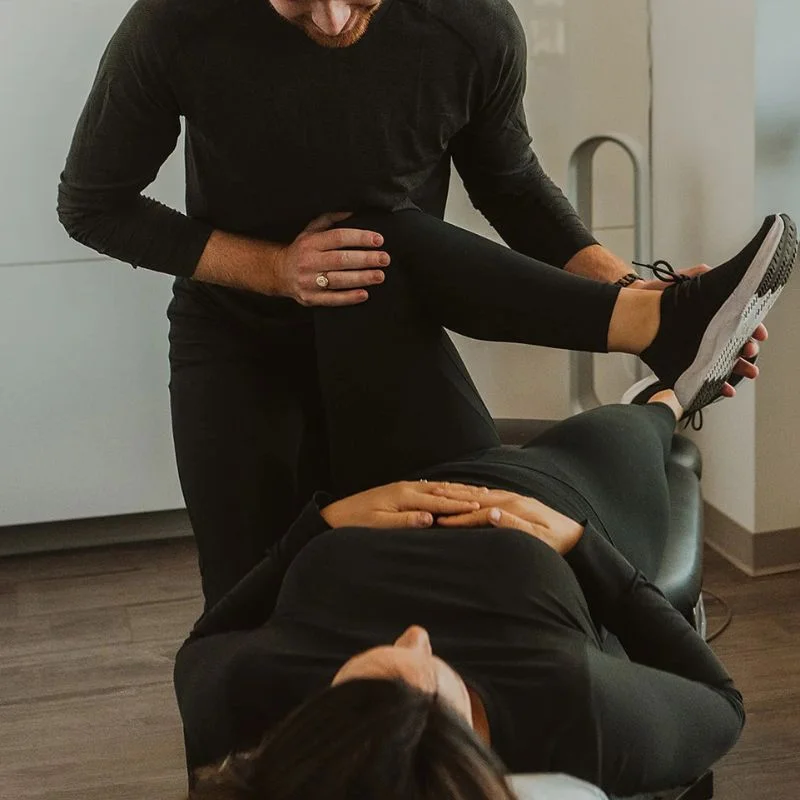
Arthritis in your hips, knees, or spine doesn’t mean you’re done being active. It means you need to be smart about how you move and what you do. Exercise helps arthritis – that might seem backwards, but it’s true.
When joints hurt, people stop moving them. The muscles around those joints get weak. The joint gets stiffer. Pain increases. It’s a cycle that makes things worse.
We break that cycle with exercise-based treatment. Strengthening the muscles around arthritic joints reduces the load on the joint itself. Improving how you move reduces abnormal stress. Building overall fitness helps manage symptoms.
Education matters. Understanding what arthritis actually is (worn cartilage) versus what it isn’t (something that will paralyze you if you move wrong) helps you make better choices. Pain with arthritis doesn’t always mean damage. Sometimes you can move through mild discomfort as your body warms up.
Some people use physio to delay surgery. Others do it after surgery to maximise recovery. Either way, the approach is similar – build strength, improve mobility, stay active in ways that support joint health.
Living in Kelowna with arthritis means you can still hike, bike, ski, and do the things you love. You might need to modify how you do them. You might need to build up gradually. But stopping everything isn’t the answer. Movement is medicine for arthritic joints when done right.
Explore our osteoarthritis management services for healthier, pain-free movement
Why Movement Matters
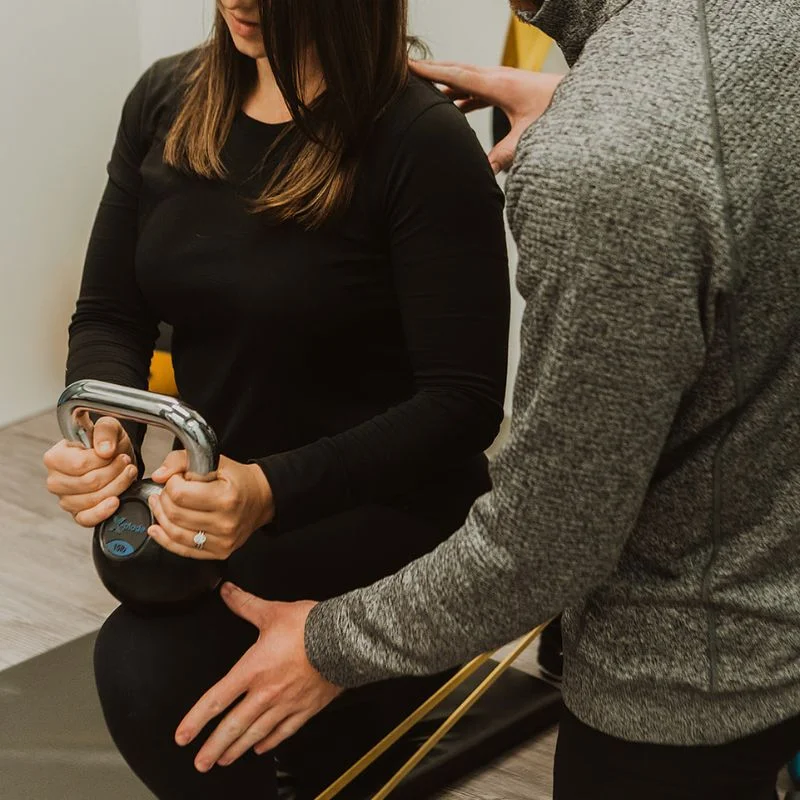
Living in Kelowna means you probably value being active. Hiking the trails around town. Biking along the waterfront. Skiing in winter. Swimming at the beaches in summer. When pain stops you from doing these things, life feels smaller.
That’s why we focus so much on getting you moving properly again. Not just pain-free, but actually moving well. There’s a difference between forcing through pain and moving in a way that lets your body heal.
We see people who’ve been told to rest for months. They stop doing everything. Their bodies get weaker. The pain doesn’t improve because nothing has actually changed. Rest has its place, but movement is medicine when done right.
What Makes Our Approach Different
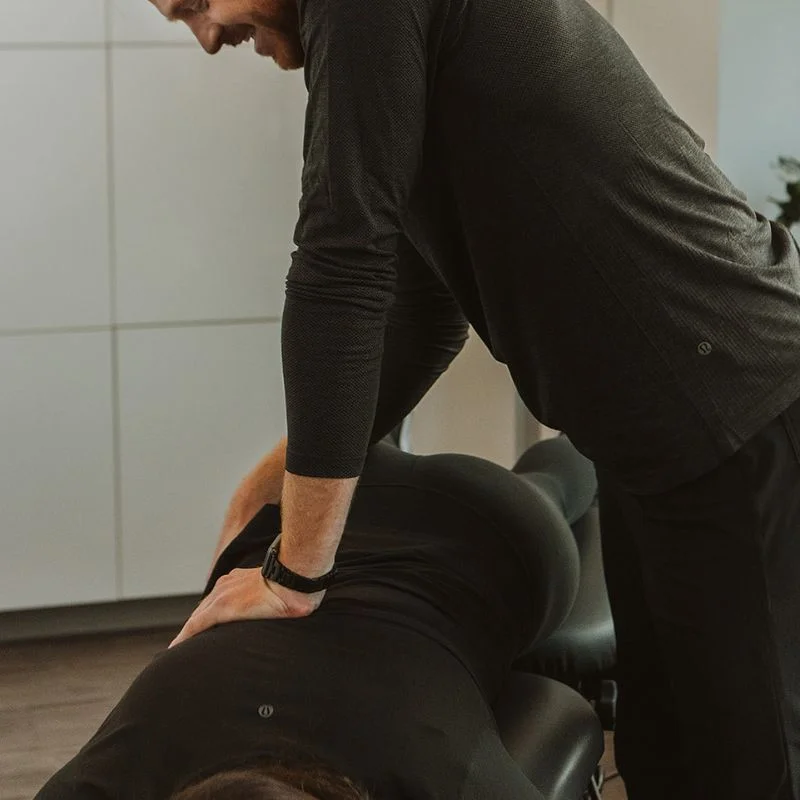
At Pro Motion Clinic, we don’t rush you through appointments. You get time to ask questions. Time for us to really look at what’s going on. Time to learn what you need to know about your body.
We have the tools that make a difference – like dry needling and shockwave therapy – but we also know when to use them and when other approaches work better. Every body is different. Every injury has its own story.
Located at 3030 Pandosy Street, we’re easy to reach from anywhere in Kelowna. People come from Glenmore, Lower/Upper Mission, Lakeshore, West Kelowna, Downtown, Glenmore, McKinley, Lake Country, West Kelowna, and all over the valley. Parking is simple. The clinic has a straightforward vibe – no pretense, just good care.
Our team includes multiple practitioners with different specialties. Sometimes you need physio. Sometimes chiropractic care makes more sense. Sometimes you need both. We work together to figure out what you actually need, not what makes the most money.
What to Expect at Your First Visit
Show up in clothes you can move in – think gym clothes. We need to see how your body moves, which is hard to do in jeans.
Bring a list of what you’ve already tried. Tell us what worked and what didn’t. This saves time and helps us avoid repeating things that failed.
Be honest about your goals. Want to run a marathon? We need to know. Just want to play with your grandkids without pain? That’s different training. Your goals shape your treatment.
Ask questions. If something doesn’t make sense, say so. You should understand what we’re doing and why. Your body, your care, your questions matter.
The Hard Truth About Healing
We can’t fix everything in one session. Anyone who promises that isn’t being straight with you. Bodies take time to change. Patterns take time to break. Healing is a process, not an event.
What we can do is give you a clear plan. Show you what’s wrong. Teach you what to do about it. Guide you through the process. Check in on your progress. Adjust when things aren’t working.
Some people heal fast. Others need more time. Variables include how long you’ve had the problem, how severe it is, what you do for work, your activity level, and how well you follow through with home exercises. We can influence all of these except how long you’ve had the problem.
The people who get the best results? They show up consistently. They do their exercises. They communicate when something isn’t working. They trust the process but also ask questions. They’re active participants in their own care.
Getting Started
You don’t need a doctor’s referral to see a Physiotherapist in British Columbia. You can call us directly and book. Many insurance plans cover Physiotherapy. Check your benefits before your first visit so you know what to expect.
If you’re dealing with ICBC after a car accident, we handle those claims regularly. The paperwork can be confusing, but we’ve done it hundreds of times and can walk you through it.
For people who prefer to book online, our website at promotionclinic.com has an online booking system. Pick a time that works for you and you’re set. Easy.
Questions about whether physio can help your specific issue? Call us at (236) 420-0660. We’ll talk through what’s going on and let you know if we think we can help. If we’re not the right fit, we’ll tell you that too and point you in a better direction.
Your Body Deserves Attention
You take care of your car. You maintain your home. Your body deserves the same attention. Probably more, since you can’t trade it in for a new model.
That nagging pain you’ve been ignoring? It’s not going away on its own. Bodies don’t work like that. Small problems become big problems when you wait too long.
But here’s the good news: most movement problems can improve with the right help. You just need someone who knows what they’re looking at and has the skills to address it. That’s what we do every day at Pro Motion Clinic.
Being stuck on the couch when you’d rather be hiking Knox Mountain isn’t living. Avoiding activities because you’re afraid of making things worse isn’t the answer. Getting the right help so you can move freely again – that’s what you deserve.
Whether you need treatment for an acute injury, management for chronic pain, or help preparing for surgery or recovering after, we’re here. Serving Kelowna from our location in the South Pandosy neighborhood, right in the middle of where life happens.
Your move matters. Let’s make it happen.
Explore physiotherapist services at our Kelowna clinic
Chronic Pain Rehab
Managing chronic pain?
Learn more →Concussion Therapy
Safe and effective concussion therapy in Kelowna for faster recovery and symptom management.
Learn more →Dry Needling
Relieve muscle tightness and chronic pain with dry needling in Kelowna at Pro Motion Clinic.
Learn more →Instrument-Assisted Soft Tissue Mobilization
Instrument Assisted Soft Tissue Mobilization (IASTM) in Kelowna for faster recovery and improved mobility.
Learn more →Osteoarthritis Management
Physiotherapy for osteoarthritis in Kelowna focused on mobility and pain relief.
Learn more →Pre/Post-Surgical Rehab
Recover safely with expert pre and post-surgical rehabilitation in Kelowna.
Learn more →Shockwave Therapy
Physiotherapy shockwave therapy in Kelowna for chronic tendon pain, Achilles injuries & persistent soft tissue problems.
Learn more →Taping
Professional kinesiology taping in Kelowna to support recovery and improve movement.
Learn more →Therapeutic Ultrasound
Physiotherapy therapeutic ultrasound in Kelowna for soft tissue injuries, sprains & post-surgical recovery.
Learn more →TMJ Disorder Jaw Pain Treatment
Physiotherapy TMJ treatment in Kelowna for jaw pain, locking & muscle tension.
Learn more →Vestibular Therapy
Physiotherapy vestibular therapy in Kelowna for BPPV, concussion dizziness & balance disorders.
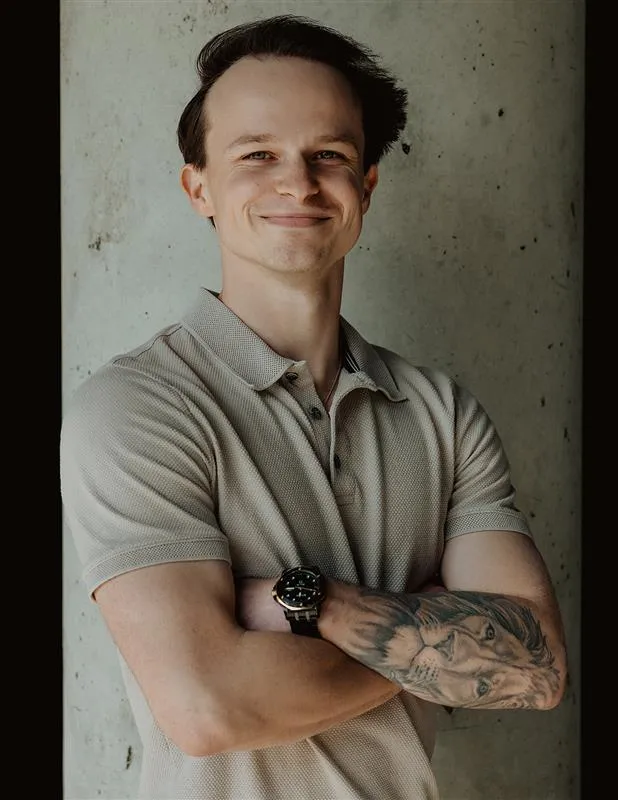
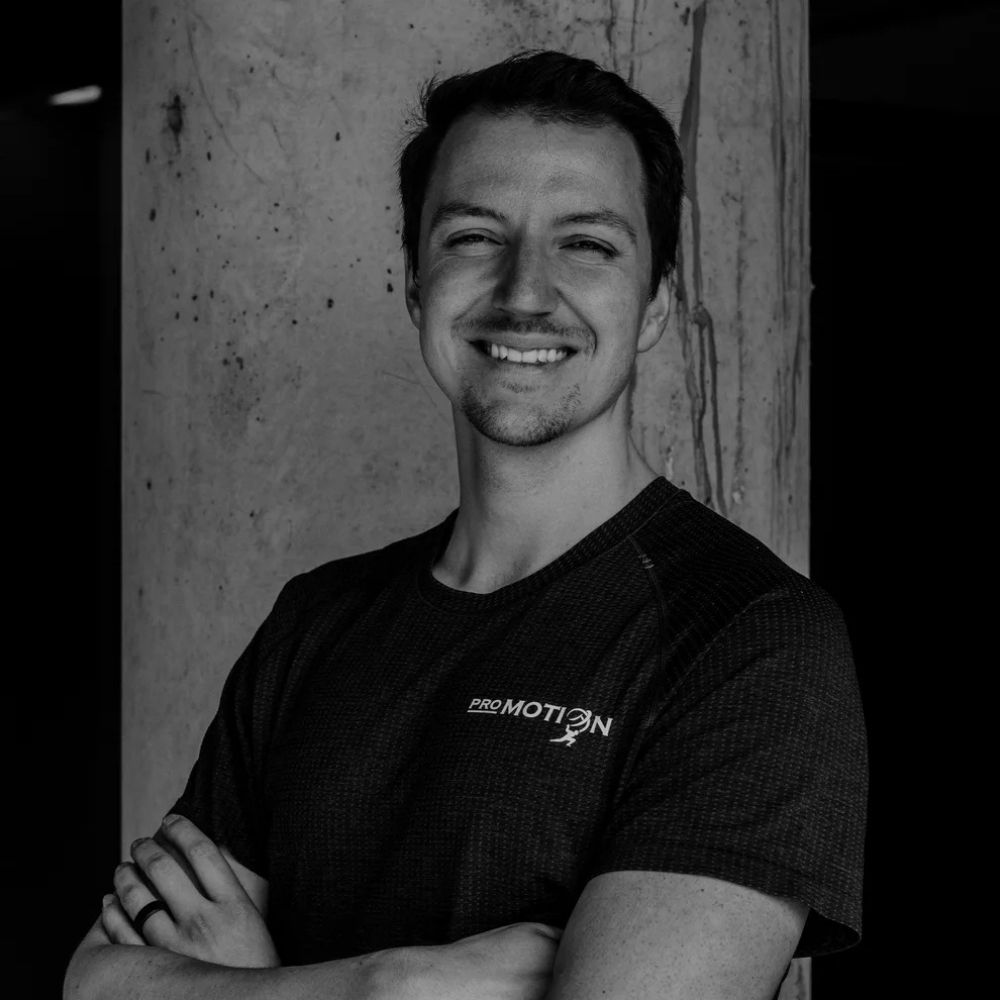
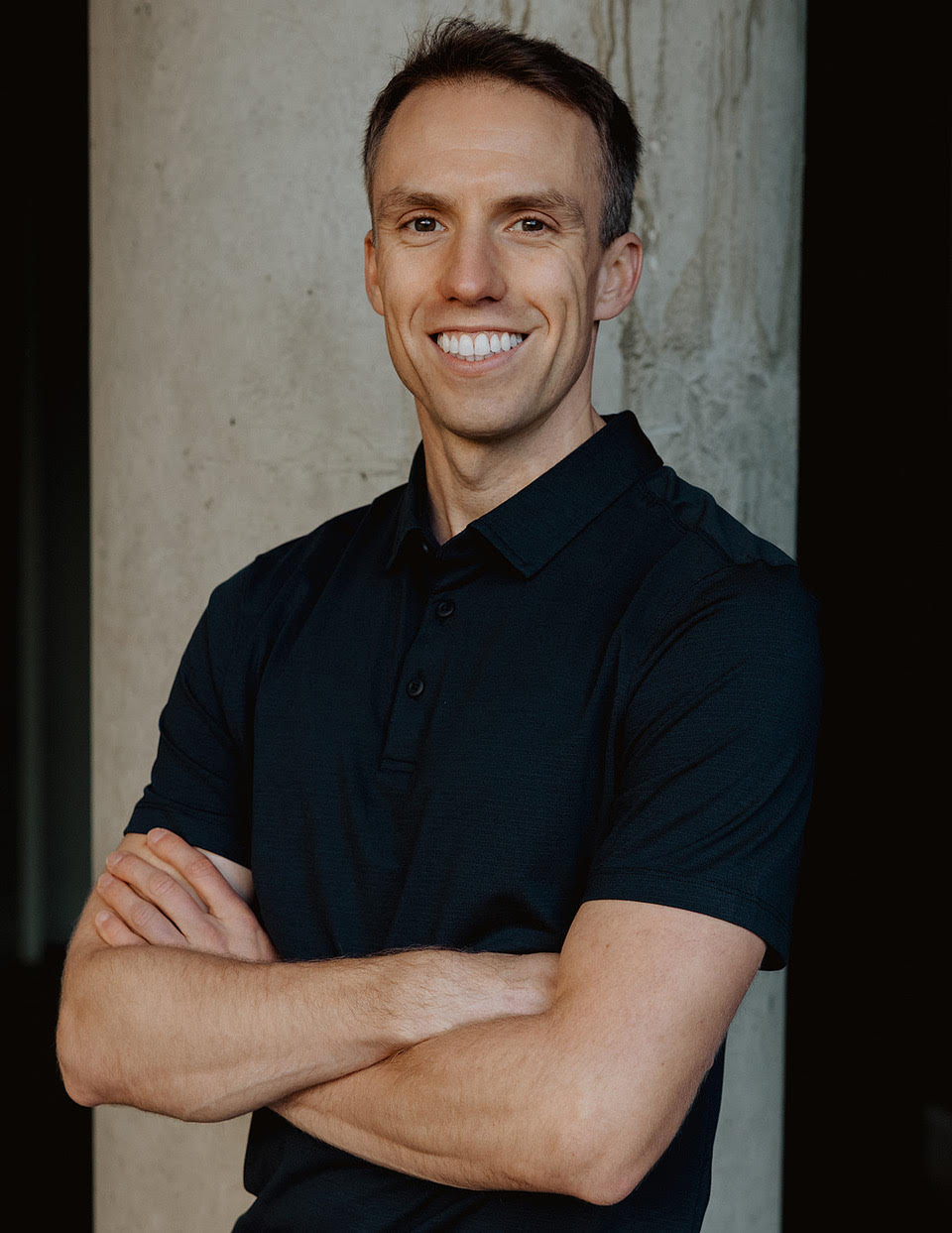
Learn more →Meet your Kelowna care team
Real results, real people
Ready to move better in Kelowna?
Book online or call our team — direct billing is available for most extended health plans.