Chronic Pain Rehab Kelowna
Managing chronic pain? Our Kelowna physiotherapy team offers customized rehabilitation programs. Contact Pro Motion Clinic at (236) 420-0660.
Living with pain that won’t go away changes everything. The morning stiffness that takes an hour to shake off. The afternoon slump where your back screams at you. The evening where you’re too tired to enjoy time with people you care about. You’ve probably tried a bunch of things already – pills that barely touch it, heat packs that help for ten minutes, stretches that don’t seem to make a difference.
Here’s what most people don’t know about chronic pain: your body isn’t broken. Your nerves are just really good at their job – maybe too good. They’ve learned to send danger signals even when there’s no real threat anymore. Think of it like a car alarm that goes off when a leaf falls on the hood. The alarm works fine. It’s just responding to the wrong thing.
That’s where chronic pain rehab comes in. At Pro Motion Clinic in Kelowna’s Pandosy area, the approach isn’t about finding a magic fix or pushing through the pain. It’s about retraining how your body and brain talk to each other.
What Actually Happens in Chronic Pain Rehab
Chronic pain rehab isn’t like regular treatment for a fresh injury. When you twist your ankle, you rest it and it heals. Chronic pain is different. The original problem might be long gone, but your nervous system keeps sounding the alarm.
The goal of rehab is to turn down that alarm system. Not by ignoring it or toughing it out, but by showing your brain and body that movement is safe again.
This means looking at the whole picture. How you sleep. How you move during the day. What thoughts pop up when the pain hits. How stress affects your symptoms. All of it matters.
At Pro Motion Clinic (#202-3030 Pandosy Street, 236-420-0660), the team uses a four-part approach. Education comes first because understanding pain changes how you experience it. Then comes movement and exercise – starting small and building slowly. Manual therapy helps when muscles are tight or joints aren’t moving well. And specialised treatments can give you an extra boost when you need it.
Why Your Pain Sticks Around

When pain lasts more than three months, something shifts. Your nervous system becomes more sensitive. Muscles that were protecting an injury start to feel stiff all the time. You move differently to avoid pain, which creates new problems.
Picture someone who hurt their lower back months ago. The original injury healed. But they’re still walking hunched over, avoiding bending, tensing up every time they reach for something. Their back muscles are working overtime. Their hips get tight from moving differently. Their upper back aches from the hunched posture. The pain spreads.
This isn’t weakness or lack of willpower. It’s how bodies respond to ongoing pain signals. Your brain is trying to protect you. It just needs some new information.
Movement That Doesn’t Make Things Worse
Most people with chronic pain are scared to move. And for good reason – past experiences taught them that movement equals pain. But here’s the tricky part: not moving makes things worse over time.
The answer isn’t to push through pain or go hard at the gym. It’s about finding your starting point and moving forward from there. Maybe that’s five minutes of walking. Maybe it’s gentle movements in a chair. There’s no shame in starting small.
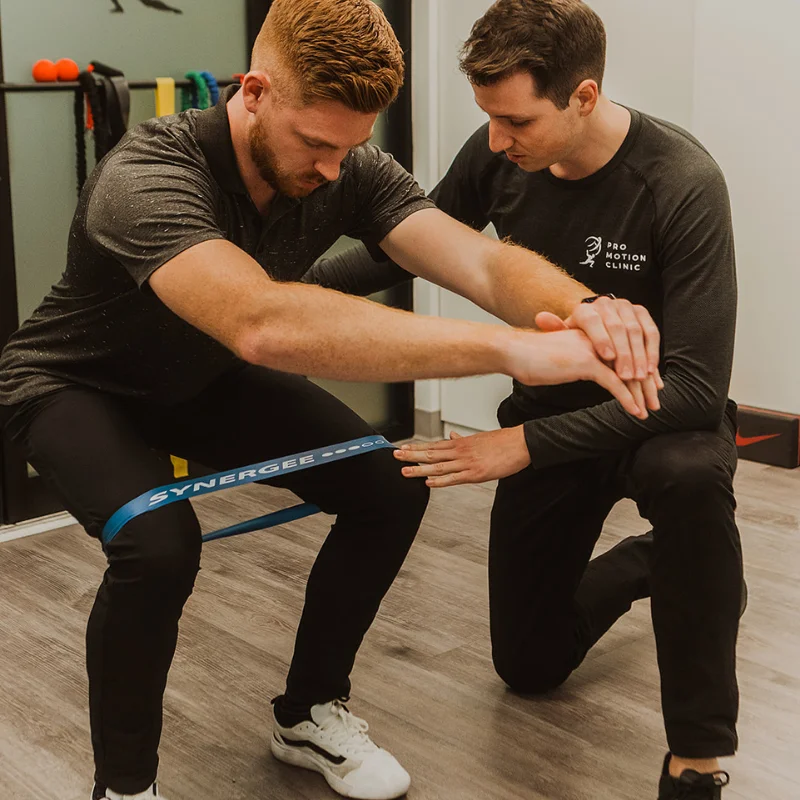
A Physiotherapist in Kelowna can help you figure out which movements are safe and which ones need modification. They watch how you move, find the patterns that might be contributing to pain, and create a plan that fits your current abilities.
Some days will feel easier than others. That’s normal. The goal isn’t perfection – it’s progress over weeks and months, not days.
Your Brain’s Role in Pain
Here’s something that surprises people: pain is made by your brain, not your tissues. That doesn’t mean it’s in your head or that you’re imagining it. The pain is real. But your brain decides how much pain to create based on all the information it receives.
When you’re stressed, tired, or worried about an injury, your brain might amplify pain signals. When you’re distracted, relaxed, or confident in your movement, those same signals might feel less intense.
This is why pain education matters. Learning how pain works can actually reduce pain. Studies show that people who understand their pain experience less of it and feel more in control.
Pain neuroscience education is a big part of chronic pain rehab. It’s not about being positive or tough. It’s about understanding what’s actually happening in your body. Once you know that sore muscles don’t mean damage, or that flare-ups are normal and temporary, movement becomes less scary.
Building Strength Without Building Fear

Chronic pain often comes with muscle weakness. Not because the muscles are damaged, but because you’ve been moving less or protecting certain areas.
Strengthening exercises help rebuild confidence as much as they rebuild strength. When your core is strong, your back doesn’t have to work as hard. When your hips are stable, your knees stop complaining. When your shoulders move well, your neck relaxes.
The key is pacing. People with chronic pain often swing between doing too much (when they feel okay) and doing nothing (when pain flares up). This boom-and-bust cycle keeps pain going.
Better pacing means doing a consistent amount each day, even when you feel good. It means stopping before pain gets bad, not after. It takes patience. But over time, you’ll notice you can do more without paying for it later.
Manual Therapy for Chronic Pain
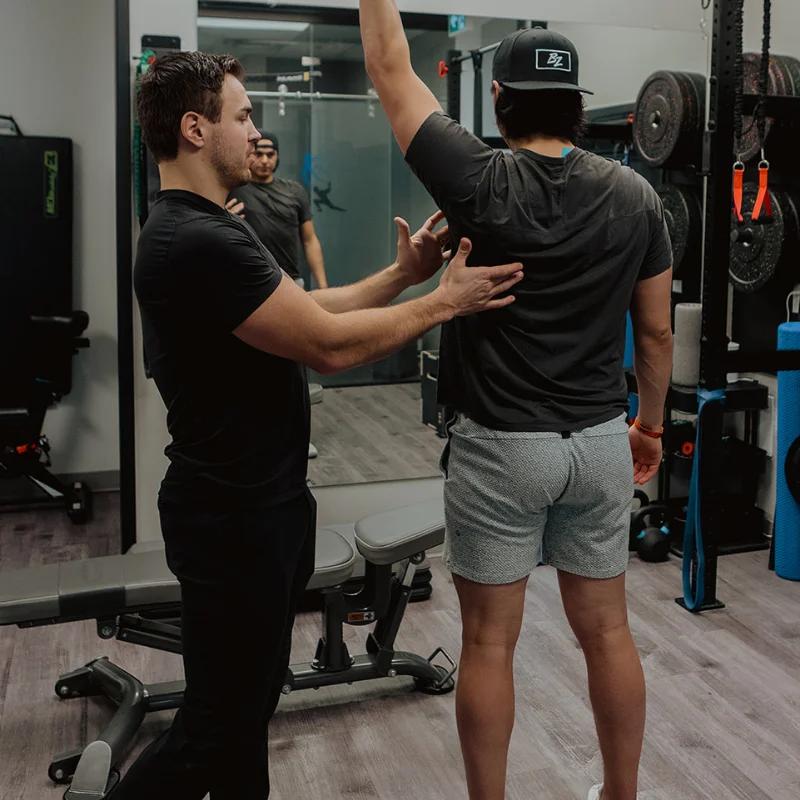
Hands-on treatment can help with chronic pain, but it works differently than you might think. A Physiotherapist isn’t “fixing” damaged tissues. They’re helping your nervous system calm down and giving tight muscles permission to relax.
When someone’s been in pain for months, their muscles develop protective tension. Manual therapy – whether it’s joint mobilization, soft tissue work, or other techniques – can reduce that tension and improve how you move.
It feels good, which matters. Pain relief, even temporary, gives you a window to practice better movement patterns. It can help you sleep better or get through a tough day. And it’s part of the bigger picture, not a standalone solution.
Dealing With Flare-Ups
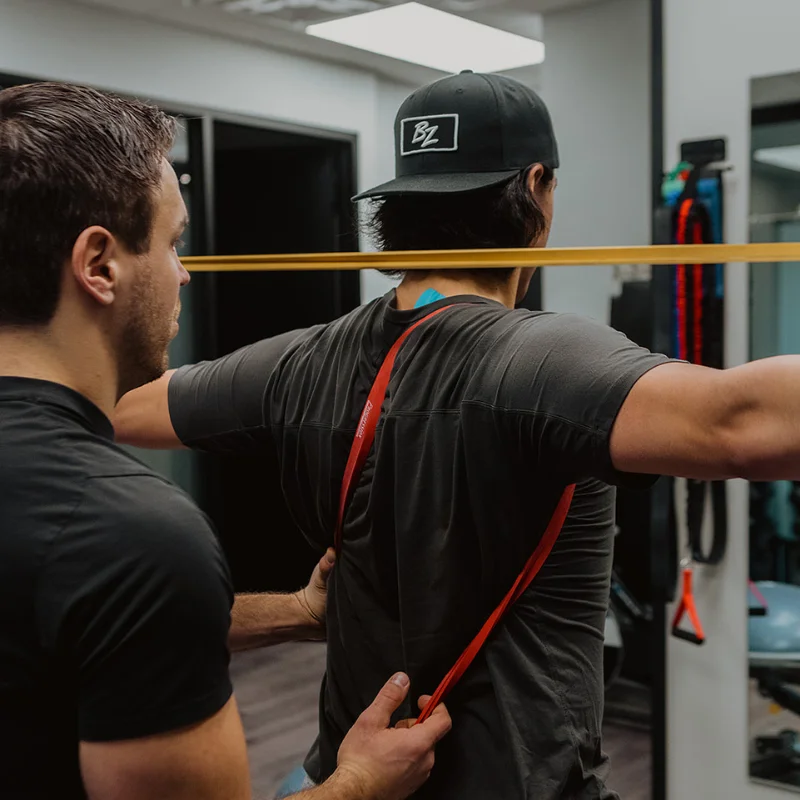
Even with good rehab, pain flare-ups happen. You might do too much one day. Sleep poorly. Deal with extra stress at work. Sometimes there’s no clear reason – they just happen.
Flare-ups don’t mean you’re back to square one. They’re a normal part of chronic pain. The difference is how you respond to them.
Instead of panicking or giving up on your activities, you can have a plan. Maybe that means doing a shorter version of your exercises. Using heat or ice. Taking a walk instead of sitting frozen on the couch. Doing breathing exercises to calm your nervous system.
Over time, flare-ups usually become less frequent and less intense. You also get better at managing them, which makes them less scary.
ICBC and Chronic Pain Treatment
If your chronic pain started with a car accident, ICBC claims are accepted at Pro Motion Clinic. The clinic can help with the paperwork and work directly with ICBC to coordinate your care.
Many people develop chronic pain after motor vehicle accidents. Whiplash, back injuries, and concussions can all lead to ongoing symptoms. Getting proper rehab early can help prevent acute pain from becoming chronic.
What Makes Kelowna Different
Kelowna’s active lifestyle is one of the best things about living here. Skiing at Big White in winter. Hiking Knox Mountain or the trails around Mission Creek. Biking along the waterfront to City Park. Swimming at Gyro Beach in summer.
Chronic pain can take all of that away. You watch other people out enjoying themselves while you’re stuck at home or work, dealing with pain that never quite goes away.
Chronic pain rehab is about getting back to the life you want. Not someday when you’re “fixed,” but gradually, step by step. Maybe you start with a short walk through Pandosy Village. Then longer walks. Then easy hikes. Then the activities you really miss.
The goal isn’t to never feel pain. It’s to not let pain run your life.
Working With Your Lifestyle
Effective chronic pain rehab fits into your actual life, not some ideal version where you have unlimited time and energy.
The team at Pro Motion Clinic works with your schedule, your goals, and your reality. If you work construction, the focus might be on getting through your workday without pain ruining your evening. If you’re a parent, it might be about playing with your kids without paying for it later. If you love golf or tennis, it’s about getting back on the course or court.
Treatment plans can include things you do at home, strategies for managing pain at work, and modifications for activities you care about. It’s not one-size-fits-all.
The Role of Education in Your Recovery

One of the most powerful parts of chronic pain rehab is learning about your pain. When you understand that:
- Pain doesn’t always mean damage
- Flare-ups are normal and don’t erase your progress
- Your nervous system can learn to calm down
- Movement is medicine, not danger
- You have more control than you think
Everything changes. You’re less scared. More willing to try things. Better at managing setbacks.
Education happens throughout treatment, not just at the beginning. As you progress, new questions come up. Your Physiotherapist is there to answer them and help you make sense of what’s happening in your body.
Starting Your Chronic Pain Rehab Journey
The hardest part of chronic pain rehab is often just starting. Maybe you’ve tried so many things that didn’t work. Maybe you’re exhausted from dealing with pain day after day. Maybe you’re not sure if anything can really help.
Here’s what you can expect when you start chronic pain rehab at Pro Motion Clinic:
First, you’ll talk about your pain history. What started it, what makes it better or worse, what you’ve tried, what you’re hoping to achieve. Then there’s a physical assessment to see how you move and where the problems might be.
From there, you’ll work together on a treatment plan. It might include hands-on treatment, exercise you do during sessions, things to practice at home, and education about pain. The plan changes as you progress.
Some people see improvement quickly. Others need more time. Either way is okay. Chronic pain didn’t develop overnight, and it won’t disappear overnight either.
Why Choose Pro Motion Clinic for Chronic Pain Rehab in Kelowna
Pro Motion Clinic understands that chronic pain affects your whole life, not just the body part that hurts. The approach combines the latest research on pain science with practical strategies that work in real life.
The clinic is located in the Pandosy area at #202-3030 Pandosy Street, with convenient hours Monday through Saturday. You can reach them at 236-420-0660 to book an appointment or ask questions about chronic pain rehab.
Whether you’re dealing with chronic back pain, neck pain, headaches, or pain that’s spread to multiple areas, the goal is the same: help you move better, feel better, and get back to living your life.
Chronic pain rehab won’t take your pain from a 10 to a 0 overnight. But it may help you get to a place where pain is just one small part of your day instead of the thing that defines it. Where you can plan activities without worrying about whether you’ll be able to do them. Where you have tools to manage flare-ups instead of feeling helpless when they happen.
That’s what chronic pain rehab in Kelowna is really about – not eliminating pain completely, but giving you your life back.
For many chronic pain patients, chiropractic adjustment in Kelowna is integrated into the rehab plan to restore spinal mobility and reduce nervous system stress alongside other therapies.
Real results, real people
Ready to move better in Kelowna?
Book online or call our team — direct billing is available for most extended health plans.