Physiotherapy Vestibular Therapy Kelowna
Physiotherapy vestibular therapy in Kelowna for BPPV, concussion dizziness & balance disorders — gaze stabilisation & balance retraining.
When the room starts spinning and you can’t tell which way is up, everything changes. Walking down Pandosy Street feels like you’re on a boat. Turning your head at the grocery store makes the aisles tilt. Getting out of bed becomes a calculated decision.
This isn’t being dramatic. This is what happens when your inner ear stops doing its job right.
What Vestibular Therapy Actually Does
Your inner ear has tiny parts that help you balance. When something goes wrong with these parts, your brain gets confused messages. One part says you’re moving. Another says you’re still. Your eyes say something different. The result? You feel dizzy, unsteady, or like everything around you is moving when it’s not.
Vestibular therapy is physical therapy that retrains your brain and inner ear to work together again. It uses specific movements and exercises to help your body figure out balance.
Think about learning to ride a bike. At first, staying upright feels impossible. But your brain learns to make tiny adjustments without you thinking about it. Vestibular therapy works the same way. It teaches your brain new ways to maintain balance when the old ways aren’t working.
Signs You Might Need This Type of Treatment
Maybe you wake up and the ceiling is spinning. Or you turn over in bed and suddenly feel like you’re on a rollercoaster. Maybe you’re walking through City Park and you feel unsteady even though the path is flat.
Some people feel dizzy when they look up at Knox Mountain. Others get symptoms in busy places like Orchard Park Shopping Centre, where there’s lots of visual movement. Some feel fine until they turn their head quickly.
These symptoms can come from different problems. BPPV happens when tiny crystals in your inner ear move to the wrong spot. Vestibular neuritis occurs when the nerve connecting your inner ear to your brain gets inflamed. Labyrinthitis affects the inner ear structures themselves. Concussions can mess with your balance system too.
The symptoms affect everyone differently. You might feel like you’re spinning. Or like the room is moving. Some people describe it as feeling drunk or like they’re walking on a trampoline. Others say they feel disconnected from their body or like they’re floating.
How Treatment Works at Our Kelowna Clinic
Your first appointment starts with questions. When do you feel dizzy? What makes it better or worse? Can you drive? Walk safely? Do stairs bother you?
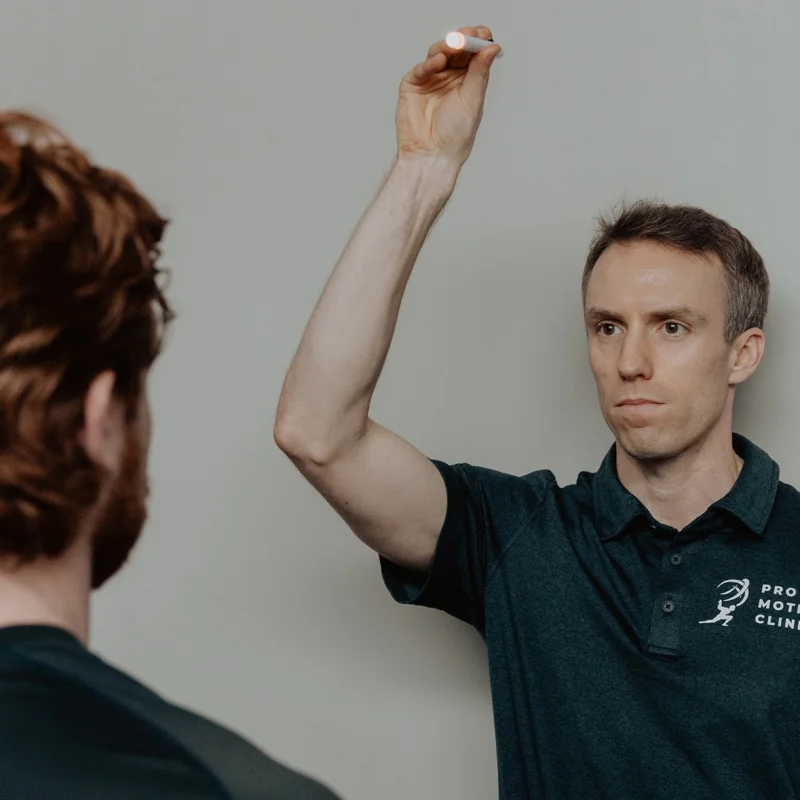
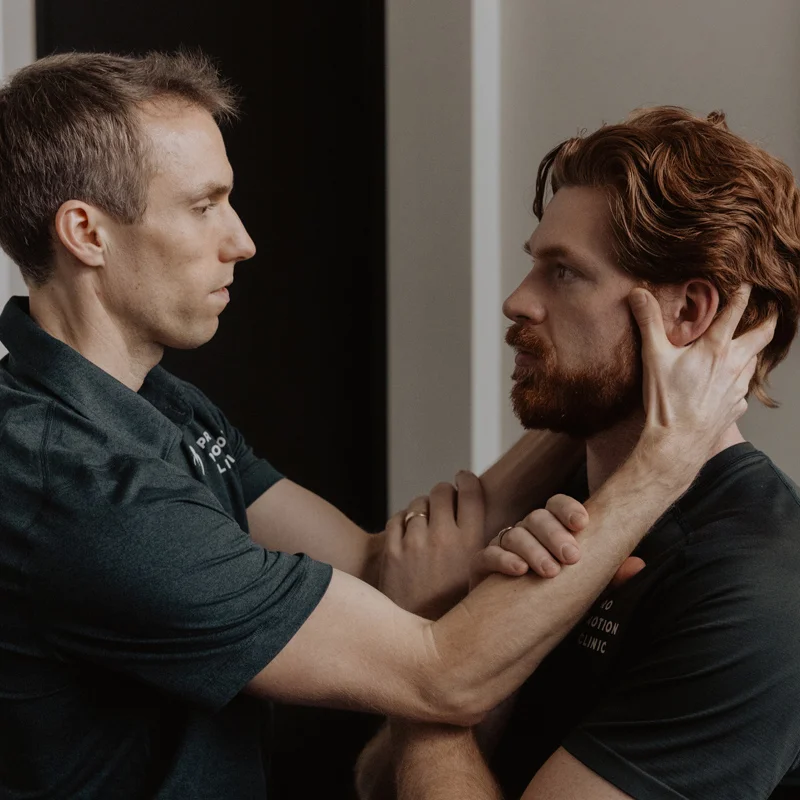
Then comes testing. Your Physiotherapist in Kelowna watches how your eyes move when you turn your head. They check your balance in different positions. They might ask you to walk heel-to-toe or stand on one foot. Sometimes they’ll move your head in specific ways to see if it triggers symptoms.
These tests help figure out what’s going on. BPPV causes specific eye movements that your Physiotherapist can see. Other conditions show up differently.
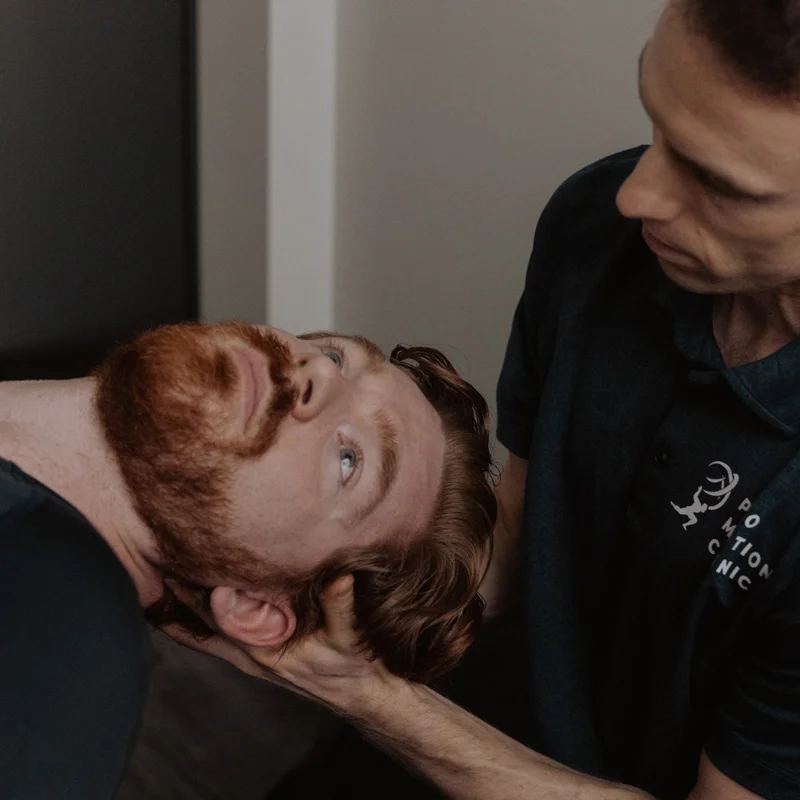
Once they know what’s causing your symptoms, treatment can start. For BPPV, this might mean a repositioning maneuver. Your Physiotherapist moves your head through specific positions to guide those misplaced crystals back where they belong. It sounds simple, but it works. Many people feel better after just one or two treatments.
For other balance problems, you’ll learn exercises. Some involve moving your head while keeping your eyes on a target. This helps your brain learn to stabilize your vision when you move. Other exercises challenge your balance by reducing your support base or changing what you’re standing on.
The exercises might make you feel a bit dizzy at first. That’s actually the point. Your brain needs to experience the dizziness in a safe, controlled way so it can learn to handle it. It’s like exposure therapy for your balance system.
What to Expect During Your Recovery
Most people come in once a week for a few weeks. Some need just a couple of visits. Others need treatment over several months. It depends on what’s causing your symptoms and how your body responds.
You’ll also do exercises at home. Usually two or three times a day. This isn’t optional. The home exercises are where most of the improvement happens. Your brain needs regular practice to relearn balance.
Some days will feel better than others. That’s normal. You might have a great morning and then feel dizzy again in the afternoon. Progress isn’t always a straight line upward.
The goal isn’t just to reduce dizziness. It’s to help you do the things you want to do. Maybe that’s hiking Knox Mountain Park without feeling unsteady. Or driving to Big White without worrying about getting dizzy. Or shopping at the Kelowna Farmers Market without feeling overwhelmed.
The Science Behind Balance
Your body uses three systems to keep you balanced. Your inner ear tells your brain about head position and movement. Your eyes give visual information about where you are in space. Your joints and muscles send signals about what your body is doing.
When all three systems agree, balance is easy. You don’t even think about it. But when your inner ear is giving wrong information, everything gets confusing.
Vestibular therapy works by helping your brain use vision and body awareness to make up for faulty inner ear signals. It’s called compensation. Your brain learns to rely more on what your eyes and muscles are telling it.
This takes time. Your brain has used these three systems together your whole life. Changing how they work together doesn’t happen overnight. But the brain is good at adapting when you give it the right training.
Common Conditions We Treat
Bppv
is the most common cause of vertigo. Those tiny crystals in your inner ear get loose and float into the wrong canal. When you move your head, they shift around and send false signals to your brain. The room spins for 30 seconds to a minute. It’s scary, but it’s also very treatable.
Vestibular neuritis and labyrinthitis
cause longer-lasting dizziness. You might feel dizzy for days or weeks. The good news is that vestibular therapy can help your brain compensate faster than it would on its own.
Post-concussion dizziness
affects many people after a head injury. Even after other concussion symptoms improve, balance problems can stick around. Specific exercises can help retrain the systems that got disrupted.
Vestibular migraines
cause dizziness along with or instead of headache. The dizziness can last hours or days. While therapy won’t stop the migraines, it can help you manage symptoms better between episodes.
Age-related balance changes
happen as the inner ear gradually loses function over time. Therapy can help you maintain independence and reduce fall risk.
Why Choose Pro Motion Clinic for Vestibular Therapy in Kelowna
Our Physiotherapists have specialised training in vestibular disorders. We use evidence-based assessment tools to figure out exactly what’s causing your symptoms. We don’t just treat symptoms – we find the root cause.
We’re located at #202-3030 Pandosy Street in Kelowna, making us easy to access whether you’re coming from downtown, the Mission, or other areas. Our clinic was founded with a focus on working with athletes and active individuals.
The team here understands that dizziness affects your whole life. It’s not just a physical problem. It affects your confidence, your ability to work, your social life. We take time to understand how symptoms impact your daily activities and design treatment around your specific goals.
What Makes Vestibular Therapy Different
This isn’t the same as general balance training. Vestibular therapy targets the specific systems causing your symptoms. The exercises are customized based on your assessment findings.
If you have BPPV, you might only need one or two repositioning maneuvers. If you have vestibular neuritis, you’ll need weeks of gaze stabilization and balance training exercises. If you have chronic dizziness from multiple causes, treatment will address each contributing factor.
Your Physiotherapist adjusts treatment based on how you respond. If an exercise makes you too dizzy, they’ll modify it. If you’re not progressing, they’ll change the approach. Treatment evolves as you improve.
Life After Treatment
Many people see big improvements. The room stops spinning when you roll over in bed. You can look up at the mountains without getting dizzy. Shopping doesn’t make you feel overwhelmed. You trust your body to keep you balanced.
Some people get completely better. Others improve but still have some symptoms. Even partial improvement can make a big difference in quality of life.
The key is consistent treatment and home exercise. People who do their exercises regularly tend to see better results. Those who skip exercises or miss appointments often take longer to improve.
After you finish treatment, you’ll know exercises to do if symptoms return. Some conditions can come back, especially BPPV. But once you know what works, you can often manage flare-ups on your own or with just a visit or two.
Getting Started with Vestibular Therapy
You don’t need a referral to see a Physiotherapist in British Columbia. You can call us directly at (236) 420-0660 to book an assessment. We accept ICBC claims for motor vehicle accident injuries. Some insurance plans require a doctor’s referral for coverage, so check with your provider.
Your first visit takes about an hour. Wear comfortable clothes you can move in. Bring a list of your medications and any test results you have. If you take medication for dizziness, talk to your Physiotherapist about whether to take it before your appointment.
Come with someone if possible, especially if you’ve been having severe dizziness. Some assessment maneuvers can trigger symptoms, and it’s safer to have someone drive you home.
What to Bring to Your First Visit
Write down when your symptoms started and what you were doing. Note what makes symptoms better or worse. Think about how symptoms affect your day. Can you work? Drive? Exercise? Cook? These details help your Physiotherapist understand the impact on your life.
If you’ve had imaging or other tests done, bring those results. If you’ve seen other specialists, bring their reports. The more information your Physiotherapist has, the better they can help.
Moving Forward
Living with dizziness is hard. It affects everything from getting dressed in the morning to going out with friends. But vestibular therapy may help. It gives your brain the tools it needs to compensate for inner ear problems.
The treatment isn’t magic. It takes work. You’ll need to do exercises that might make you feel dizzy at first. You’ll need to be patient as your brain relearns balance. But for most people, the effort pays off.
If you’re tired of planning your life around dizziness, call us at (236) 420-0660. Our team at Pro Motion Clinic in Kelowna can assess your symptoms and create a treatment plan. We’re here to help you get back to hiking, biking, skiing at Big White, or just walking without worry.
Vestibular therapy won’t work for everyone. But it works for many people. And if you’re dealing with dizziness or balance problems, it’s worth finding out if it could help you too.
Real results, real people
Ready to move better in Kelowna?
Book online or call our team — direct billing is available for most extended health plans.