Deep Tissue Massage Kelowna
Deep tissue massage therapy in Kelowna for muscle tension and chronic pain relief. Book your session at Pro Motion Clinic: (236) 420-0660.
You know that feeling when you reach for something on the top shelf and your shoulder says “absolutely not”? Or when you wake up and your neck has decided it only turns one direction now? That’s the kind of thing that brings most people through our doors.
Deep tissue massage isn’t about relaxing spa music and cucumber water. It’s about getting to the root of why your body keeps telling you no when you want to say yes to the things you love doing around Kelowna.
What Deep Tissue Massage Actually Is
Deep tissue massage uses slow, firm pressure to reach the deeper layers of muscle and the connective tissue around it. Your Registered Massage Therapist works through these layers in a specific way. They’re not just pressing hard. They’re working with how your muscles are built.
Think about it like this: your muscles have different layers, kind of like a lasagna. The top layers might feel fine, but the problems are often happening deeper down. That’s where a Registered Massage Therapist focuses during deep tissue work.
The pressure goes deeper than a regular massage. But here’s what matters – it should never be more than you can handle. You stay in control of how much pressure works for you.
Why Your Body Might Need This
Maybe you spend your weekends hiking Knox Mountain. Maybe you’re training for a race. Or maybe you just sit at a desk all day and your body’s starting to complain about it.
When muscles stay tight for a long time, they can develop what we call trigger points. These are spots in the muscle that stay contracted. They can cause pain right where they are, or they can send pain somewhere else entirely. Your shoulder might hurt, but the problem could be coming from your neck.
Deep tissue massage can help with several issues. Research shows it may help reduce chronic pain in areas like the lower back and neck. It might help improve how well you move. Some people find it helps with muscle tension from repetitive activities – like if you’re always hunched over a keyboard or steering wheel.
If you’ve been in a car accident and dealing with ICBC claims, muscle tension often sticks around long after the initial injury. Deep tissue work can be part of helping your body recover. We accept ICBC claims at Pro Motion Clinic, so your treatment can be covered.
How It Actually Works
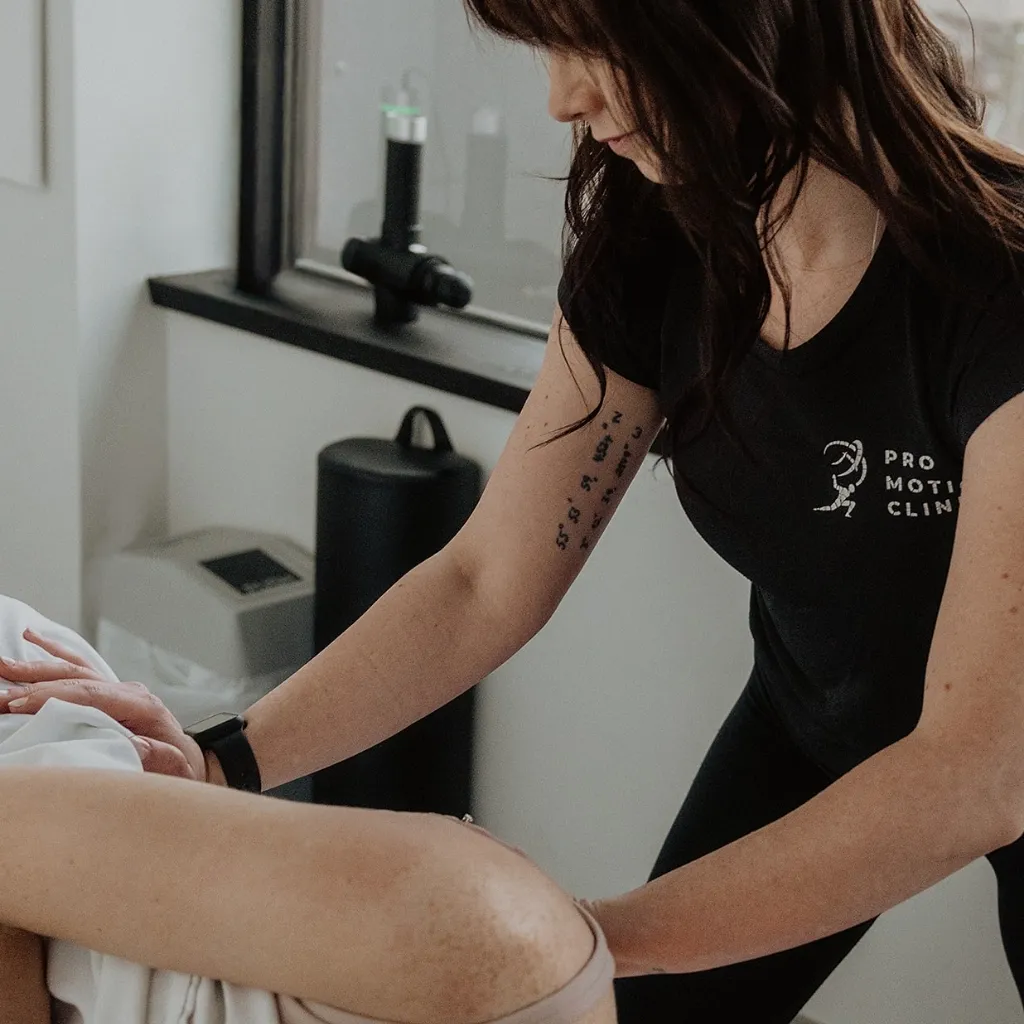
When you come in for deep tissue massage at Pro Motion Clinic, your Registered Massage Therapist starts by talking with you. They need to know what’s going on with your body. Where does it hurt? When did it start? What makes it better or worse?
This isn’t just small talk. Your Registered Massage Therapist is building a picture of what’s happening in your muscles and connective tissue.
Then they’ll check how you move. Can you turn your head all the way? Does it hurt when you lift your arm? This helps them understand what’s tight and what’s not working the way it should.
The actual massage starts with warming up the outer layers of muscle. You can’t just dive straight into deep tissue work. Your Registered Massage Therapist needs to prepare the area first.
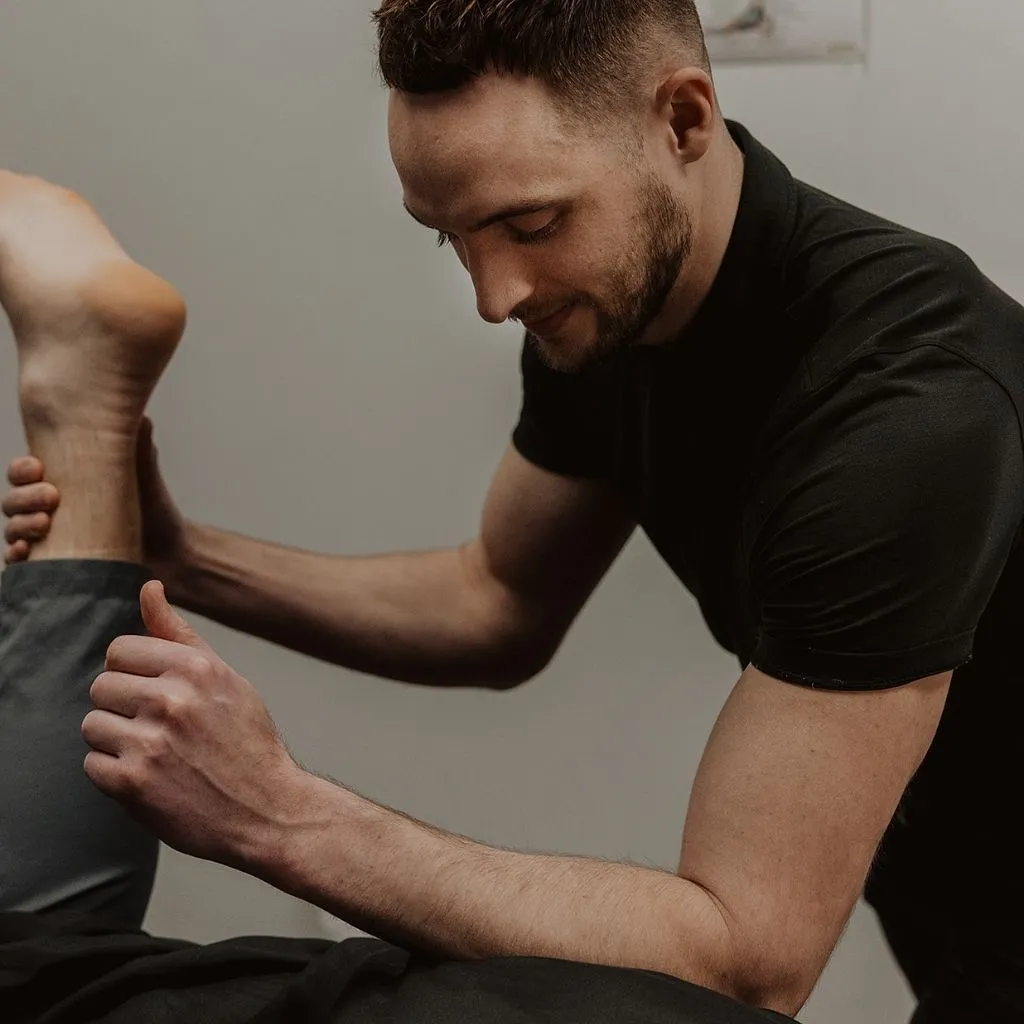
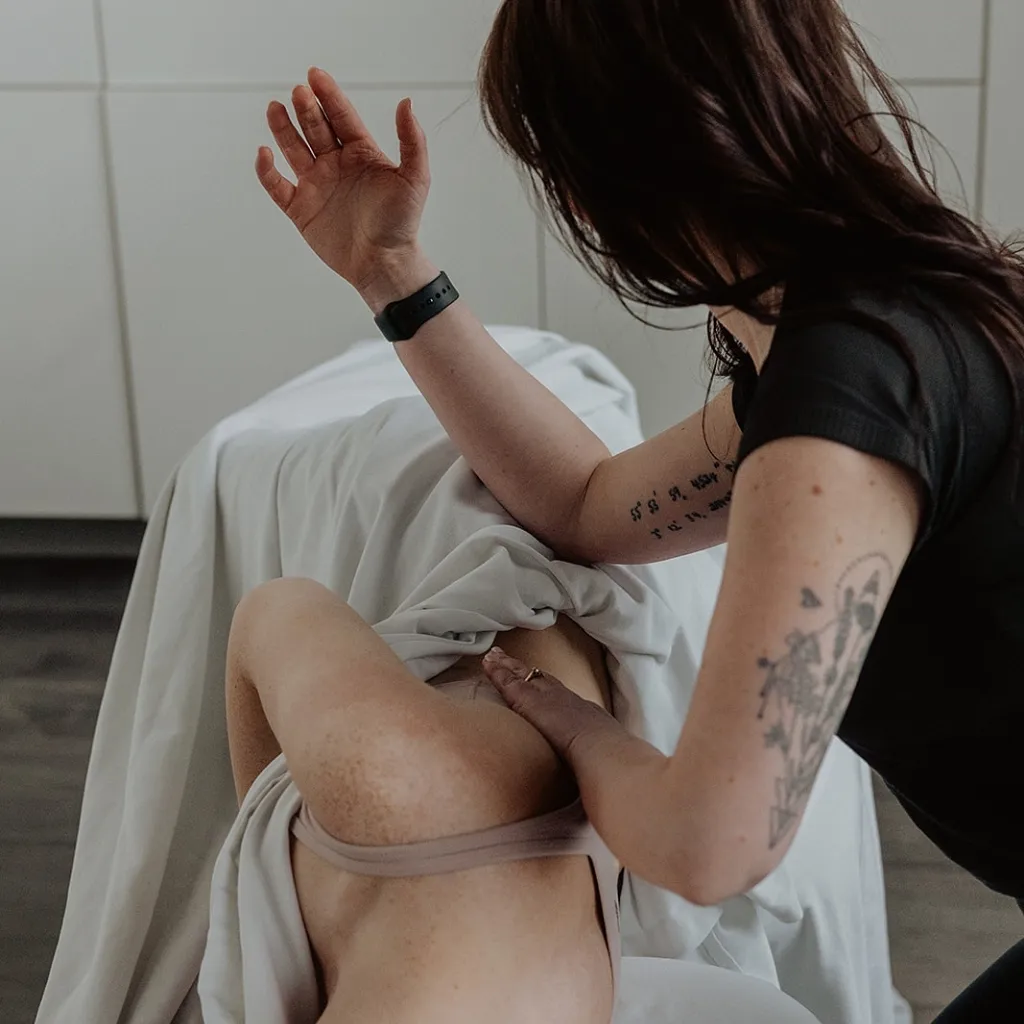
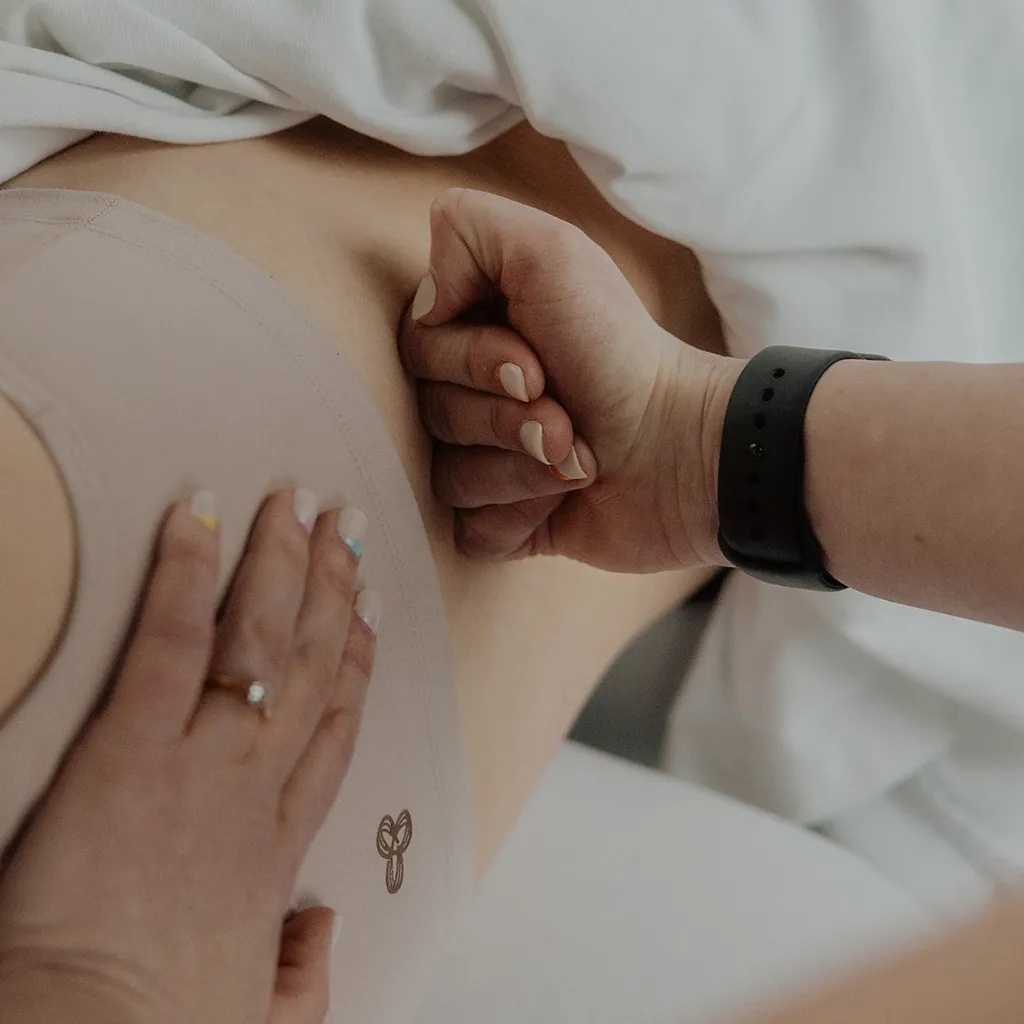
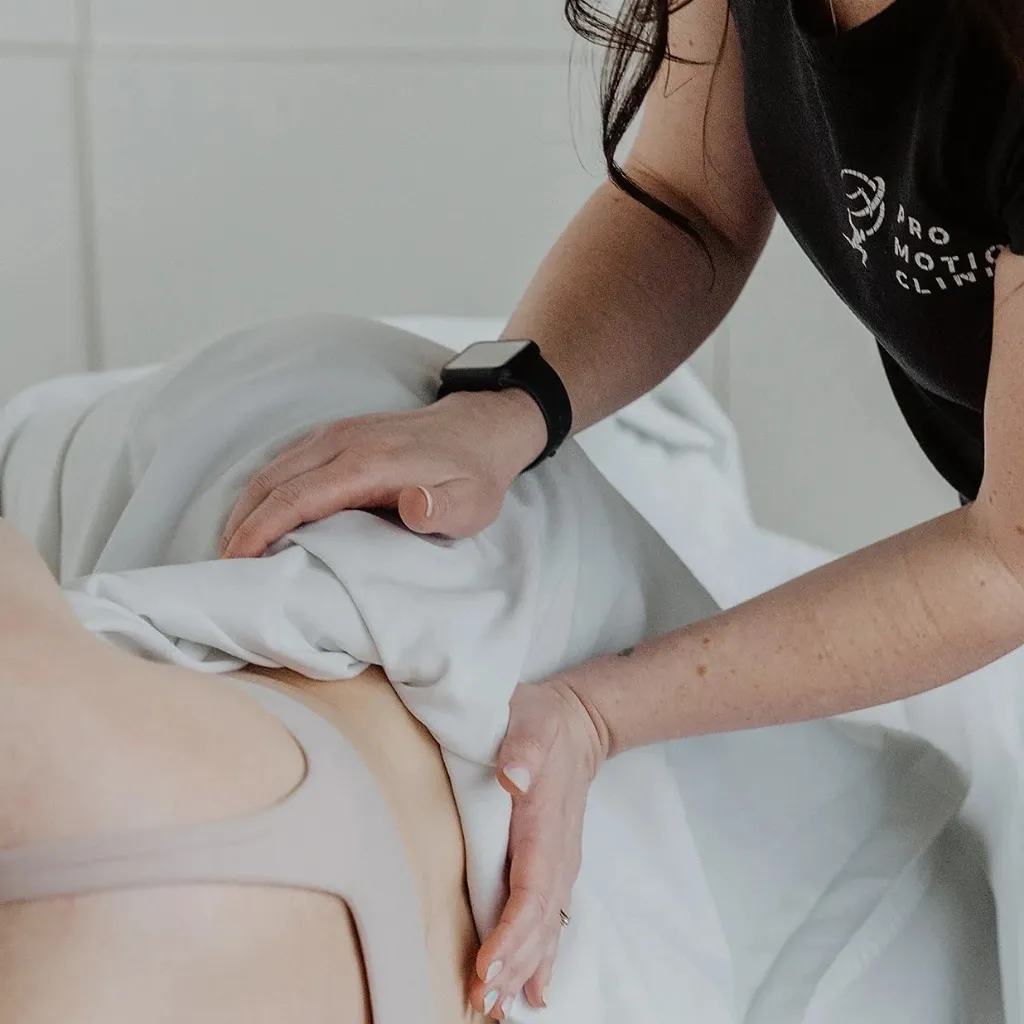
Once the muscles are warm, they use slow strokes and direct pressure. They might use their hands, knuckles, elbows, or forearms. The goal is to release tension in the deeper muscle layers and break up scar tissue that might be limiting how you move.
You might feel some discomfort during the treatment. That’s different from pain that makes you tense up. Your Registered Massage Therapist will check in with you to make sure the pressure is right. Too much pressure can actually make your muscles tense up more, which defeats the purpose.
What Makes It Different From Other Massage
A lot of people think deep tissue massage is just regular massage with more pressure. That’s not quite right.
Regular massage (called Swedish massage) focuses more on relaxation. It uses lighter pressure and flowing movements. Deep tissue massage uses specific techniques to reach deeper structures in your body.
The strokes are slower. The pressure is more focused on specific areas. Your Registered Massage Therapist is targeting particular problems, not just helping you relax (though you might find it relaxing anyway).
Sports massage is closer to deep tissue work, but it’s usually focused on preventing or treating sports injuries. Deep tissue massage works for anyone dealing with chronic muscle tension, not just athletes.
Your Body After Treatment
Right after a deep tissue massage, you might feel a bit sore. Kind of like how you feel the day after a good workout. This usually goes away in a day or two.
You might also feel tired. Your body’s been working hard during the treatment, even though you were lying still. Drinking water after your session can help. Your Registered Massage Therapist will probably remind you about this.
Some people feel relief right away. Others notice the biggest changes a few days after treatment. It depends on what’s going on in your body and how long the problem’s been there.
When It Fits Into Your Life
If you’re training for the Okanagan Marathon or getting ready for ski season at Big White, deep tissue massage can help keep your body ready for what you’re asking it to do. It’s not a magic fix, but it can help address muscle tightness before it becomes a bigger problem.
Maybe you’re dealing with something that’s been bothering you for months. That constant ache in your shoulders. The tight feeling in your lower back when you’ve been on your feet all day. These kinds of ongoing issues often respond well to deep tissue work.
After an injury, whether it’s from sports, a car accident, or just moving wrong at the wrong time, muscles can stay tight and restricted. Deep tissue massage can help as part of your recovery process.
The Team Approach at Pro Motion Clinic
Here’s something you should know about how we work: your Registered Massage Therapist isn’t working alone.
Pro Motion Clinic has Chiropractors, Physiotherapists, Kinesiologists, and other Registered Massage Therapists all under one roof at our Pandosy location. We talk to each other about what we’re seeing with patients.
Sometimes deep tissue massage works best when it’s combined with other treatments. Maybe you need some chiropractic adjustments to help your joints move better. Maybe you need exercises from a Kinesiologist to keep the benefits of your massage work lasting longer.
Your Registered Massage Therapist might suggest working with another member of our team. This isn’t about upselling you. It’s about getting you better results.
We focus on four main parts of treatment: teaching you about what’s happening in your body, giving you exercises to do at home, hands-on treatment like massage, and specialised treatments when you need them. Deep tissue massage fits into the hands-on treatment part, but it works better when the other pieces are there too.
Common Questions People Ask
Will it hurt?
Some people worry that deep tissue massage will be painful. Here’s the thing – there might be some discomfort when your Registered Massage Therapist is working on really tight areas. But you control how much pressure happens. If something doesn’t feel right, you say so.
How often should I come?
That depends on what’s going on. If you’re dealing with chronic tension, you might start with sessions every week or two. Once things improve, you might space them out more. Your Registered Massage Therapist will give you their recommendation based on what they find.
What should I wear?
Your Registered Massage Therapist will leave the room while you get ready for treatment. You undress to your comfort level and get under the sheet on the table. They only uncover the part of your body they’re working on. Most people undress down to their underwear, but you decide what works for you.
Can I exercise after?
Light activity is usually fine. Heavy workouts right after? Probably not the best idea. Your muscles have just been worked pretty hard. Give them a day to recover.
When Deep Tissue Massage Might Not Be Right

There are times when deep tissue massage isn’t the best choice. If you have a blood clot, if you’ve recently had surgery, if you have osteoporosis, or if you’re dealing with certain other health conditions, deep tissue massage might not be safe for you.
That’s why your Registered Massage Therapist asks all those questions before starting treatment. They need to make sure this type of massage is safe for your body.
If deep tissue massage isn’t right for you, that doesn’t mean massage can’t help. Your Registered Massage Therapist in Kelowna might suggest a different type of treatment. Or they might recommend working with one of the other health professionals at Pro Motion Clinic.
Life in Kelowna and Your Body
Living in Kelowna means you probably do a lot. Maybe you bike the Mission Creek Greenway. Maybe you spend summer Sundays at City Park. Maybe you’re hauling gear up to Big White every winter weekend.
All of this is great for your health. But it also asks a lot of your body. When you’re active, muscles can get overworked. When you suddenly go from your winter routine to spring hiking around Knox Mountain, your body has to adapt.
Deep tissue massage can help your muscles handle what you’re asking them to do. It’s part of taking care of your body so it can keep doing the things that make living here worth it.
What to Know Before Your First Session
Show up a few minutes early so you have time to fill out paperwork. Your Registered Massage Therapist needs to know about your health history. Have you had surgeries? Do you have any health conditions? Are you taking any medications? This information helps them treat you safely.
Tell your Registered Massage Therapist about all your symptoms, not just the main thing that brought you in. That tight spot in your shoulder might be connected to the way your neck feels. The full picture helps them do better work.
If you’re working with ICBC or WorkSafeBC on a claim, bring any documentation you have. We can help with the paperwork side of things. We work with these claims regularly and can guide you through what’s required.
After your first session, your Registered Massage Therapist might give you suggestions for things to do at home. Maybe some stretches. Maybe advice about how you sit at your desk. These aren’t complicated. They’re just ways to help the treatment work better.
Getting Started
If you’re tired of your body limiting what you can do, it might be time to try something different. Deep tissue massage could be part of the answer.
You can book online at promotionclinic.com or call us at (236) 420-0660. We’re located at #202-3030 Pandosy Street in Kelowna. Our team is here Monday through Saturday.
When you call, let us know you’re interested in deep tissue massage. If you have questions about whether it’s right for your situation, our team can help you figure that out.
We work with active people who want to stay active. People who have goals for their bodies and their lives. People who are tired of pain or stiffness getting in the way of the things they want to do.
Your body does a lot for you. Sometimes it needs some help to keep doing it well. That’s what we’re here for.
Real results, real people
Ready to move better in Kelowna?
Book online or call our team — direct billing is available for most extended health plans.