Chiropractic Vestibular Therapy Kelowna
Chiropractic vestibular therapy in Kelowna for BPPV, vertigo & cervicogenic dizziness — Epley maneuver, adjustments & neck rehab. Book today.
When your world starts spinning and you can’t trust your own sense of balance, everyday activities become scary. Getting out of bed might trigger intense dizziness. Turning your head to check your blind spot while driving could make you feel like you’re on a broken carnival ride. Even bending down to tie your shoes becomes something you have to plan for.
This is what happens when your vestibular system stops working the way it should. Your inner ear and brain aren’t talking to each other properly anymore. The good news? Your body can learn to work through these problems with the right help.
What Happens When Your Balance System Breaks Down
Your balance depends on three systems working together: your inner ear, your eyes, and the sensors in your muscles and joints. When one of these systems isn’t doing its job, you might feel dizzy, unsteady, or like the room is moving when it’s not.
The most common cause is something called BPPV – which stands for benign paroxysmal positional vertigo. Small calcium crystals in your inner ear get loose and drift into the wrong spot. When you move your head certain ways, these crystals send confused signals to your brain. Your brain thinks you’re spinning when you’re actually standing still.
Other times, the problem comes from your neck. If the bones in your upper spine aren’t lined up right, they can mess with the nerves that help control your balance. This is called cervicogenic dizziness. The signals traveling between your brain and body get mixed up along the way.
Some people develop balance problems after a concussion. Others deal with vestibular migraines that bring on dizziness along with headaches. Infections in the inner ear can damage the balance organs. Sometimes the issue develops slowly over time as you age.
Whatever the cause, your body’s ability to know where it is in space gets disrupted. That creates real problems in your daily life.
How Vestibular Therapy Can Help Your Body Adapt
Vestibular therapy uses specific exercises and treatments to help your brain compensate for balance problems. Think of it like teaching your body a new language after the old one stops making sense.
Your nervous system is really good at adapting when given the right training. Even if your inner ear isn’t sending perfect signals anymore, your brain can learn to rely more on your vision and the position sensors in your muscles. The therapy retrains these pathways so they work together better.
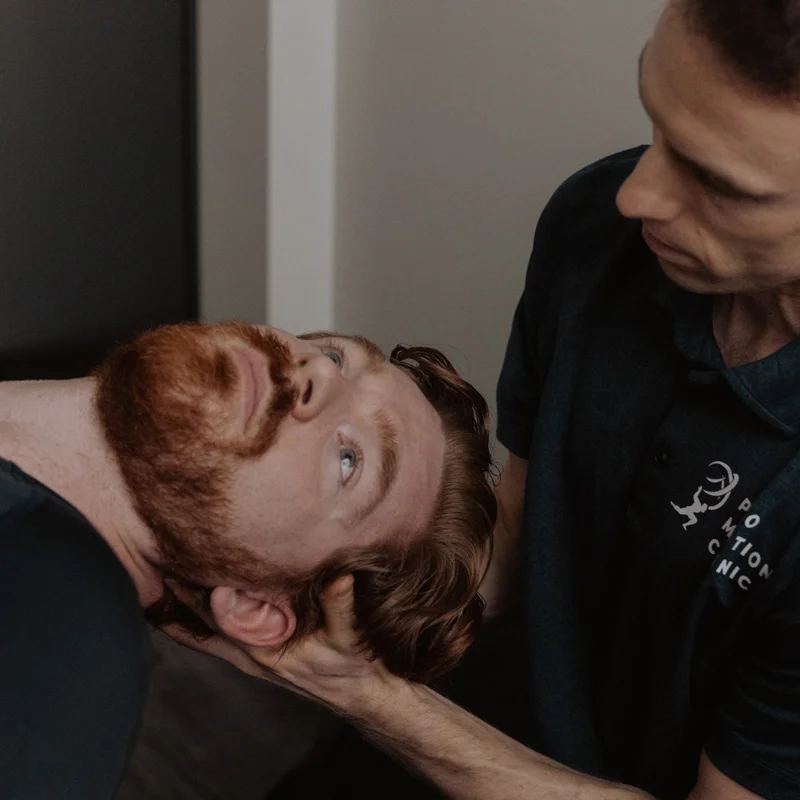
For BPPV, we can often move those loose crystals back where they belong using specific head movements. This isn’t comfortable while it’s happening, but many people feel dramatically better right after treatment. The Epley maneuver is one technique that repositions the crystals out of the sensitive parts of your inner ear.
If your neck is part of the problem, we need to address that too. When the vertebrae in your cervical spine aren’t moving properly, it affects the nerves that connect to your balance system. Getting your neck working better can reduce dizziness that comes from cervicogenic causes.
The therapy also includes exercises you do at home. These might involve moving your head in ways that currently make you dizzy – which seems backwards, but actually helps. Your brain gradually gets used to these movements and stops overreacting to them. This is called habituation training.
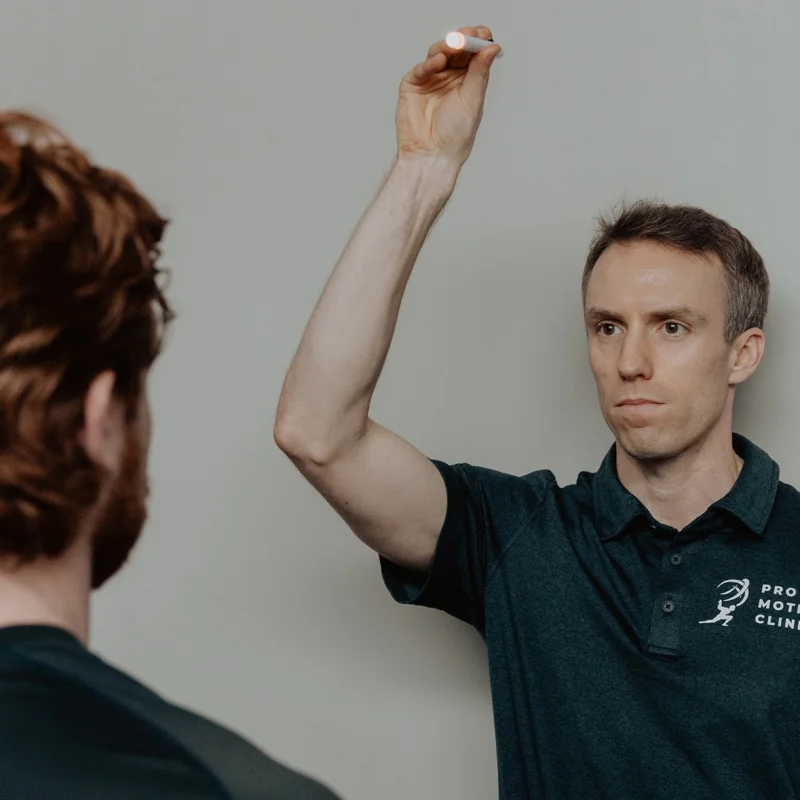
Other exercises work on improving how your eyes track moving objects while your head moves. Or they challenge your balance in safe ways so your body learns to trust itself again. Each program gets customized based on what’s actually causing your symptoms.
Our Four-Part Approach to Getting You Moving Again
At Pro Motion Clinic, we don’t just treat your symptoms. We want to figure out why this is happening to you and give you tools to manage it long-term.
Patient Education
You’ll learn which activities are safe to do and which ones you should modify for now. We talk about how to position yourself when you sleep so you’re less likely to trigger symptoms. If you need to avoid certain head positions during your recovery, we show you practical ways to work around that.
Many people worry they’re causing permanent damage when they feel dizzy. Usually that’s not the case. The dizziness itself isn’t dangerous – it’s just really unpleasant. Knowing this helps you stay calm when symptoms happen, which actually makes them resolve faster.
Exercise Rehabilitation
Balance exercises might involve standing on different surfaces with your eyes closed. This forces your body to rely on the sensors in your feet and legs instead of your vision. Gaze stabilization exercises train your eyes to stay focused on a target while you move your head. Walking while turning your head from side to side challenges multiple systems at once.
If you’re dealing with BPPV, we perform specific repositioning maneuvers in the clinic. These guided movements help shift those loose crystals back where they belong. You might feel temporarily worse during the treatment, but many people notice improvement within hours.
The exercise program evolves as you get better. Early on, you might practice walking in a straight line or standing on one foot. Later, we add more complex movements that mimic real-life activities – like looking over your shoulder quickly or bending down to pick something up.
Manual Therapy
Gentle adjustments to your spine may help improve blood flow to your brain and reduce nerve irritation. Soft tissue work releases tension in the muscles around your neck and shoulders. This combination often helps reduce dizziness that has a musculoskeletal component.
We also look at how your whole body moves, not just your neck. Sometimes poor posture or compensations in other areas put extra stress on your upper spine. Addressing these patterns helps prevent problems from coming back.
Shockwave Therapy
While shockwave therapy isn’t typically used directly for vestibular disorders, it can help with related issues. If muscle tension in your neck is contributing to your symptoms, shockwave can release trigger points that other treatments might miss. It also promotes healing in areas where you might be compensating poorly due to balance problems.
What to Expect During Treatment
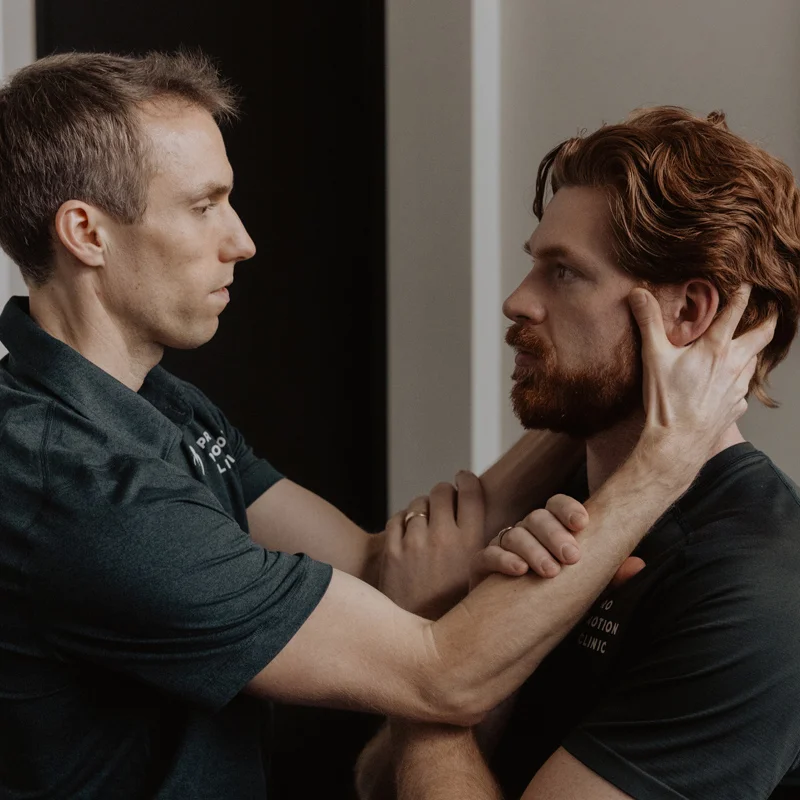
Your first visit involves a detailed assessment. We look at how you walk, how well you can balance in different positions, and what specific movements trigger your symptoms. We test your eye movements and examine your neck. This helps us figure out exactly what’s causing your dizziness.
From there, we create a treatment plan that addresses your specific problems. You might come in once or twice a week for hands-on therapy and guided exercises. We’ll also give you a home program to practice between visits.
Recovery time varies a lot depending on what’s wrong. If you have BPPV, you might feel dramatically better after just one or two treatments. Chronic balance issues from other causes might take several weeks of consistent work to see major improvements.
Some people worry the exercises will make them feel worse before they get better. There can be some truth to that – challenging your balance system does temporarily increase symptoms. But this is actually part of the healing process. Your brain needs that repeated exposure to adapt.
Why This Matters for Active People in Kelowna
If you’re used to hiking Knox Mountain or cycling in City Park, balance problems steal those activities from you. You might feel too unsteady to navigate the uneven trails around Gyro Beach. Playing volleyball at City Park becomes impossible when you can’t track the ball without getting dizzy.
Living in Kelowna means being active. Whether you’re skiing at Big White in winter, paddleboarding on the lake in summer, or just walking through Pandosy Village to grab coffee, you need to trust your balance. Vestibular problems take that confidence away.
The goal isn’t just to reduce your symptoms. It’s to get you back to doing what you love. That might mean returning to your morning runs along the waterfront. Or feeling steady enough to mountain bike again. Or simply being able to drive without anxiety.
Getting Started
If dizziness is affecting your daily life, don’t wait months hoping it will fix itself. Some vestibular problems do resolve on their own, but many respond really well to targeted treatment. The sooner you address it, the faster you can get back to normal.
Call Pro Motion Clinic at (236) 420-0660 to book an assessment. We’re located at #202-3030 Pandosy Street in Kelowna. Our team includes chiropractors in Kelowna, Physiotherapists in Kelowna, Kinesiologists, and Registered Massage Therapists who work together to address balance and dizziness issues. We accept ICBC claims and offer direct billing to make the process easier for you.
During your first visit, we’ll figure out what’s actually causing your symptoms. Then we’ll build a treatment plan that combines education, exercise, and hands-on therapy to help your body adapt. Most people notice improvement within a few weeks of starting vestibular rehabilitation.
You don’t have to keep living with dizziness. Your balance system can learn to work better again with the right approach.
Real results, real people
Ready to move better in Kelowna?
Book online or call our team — direct billing is available for most extended health plans.