Physiotherapy Therapeutic Ultrasound Kelowna
Physiotherapy therapeutic ultrasound in Kelowna for soft-tissue injuries, sprains & post-surgical recovery. ICBC direct billing at Pro Motion Clinic.
Think of therapeutic ultrasound like a mini massage happening at the cellular level. While you can’t feel individual sound waves working their way through your muscles and tissues, the effects can be noticeable. At Pro Motion Clinic, we use this technology as one tool in your recovery plan, not as a magic fix, but as something that can support your body’s natural healing process.
What Actually Happens During Therapeutic Ultrasound
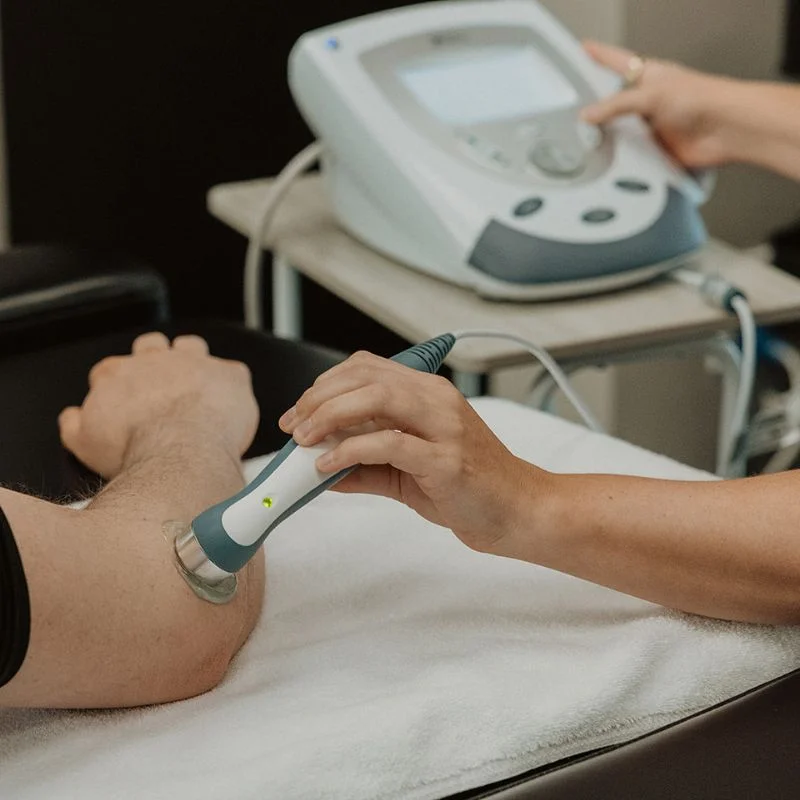
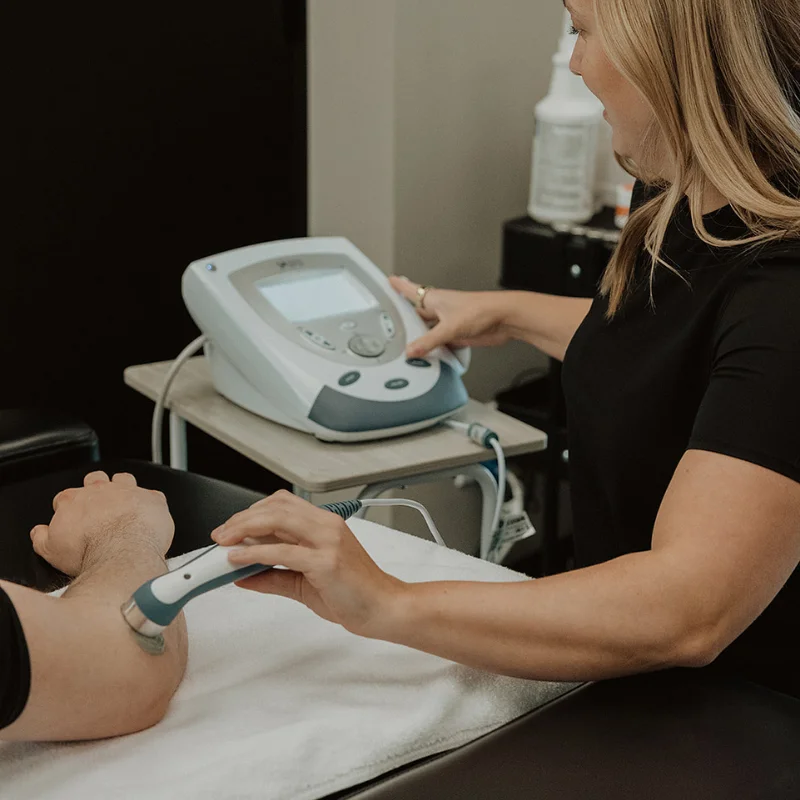
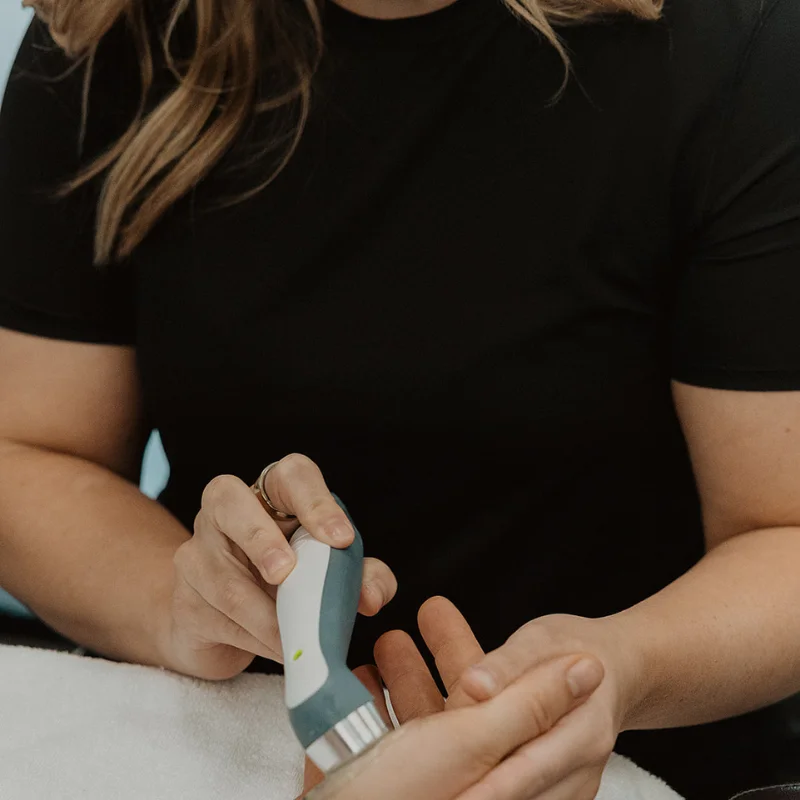
Here’s the straightforward version: a Physiotherapist moves a small wand over your skin. The wand sends sound waves—too high-pitched for human ears—deep into your muscles, tendons, and ligaments. These waves create gentle vibrations that warm the tissue and increase blood flow to the area.
The whole thing feels like a mild warming sensation, sometimes with a tiny tingling feeling. Most people find it relaxing. The gel we apply first isn’t just for show—it helps the sound waves travel from the machine into your body instead of bouncing off your skin.
A typical session lasts 5 to 10 minutes. That’s it. We don’t keep you on the table for an hour because more isn’t always better with ultrasound therapy.
How Therapeutic Ultrasound May Help Your Body Heal
When you hurt yourself—whether it’s a pulled muscle from hiking Knox Mountain, a nagging shoulder issue, or an ankle sprain—your body starts a repair process. Blood rushes to the area bringing oxygen and healing chemicals. New tissue forms, but sometimes it doesn’t organize itself perfectly.
Therapeutic ultrasound can help in a few ways:
Increased Blood Flow
The sound waves warm your tissues, which opens up blood vessels. More blood means more oxygen and nutrients reaching the injured area. This can support faster healing.
Breaking Up Scar Tissue
Sometimes when tissues heal, they form scar tissue that’s stiff and inflexible. The vibrations from ultrasound may help reorganize these fibres so they’re more flexible and closer to the original tissue structure.
Reducing Inflammation
The pulsed version of ultrasound (where the sound waves come in bursts instead of continuously) may help calm down swelling and inflammation, particularly in the early stages after an injury.
Pain Relief
The gentle warming effect can ease pain by relaxing tight muscles and improving circulation. Some people notice relief during the treatment itself, while others see changes over several sessions.
Conditions That Respond Well to Ultrasound Therapy
We use therapeutic ultrasound for a range of soft tissue issues:
- Tendonitis (like Achilles tendonitis or rotator cuff problems)
- Muscle strains and ligament sprains
- Bursitis
- Tennis elbow and golfer’s elbow
- Plantar fasciitis
- Shoulder pain and stiffness
- Knee pain from arthritis
- Post-surgical recovery
- Chronic neck or back pain from tight muscles
If you’ve been dealing with ICBC claims after a car accident, therapeutic ultrasound is often part of the treatment plan we design for soft tissue injuries. We accept ICBC claims directly, so you can focus on recovery instead of paperwork.
What Makes Ultrasound Different from Other Treatments
Some people wonder why we’d use ultrasound instead of just doing manual therapy or exercise. The answer is we usually don’t choose one over the other—we combine them.
Ultrasound works deep in your tissues where hands can’t reach. It can warm up muscles and tendons before we do stretching or manual work, making those treatments more effective. Think of it as prep work that helps the rest of your treatment go better.
It’s also non-invasive and painless. No needles, no discomfort, no recovery time needed. You can literally get ultrasound therapy and then head to Gyro Beach or go for a walk along City Park right after.
The Two Types of Therapeutic Ultrasound We Use
Continuous (Thermal) Ultrasound: This version runs constantly during treatment, creating a deep warming effect in your muscles and joints. We use it for chronic issues like long-standing shoulder pain or knee arthritis. The heat increases flexibility and reduces stiffness in tissues that have been tight for a while.
Pulsed (Non-Thermal) Ultrasound: This type delivers sound waves in bursts with breaks in between. It doesn’t create as much heat, which makes it better for newer injuries where you still have swelling. The mechanical effects can help reduce inflammation and support tissue repair without adding more warmth to an already inflamed area.
Your Physiotherapist picks which type to use based on your specific situation. There’s no one-size-fits-all approach.
What to Expect During Your Treatment
When you come in for therapeutic ultrasound at our clinic in the Pandosy area, here’s how it typically goes:
We’ll talk about your injury—when it happened, what makes it better or worse, and what your goals are. Maybe you want to get back to playing rec league at MNP Place, or maybe you just want to carry groceries without wincing.
Then we’ll do a physical assessment to see how the injured area is moving and where exactly the problem is. Ultrasound works best when we’re precise about where to apply it.
For the treatment itself, you’ll either sit or lie down in a comfortable position. We’ll apply gel to your skin and slowly move the ultrasound wand over the treatment area. The wand has to keep moving—if we held it in one spot, it could get too hot and uncomfortable.
You’ll feel warmth and maybe a little tingling, but it shouldn’t hurt. If it does, speak up immediately.
After the ultrasound, we’ll usually do other treatments too—maybe some hands-on work, some stretches, or exercises to do at home. Ultrasound is one piece of your recovery plan, not the whole thing.
How Many Sessions Do You Need?
This depends completely on your injury and how your body responds. Some people notice improvement after 3 or 4 sessions. Others need 6 to 10 treatments spread over a few weeks.
The honest answer is we don’t know until we start. Bodies heal at different rates. A younger person with an acute strain might respond faster than someone with chronic arthritis pain. We track your progress and adjust the plan as needed.
When We Don’t Use Therapeutic Ultrasound
Ultrasound is safe for most people, but there are some situations where we avoid it:
- If you’re pregnant, we won’t use it near your abdomen or pelvis
- If you have a pacemaker or other implanted device, ultrasound could interfere with it
- Active infections or open wounds in the treatment area
- Cancer or tumors (the increased blood flow could potentially spread cells)
- Areas with poor circulation or reduced sensation
- Over the eyes or reproductive organs
- Directly over metal implants in some cases
Your Physiotherapist will ask about your medical history before any treatment to make sure ultrasound is appropriate for you.
Therapeutic Ultrasound as Part of a Bigger Picture
Here’s something we tell people all the time: therapeutic ultrasound is helpful, but it’s not a stand-alone solution. You can’t come in, get ultrasound, and expect your injury to magically disappear without doing anything else.
The research shows ultrasound works better when combined with other treatments. We might pair it with manual therapy to loosen tight tissues, then follow up with specific exercises that strengthen and stabilize the injured area. We’ll probably give you stretches or movements to do at home.
Think of ultrasound as one ingredient in the recipe. It can improve blood flow and reduce pain, but you still need the other ingredients—proper movement, strengthening, and sometimes changing the activities that caused the problem in the first place.
What Makes Pro Motion Clinic Different
We don’t just throw ultrasound at every injury that walks through the door. We assess carefully, listen to what you need, and build a treatment plan around your specific goals.
Our team includes Physiotherapists, Chiropractors, Massage Therapists, and Kinesiologists who all work together. If ultrasound isn’t the right tool for your situation, we’ll tell you. If it is, we’ll explain exactly why and how it fits into your recovery.
We’re located at #202-3030 Pandosy Street in Kelowna, and we accept ICBC claims and WorkSafeBC for direct billing. You can reach us at 236-420-0660 to book an appointment or ask questions about whether therapeutic ultrasound might be right for you.
The Bottom Line ON Therapeutic Ultrasound
Therapeutic ultrasound has been used in Physiotherapy since the 1950s, and it remains a useful tool because it can do things other treatments can’t. It reaches deep into tissues, promotes blood flow, and may help your body heal more efficiently.
But it’s not a miracle cure. It’s one technique among many that can support your recovery when used properly and combined with other treatments.
If you’re dealing with a soft tissue injury, chronic pain, or trying to recover from an accident, therapeutic ultrasound might be part of your treatment plan. Or it might not. The only way to know is to get assessed by someone who can look at your specific situation and recommend what actually makes sense for you.
We’re here for the active people in Kelowna who want to keep doing what they love—whether that’s skiing Big White, biking the trails, playing sports, or just being able to move through your day without pain. Therapeutic ultrasound is one tool we use to help you get there, combined with education, hands-on treatment, and exercises that build lasting strength and mobility.
Ready to find out if therapeutic ultrasound could help with your injury? Give us a call at 236-420-0660 or visit us at #202-3030 Pandosy Street in Kelowna. We’ll take the time to understand what’s going on and create a plan that actually works for your body and your life.
Real results, real people
Ready to move better in Kelowna?
Book online or call our team — direct billing is available for most extended health plans.