NeuroKinetic Therapy Kelowna
Restore movement patterns with neurokinetic therapy in Kelowna at Pro Motion Clinic. Professional RMT care available. Call (236) 420-0660.
When you’ve been dealing with pain that keeps coming back no matter what you try, you start to wonder if something deeper is going on. You stretch. You ice. You rest. Maybe you even avoid the activities you love. The pain goes away for a while, but then it returns like an unwelcome houseguest who won’t leave.
Think about how your body works when you twist your ankle. You start limping to take pressure off the injured foot. Your other leg works harder. Your hip shifts. Your back compensates. Before long, you’re not just dealing with an ankle problem anymore. Your body has learned a new way to move, and it’s not going back on its own.
That’s where NeuroKinetic Therapy comes in.
What Makes NeuroKinetic Therapy Different
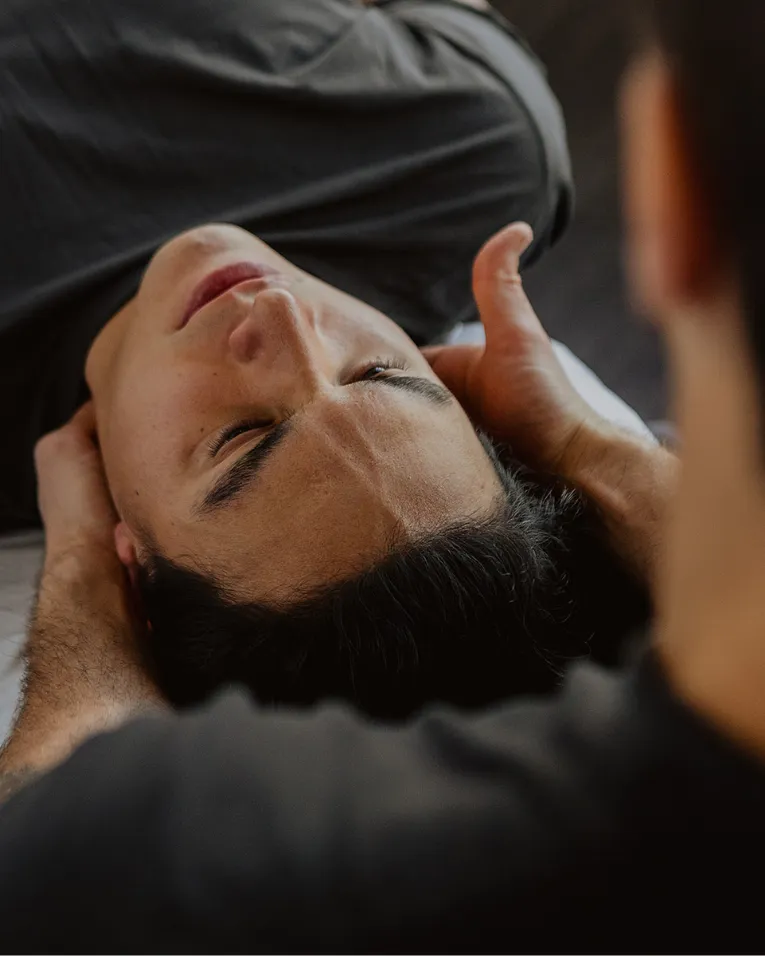
NeuroKinetic Therapy (NKT) works with your brain’s motor control centre to identify and fix movement patterns that cause pain. Your brain stores how you move in a part called the motor control centre. When you get hurt, your brain creates compensation patterns to protect you. These patterns stick around long after the original injury heals.
At Pro Motion Clinic in Kelowna, our Registered Massage Therapists use NKT to figure out which muscles have stopped working properly and which ones are overworking to pick up the slack. Research shows that addressing these compensation patterns may help reduce chronic pain and improve how you move.
The technique uses precise muscle testing to have a conversation with your nervous system. When a muscle tests weak, it tells us that muscle has been “turned off” in your movement pattern. Usually, another muscle nearby is working overtime to compensate.
How Your Body Creates Compensation Patterns
Let’s say you’re mountain biking down Knox Mountain and you crash. Your shoulder takes the impact. The injury heals, but your brain remembers that your shoulder got hurt. To protect it, other muscles start doing the work your shoulder muscles should handle. Your neck tightens. Your upper back gets sore. Maybe your opposite hip starts bothering you.
You didn’t do anything wrong. Your body was just trying to keep you safe. But now you’re stuck in a loop where the wrong muscles are doing the work, and they’re not happy about it.
This happens with all kinds of situations:
Your wrist hurts from working at a computer all day. Your shoulder and neck muscles compensate. Now you have shoulder pain and headaches on top of the wrist pain.
You tweaked your back lifting something heavy. Your hip flexors and hamstrings take over for your core muscles. Your back keeps hurting no matter how much you stretch.
An old ankle sprain from playing basketball changed how you walk. Your knee and hip on that side work differently now. Years later, you’re dealing with knee pain that seems to come from nowhere.
The NeuroKinetic Therapy Process
When you come in for NeuroKinetic Therapy at Pro Motion Clinic, here’s what happens:
Your Registered Massage Therapist talks with you about your pain and movement history. We want to know when it started, what makes it better or worse, and what you’ve already tried.
Next comes the muscle testing. Your therapist asks you to hold specific positions while they apply gentle pressure. If a muscle can’t hold against that pressure, it’s not firing properly in your movement pattern. This isn’t about how strong you are overall. It’s about whether your brain is using that muscle the way it should.
The testing follows a specific sequence to uncover the compensation pattern. If your hip flexor tests weak, we check related muscles to see which ones are overworking. Maybe your lower back muscles are bracing because your core isn’t doing its job. Or your hamstrings are tight because they’re compensating for weak glutes.
Once we identify the pattern, your therapist releases the overworking muscles using hands-on techniques. Then we activate the underworking muscles with specific movements. This tells your brain it’s safe to use those muscles again.
You get homework. The corrective exercises we give you help reprogram your motor control centre. Your brain learns through repetition, so these exercises are how you lock in the new pattern.
Who Can Benefit From NeuroKinetic Therapy
NeuroKinetic Therapy may help people dealing with:
- Chronic low back pain that doesn’t respond to regular treatment
- Neck pain and tension headaches
- Shoulder problems that limit your ability to reach overhead
- Hip pain that affects how you walk or run
- Knee pain during activities like hiking, running, or skiing
- Recurring injuries in the same area
- Pain that moves around your body
- Old injuries that never fully healed
- Tightness that returns quickly after massage or stretching
Studies suggest that addressing dysfunctional movement patterns can lead to better long-term outcomes than treating symptoms alone. When you change the pattern causing the problem, you’re more likely to get lasting relief.
Why Pain Keeps Coming Back
You’ve probably noticed that regular massage feels great but the pain returns. Or you do your stretches religiously but still have the same tight spots. That’s because massage and stretching work on the tight muscles without addressing why they’re tight in the first place.
Your tight muscles are usually the hard workers, not the problem children. They’re doing extra work because other muscles checked out. When you only release the tight muscles without turning the weak ones back on, the compensation pattern stays in place. Your brain just recreates the same tightness because nothing changed in how it controls movement.
NeuroKinetic Therapy breaks this cycle. By identifying which muscles are offline and reactivating them, we give your body permission to move normally again. The tight muscles can relax because they’re not covering for their lazy neighbors anymore.
What to Expect During Your Visit
NeuroKinetic Therapy sessions look different from regular massage appointments. You keep your clothes on and wear something comfortable that allows easy movement. Your therapist needs to see and test how your muscles work, so loose athletic wear works well.
Sessions typically last 60 to 90 minutes. The first visit takes longer because we’re gathering information and finding the main compensation patterns. Follow-up appointments often go faster as we work through specific issues.
Some people feel immediate relief after their first session. Others need a few visits before they notice changes. This depends on how long you’ve had the problem and how deep the compensation pattern runs. Your body didn’t learn these patterns overnight, and it takes time to unlearn them.
You might feel sore or tired after a session. Your brain is reorganizing how it controls movement, which takes energy. This usually passes quickly. You might also notice that you move differently or that certain muscles feel like they’re working harder during activities. That’s a good sign that your brain is using the right muscles again.
NeuroKinetic Therapy and Active Kelowna Living
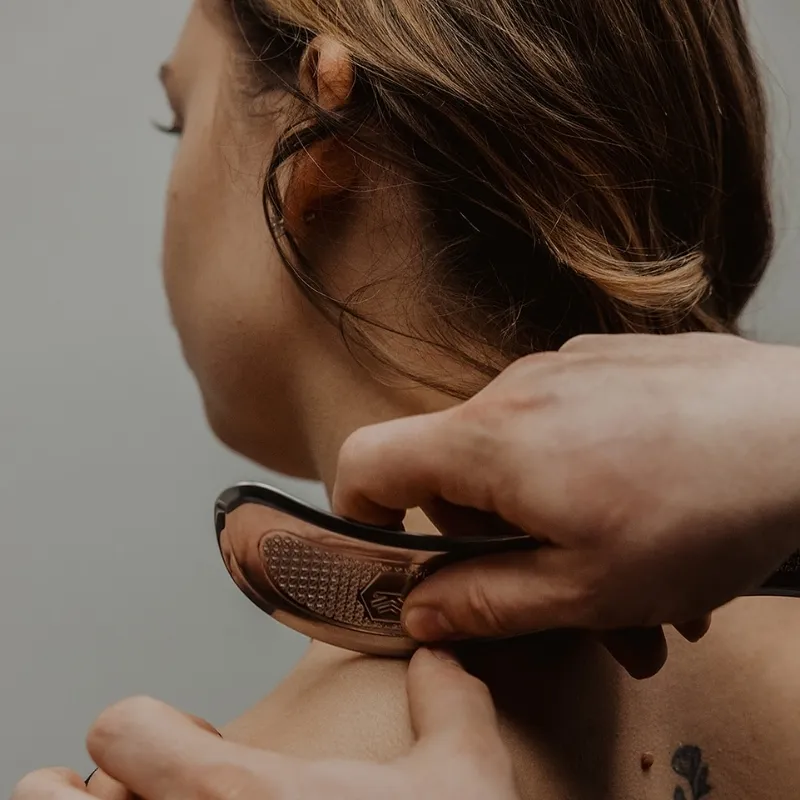
Living in Kelowna means you probably spend time being active. Whether you’re skiing at Big White, hiking the trails around Mission Creek, paddleboarding on the lake, or cycling the Kettle Valley Railway, your body needs to work well to keep doing these activities.
NeuroKinetic Therapy helps active people stay active. Instead of avoiding activities because of pain, you address the movement problems causing the pain. This means you can get back to enjoying the Okanagan lifestyle without constantly working around injuries.
For athletes and weekend warriors, NKT can help improve performance too. When your muscles work together properly, you move more efficiently. You generate more power with less effort. You’re less likely to get injured because your body isn’t stuck in compensation patterns that create weak links.
Combining NeuroKinetic Therapy With Other Treatments
At Pro Motion Clinic, our Registered Massage Therapists often combine NeuroKinetic Therapy with other techniques to support your recovery. NKT identifies the pattern, and other treatments help reinforce the changes.
Manual therapy techniques release tight tissue and improve how joints move. Dry needling can help reset overactive muscles. Exercise rehabilitation builds strength in the muscles that need to work better.
Our clinic accepts ICBC claims, so if you’re recovering from a motor vehicle accident, NKT can be part of your treatment plan. Motor vehicle accidents often create compensation patterns that last long after the initial injuries heal.
We also work with WorkSafeBC claims for workplace injuries. Whether you hurt yourself on the job or developed pain from repetitive tasks, addressing the underlying movement patterns may help you get back to work without chronic pain.
The Role of Your Motor Control Centre
Your motor control centre in your brain works like a library of movement patterns. When you learned to walk as a baby, you fell down a lot. Each time you fell, your brain learned what didn’t work. Eventually, you figured out walking without thinking about it. The pattern got stored in your motor control centre.
The same thing happens with compensation patterns. When you get injured, your brain learns a new way to move that avoids pain. This pattern gets stored alongside all your other movement patterns. Even after the injury heals, the compensation pattern stays unless something convinces your brain to change it.
NeuroKinetic Therapy speaks your brain’s language. When we test a weak muscle and it fails, your motor control centre opens up to new information. It’s like the brain realizes, “Oh, this muscle isn’t working right. Let me pay attention.” After we release the compensating muscles and activate the weak ones, we give your brain corrective exercises to practice. Through repetition, the new pattern becomes the default.
Finding a Qualified Registered Massage Therapist
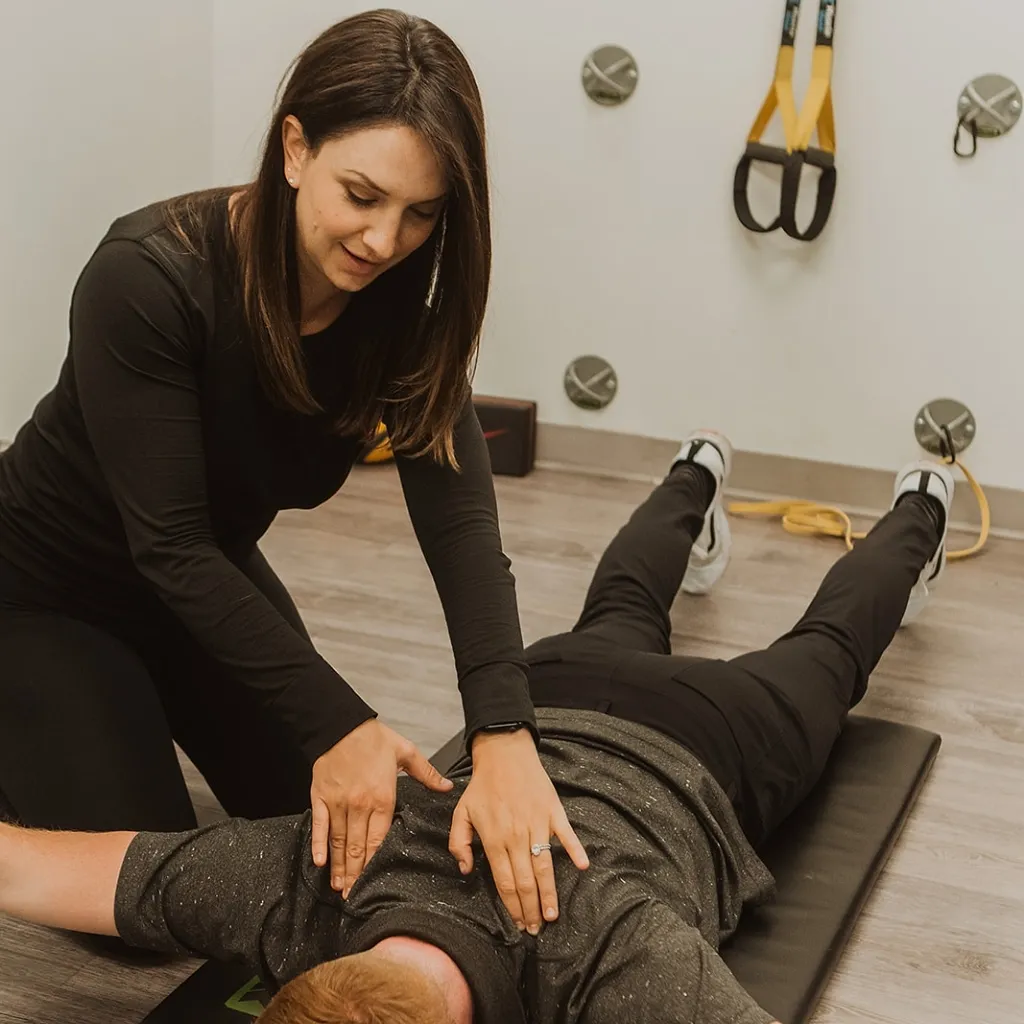
NeuroKinetic Therapy requires specialised training beyond massage therapy school. Therapists who use NKT complete certification programs that teach the specific muscle testing protocols and corrective strategies.
At Pro Motion Clinic, our Registered Massage Therapists have advanced training in movement assessment and rehabilitation techniques. We stay current with research on pain science and motor control so we can provide you with care based on evidence.
When you’re looking for someone to help with persistent pain or movement problems, ask about their training in assessment techniques like NKT. A therapist who can identify why you’re in pain, not just where it hurts, can help you get better results.
Making Lasting Changes
The goal of NeuroKinetic Therapy isn’t just to feel better for a few days. It’s to change how your body moves so the pain doesn’t come back. This requires active participation on your part.
Your corrective exercises are the most important part of treatment. These exercises aren’t random stretches or generic strengthening moves. They’re specific movements designed to reprogram your motor control centre. When you do them consistently, you teach your brain the new pattern is safe and effective.
Most people need to do their exercises daily for the first few weeks, then a few times per week as the pattern becomes more automatic. Think of it like learning any new skill. At first, you have to pay close attention. Eventually, it becomes natural.
The time it takes to see lasting changes varies. Some people notice significant improvements in a few weeks. Others with long-standing patterns need a few months of consistent work. Your therapist will give you realistic expectations based on your specific situation.
Why Location Matters for Treatment
Pro Motion Clinic is located at 202-3030 Pandosy Street in Kelowna, making it easy to access from anywhere in the city. Being in Kelowna means our Registered Massage Therapists see firsthand how the active Okanagan lifestyle shapes your needs. Staying active year-round matters to you, and your health directly impacts your ability to enjoy everything the Okanagan has to offer.
Our Registered Massage Therapists use NeuroKinetic Therapy to help people get back to the activities they love. Whether you’re training for a race, recovering from an injury, or just tired of dealing with pain that won’t go away, we can help you figure out what’s really going on.
Ready to Address the Root Cause
If you’ve been chasing pain without getting lasting results, NeuroKinetic Therapy offers a different approach. Instead of treating symptoms, we identify and change the movement patterns creating your symptoms.
Contact Pro Motion Clinic at (236) 420-0660 to book an appointment with one of our Registered Massage Therapists in Kelowna trained in NeuroKinetic Therapy. We accept ICBC claims, and we’re here to help you move better and feel better.
We cannot direct bill registered massage therapy to WorkSafe currently.
You don’t have to keep living with pain that comes back every time you think it’s gone. Let’s find out what your body has been trying to tell you.
Real results, real people
Ready to move better in Kelowna?
Book online or call our team — direct billing is available for most extended health plans.