Pre/Post-Surgical Rehab Kelowna
Recover safely with expert pre and post-surgical rehabilitation in Kelowna. Book your assessment at Pro Motion Clinic today: (236) 420-0660.
Think about surgery like training for a big race. You wouldn’t show up to run 10K without any prep work, right? The same goes for your body heading into surgery. Pre-surgical rehab (prehab) gets your body ready for what’s coming, while post-surgical rehab helps you get back to the things you love doing.
At Pro Motion Clinic in Kelowna’s Pandosy area, we work with people before and after surgery to help their bodies handle the stress and recover better. Whether you’re looking at a knee replacement, shoulder surgery, or any other procedure, the way you prepare and recover can make a real difference.
Why Your Body Needs Prep Time Before Surgery
Surgery is hard on your body. Even if the actual procedure is quick, your body sees it as a major event. Your muscles, joints, and systems all have to work harder to heal.
When you build strength and movement before surgery, you’re giving yourself a head start. Research shows that people who do prehab often have shorter hospital stays and get back to normal activities faster. It’s like putting money in the bank before a big expense.
Here’s what happens when you skip the prep: Your muscles get weaker while you wait for surgery. If you’re already avoiding certain movements because of pain, those muscles shut off even more. Then surgery happens, and now you’re starting recovery from an even lower baseline. That makes everything harder.
Pre-surgical rehab changes this pattern. You work on strength, movement quality, and understanding what your body can do. When surgery day comes, you’re in the best shape possible given your injury or condition.
What Pre-Surgical Rehab Actually Looks Like
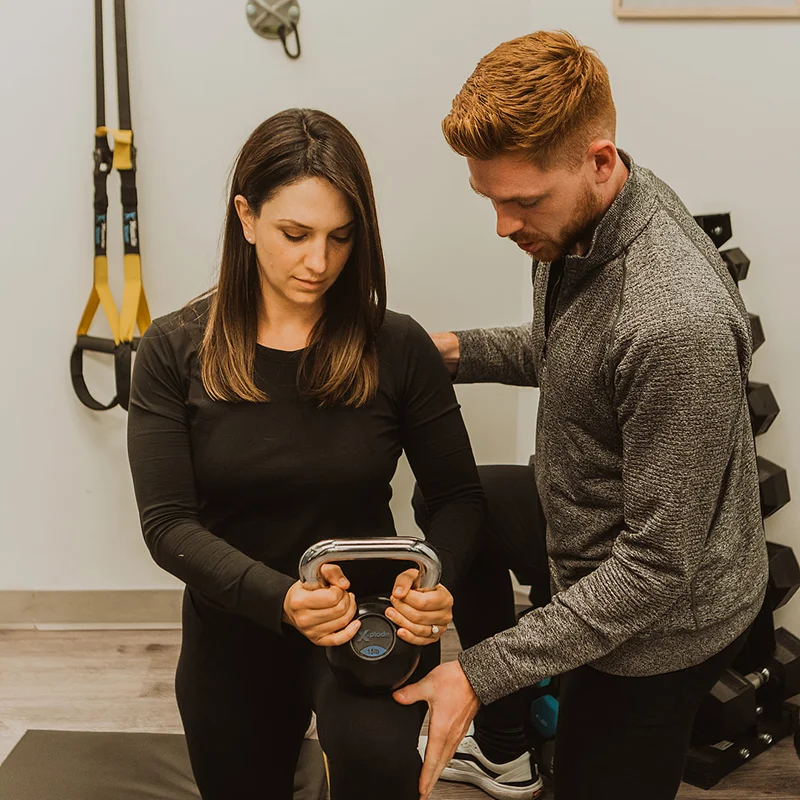
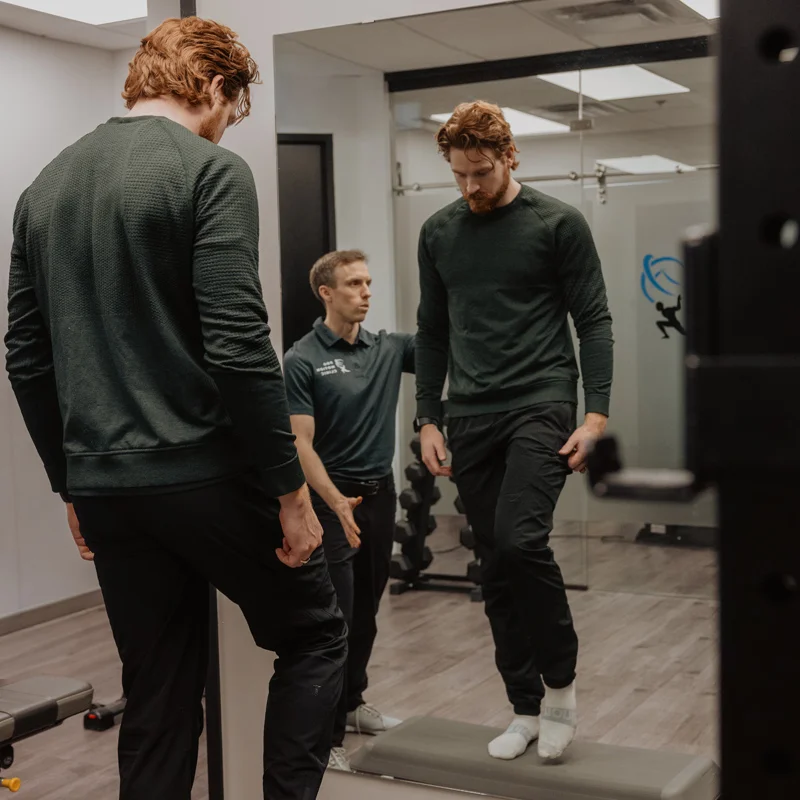
Your Kelowna Physiotherapist starts by figuring out what your body can still do well. If you’re scheduled for knee surgery, maybe your hips and ankles work fine but your quads have gotten weak from limping.
You get specific exercises that build up everything around the problem area. You’re not trying to fix the injury itself – that’s what surgery is for. You’re building a strong support system so recovery goes smoother.
You also learn movement patterns you’ll need after surgery. How to get in and out of a chair safely. How to manage stairs. When surgery happens, none of this is new.
If you’re dealing with ICBC or WorkSafeBC claims, we handle that paperwork. Pro Motion Clinic accepts both types of claims.
Post-Surgical Rehab: The Real Recovery Work
Surgery fixes the structural problem. Rehab teaches your body how to use that fix.
Right after surgery, everything feels different. Your body has been through trauma. Muscles are sore. Movement feels weird. Some people expect that once the surgery is done, they’re automatically better. That’s not how it works.
Your brain needs time to trust the new joint or repaired tissue. Your muscles need to wake back up and remember their jobs. This doesn’t happen on its own. You have to teach your body what to do.
Early post-surgical rehab focuses on simple things: reducing swelling, managing pain without just relying on medication, and getting basic movement back. You might start with ankle pumps and gentle knee bends. Nothing fancy, but these small movements keep blood flowing and prevent stiffness.
As you heal, exercises get more specific. If you had shoulder surgery, you’ll work on shoulder blade control and rotator cuff activation. If you had a hip replacement, you’ll rebuild your glutes and work on walking patterns. Each phase builds on the last one.
The Four-Part Approach to Surgical Rehab
At Pro Motion Clinic, we use four main pieces in every treatment plan:
Education comes first. You need to know what’s happening in your body and why. When you understand the process, you make better decisions. You know when to push and when to back off. You recognize normal healing versus something that needs attention.
Exercise rehabilitation is where the real change happens. This isn’t about random stretches you found online. Every exercise has a purpose. We’re rebuilding movement patterns, retraining muscles, and getting you stronger in ways that matter for your life.
Manual therapy helps when tissues get stuck or joints don’t move right. Sometimes scar tissue limits motion. Sometimes muscles stay tight even when you try to relax them. Hands-on work can speed up progress in these situations.
Specialized treatments like Shockwave Therapy or dry needling come in when needed. Not everyone needs these, but they can be helpful tools for stubborn areas that aren’t responding to basic rehab. This four-part approach works whether you’re three days or three months out from surgery. The mix just changes based on where you are in healing.
Common Surgeries We Work With
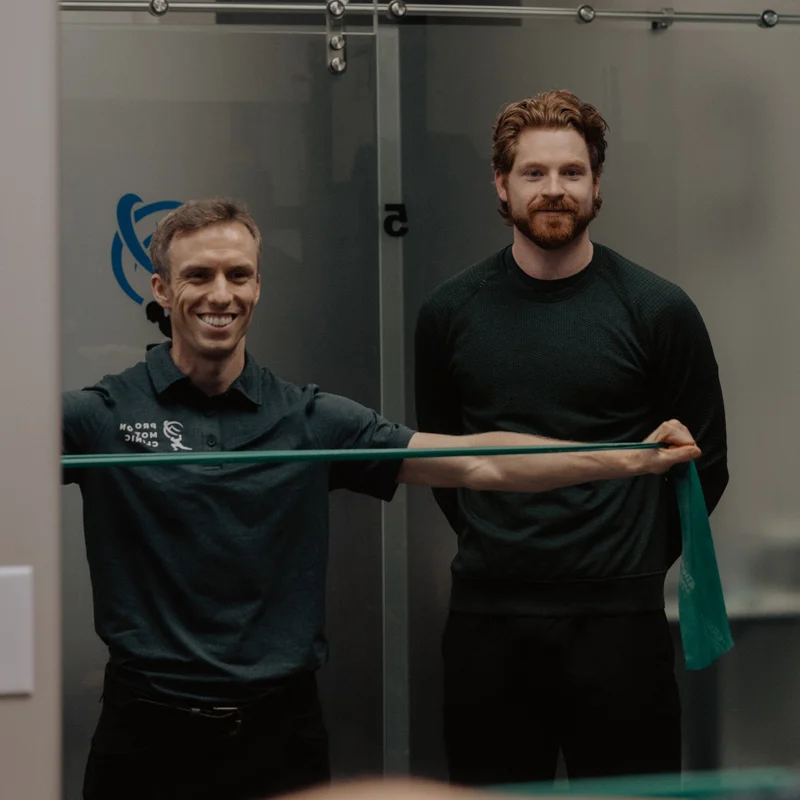
Joint replacements – Knees and hips top the list. Most people can walk the day after surgery, but walking well takes months of work. We help you progress through each stage safely.
Rotator cuff repairs – Your shoulder has to heal, but you can’t let it freeze up. That balance between protection and movement matters.
ACL reconstructions – Getting back to sports like mountain biking at Big White or hockey at MNP Place takes 9-12 months minimum. We help you rebuild strength, control, and confidence without rushing it.
Spinal surgeries – Core stability and movement quality become really important. We work on these without putting stress on the surgical site.
Arthroscopic procedures – Just because the incisions are small doesn’t mean the inside of your joint is ready to go. You still need to rebuild strength and control.
What Makes Prehab Different
Prehab is more targeted than regular physio. You’re working toward a specific date and goal: being as ready as possible for surgery.
Your exercises get more specific to what you’ll need post-surgery. You also get mental preparation for what to expect during recovery.
Recovery Timelines
Everyone heals differently, but here are rough timelines for common surgeries:
Knee replacement – Most people use a walker for 2-4 weeks, then a cane. Getting back to hiking Knox Mountain or walking City Park might take 3-4 months. Full recovery takes about a year.
Shoulder surgery – Your arm stays in a sling for 4-6 weeks. Light activities start around 3 months. Full strength can take 6-9 months.
ACL reconstruction – Return to sports happens around 9-12 months if everything goes well.
Hip replacement – Many people are off walking aids by 4-6 weeks. Full recovery still takes months, but daily activities get easier sooner.
Your timeline might be faster or slower. That’s why working with a Physiotherapist helps – they adjust your program based on how you’re actually healing.
Working With Insurance
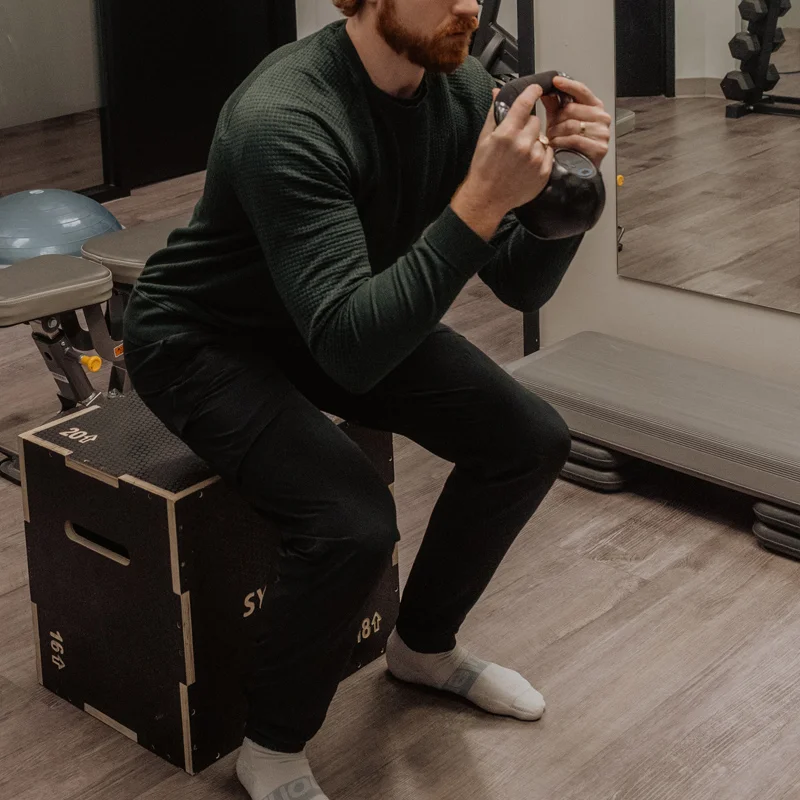
If you’re dealing with an injury from a car accident, Pro Motion Clinic works with ICBC regularly. We handle the paperwork so you can focus on recovery.
The same goes for WorkSafeBC claims. For other insurance coverage, we offer direct billing when possible. Call our clinic at 236-420-0660 to check if your plan is covered.
When to Start Post-Surgical Rehab
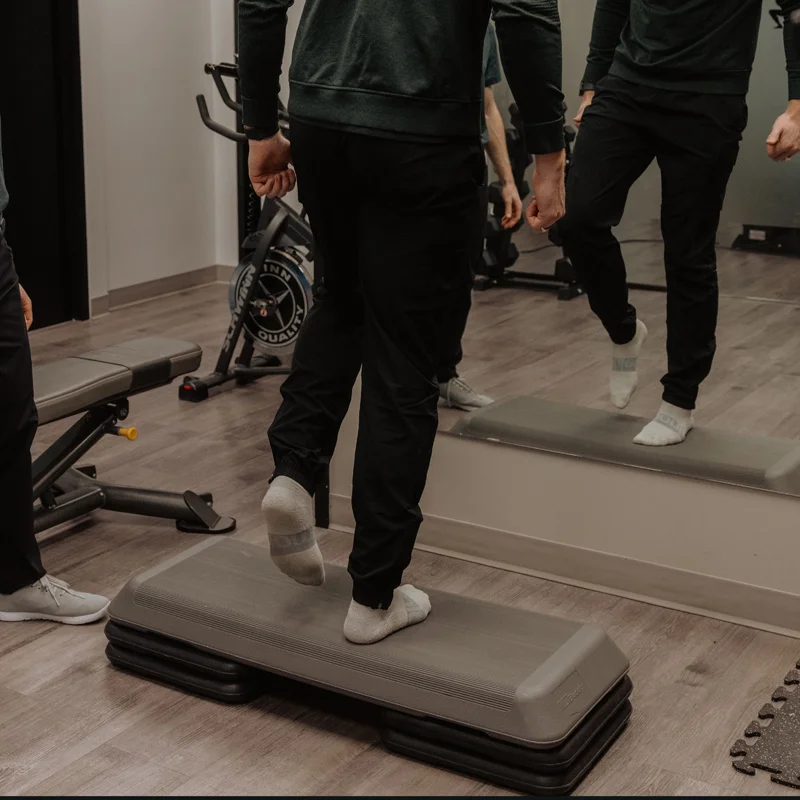
Most surgeons want you moving early. For many procedures, formal physio starts around 2 weeks post-op, though you might have basic exercises before that.
Starting rehab early helps prevent scar tissue buildup, keeps joints from getting stiff, and maintains your muscle. It also helps manage swelling and pain.
Some surgeries need more protection time. Your surgeon gives you specific guidelines, and your Physiotherapist works within those while pushing you as safely as possible.
What If You Didn’t Do Prehab?
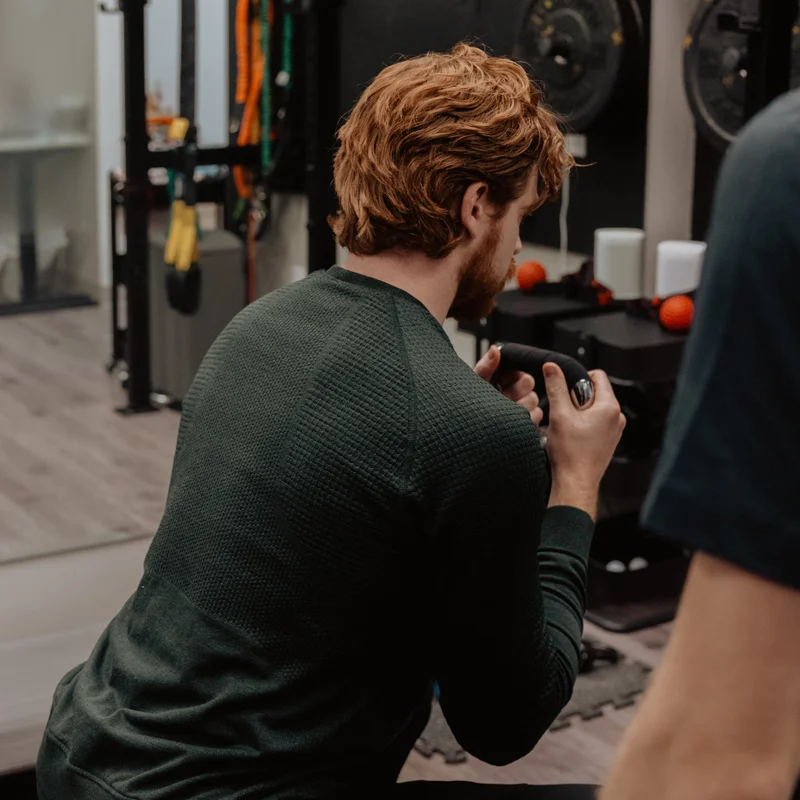
Maybe your surgery got scheduled quickly and there wasn’t time for prehab. Or maybe you didn’t know prehab was an option. That’s okay. Post-surgical rehab still helps.
You just might have a steeper climb. Your muscles are weaker starting out. Your movement patterns might need more work. Recovery could take longer. But you can still get there. It just takes more patience and consistency.
The key is starting rehab as soon as your surgeon clears you and sticking with it. Don’t skip appointments. Do your home exercises. Progress might feel slow at first, but it adds up.
Signs Your Rehab Is Working
How do you know if your post-surgical rehab is helping?
Your pain gradually gets better. Movement gets easier over time. You need less help with daily activities. You’re sleeping better because pain is less intense. Your confidence grows and you trust your body more.
If these things aren’t happening, talk to your Physiotherapist. Your program might need changes.
Maintenance After Recovery
Surgery and rehab give you a second chance at movement and function. What you do with that chance matters.
The best outcomes happen when people use surgery and rehab as a reset. They build better habits, stay active in ways their body can handle, and keep up with maintenance exercises even after formal physio ends.
This doesn’t mean living in a gym. It means staying aware of your body, moving regularly, and addressing small problems before they become big ones.
Convenient Kelowna Location
Pro Motion Clinic sits in the Pandosy area at #202-3030 Pandosy Street. Easy parking and close to Pandosy Village. When you’re recovering from surgery, having a convenient location makes it easier to stick with your appointments. And consistency matters in rehab.
The Team Approach to Surgical Recovery
Surgery recovery benefits from a team approach. Sometimes you need chiropractic care for areas that were compromised during injury. Sometimes massage therapy helps with muscle tension. Sometimes, kinesiology treatment in Kelowna helps build strength and improve functional movement in a gym-based setting.
At Pro Motion Clinic, these services are under one roof. Your Physiotherapist can bring in other team members when needed, and everyone communicates about your case.
Getting Started With Pre/Post-Surgical Rehab in Kelowna
If you’re facing surgery, call Pro Motion Clinic at 236-420-0660 to set up an assessment. We’ll look at your current function, discuss your upcoming surgery, and create a plan that gets your body ready.
Already had surgery? It’s never too late to start proper rehab. Even if you’re weeks or months out, working with a Physiotherapist can help you make progress.
We’re located at #202-3030 Pandosy Street in Kelowna, open Monday through Saturday. Online booking is available at promotionclinic.com.
Whether you’re trying to get back on the trails, play with grandkids again, or return to competition, the right rehab program makes a difference. Surgery gives you the structure. Rehab teaches your body how to use it.
Real results, real people
Ready to move better in Kelowna?
Book online or call our team — direct billing is available for most extended health plans.