Myofascial Release Therapy Kelowna
Reduce chronic pain & improve flexibility with myofascial release therapy in Kelowna. Call Pro Motion Clinic at (236) 420-0660.
You know that feeling when you reach for something on the top shelf and your shoulder just won’t let you? Or when you’re trying to check your blind spot while driving and your neck feels like it’s made of wood? That tightness you feel isn’t just tight muscles. It’s your fascia—the connective tissue that wraps around every muscle in your body—getting stuck and restricted.
At Pro Motion Clinic in Kelowna, we see this every day with active people who want to keep doing what they love. Whether you’re a golfer dealing with restricted shoulder rotation, a runner with hip tightness, or someone who sits at a desk and can’t turn your head properly anymore, myofascial release therapy can help get you moving better.
What Is Myofascial Release Therapy
Think of fascia like the white stringy stuff you see when you cut into a piece of raw chicken. That’s fascia. In your body, it’s everywhere—wrapping around muscles, connecting bones, and basically holding everything together in a web-like structure.
When fascia is healthy, it’s flexible and moves smoothly. But when you get injured, overuse a muscle, or sit in bad positions all day, that fascia can get tight and rigid. It forms what we call trigger points—those knots you feel in your muscles that hurt when you press on them.
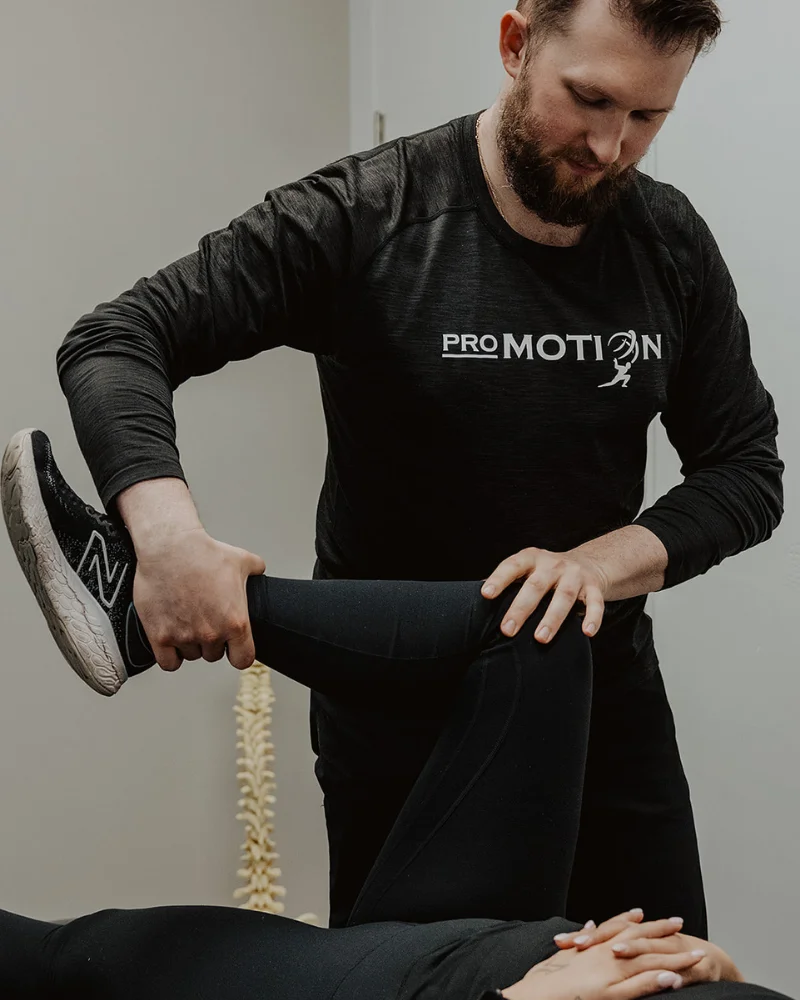
Myofascial release therapy is hands-on treatment that targets these tight spots. Your Kelowna Chiropractor or Kelowna Massage Therapist applies sustained pressure to the restricted areas, holding it until the tissue releases and softens. It’s different from regular massage because we’re not just working on the muscle—we’re treating the fascia that surrounds it.
How Your Body Gets Stuck
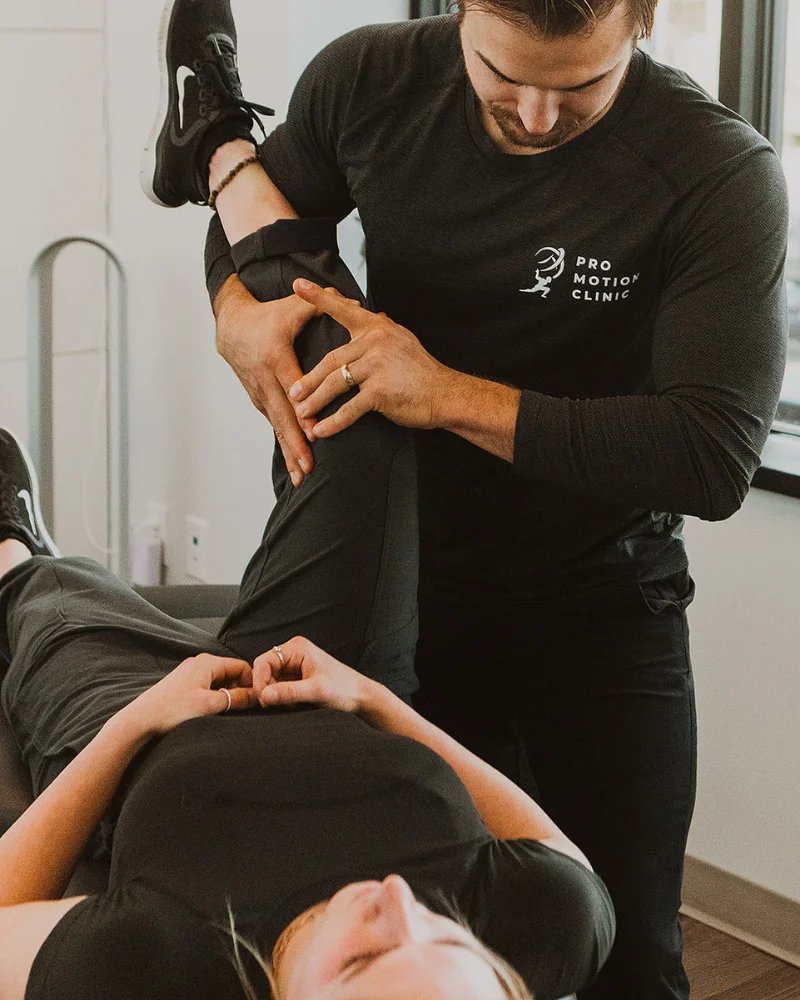
Here’s what happens. You play a round of golf with poor swing mechanics. Or you spend eight hours hunched over a keyboard. Maybe you’re training hard at the gym and not recovering properly. Your fascia responds by tightening up to protect the area.
At first, this protection is helpful. But over time, that tight fascia restricts your movement. Your body starts compensating—you might favor one leg, hike up a shoulder, or rotate your spine differently. These compensation patterns create new problems in other areas. The hip pain might actually be coming from a tight back. The headache might be from restricted tissue in your neck and shoulders.
This is where a lot of people get stuck. They treat the pain location, but not the source. At Pro Motion Clinic, we look at your whole body to find where the restrictions started.
Who Benefits From Myofascial Release Therapy in Kelowna
If you’re active and living in Kelowna, you’re probably doing things that put stress on your fascia. Hitting the slopes at Big White. Biking the Kettle Valley Rail Trail. Playing hockey at Rutland Arena. Hiking Knox Mountain. All great activities—and all of them can create fascial restrictions when your body isn’t moving well.
You might benefit from myofascial release therapy if you have:
Limited range of motion in your joints. Maybe you can’t lift your arm all the way overhead. Or you can’t squat as deep as you used to. These restrictions often come from tight fascia, not just stiff joints.
Chronic pain that won’t go away. You’ve tried everything, but the pain keeps coming back. Fascia restrictions can keep muscles in a shortened position, creating ongoing pain cycles.
Muscle tightness that doesn’t respond to stretching. You stretch every day but still feel tight. This often means the fascia needs to be released before the muscle can lengthen properly. Postural problems. One shoulder sits higher than the other. Your head sits forward. These patterns often involve fascial restrictions pulling your body out of alignment.
The Pro Motion Approach to Myofascial Release
Here’s how we’re different at Pro Motion Clinic. We don’t just do myofascial release in isolation. Our team combines it with other treatments to get you better results faster.
We start with education. You need to understand what’s happening in your body and why. We’ll show you on our interactive screens where your restrictions are and how they’re affecting your movement. Knowledge helps you take control of your recovery.
Then we combine myofascial release with exercise rehab. Releasing tight tissue is great, but you need to teach your body new movement patterns. We give you specific exercises to strengthen weak areas and improve how you move. This stops the restrictions from coming back.
We also use manual therapy techniques like spinal adjustments when needed. Sometimes a joint isn’t moving well because the fascia around it is tight. Sometimes the fascia is tight because the joint isn’t moving. We address both.
For stubborn areas that won’t respond, we have Shockwave Therapy in Kelowna. This technology sends acoustic waves into the tissue to break up restrictions and increase blood flow. It works really well combined with myofascial release for chronic problems.
What Happens During Treatment
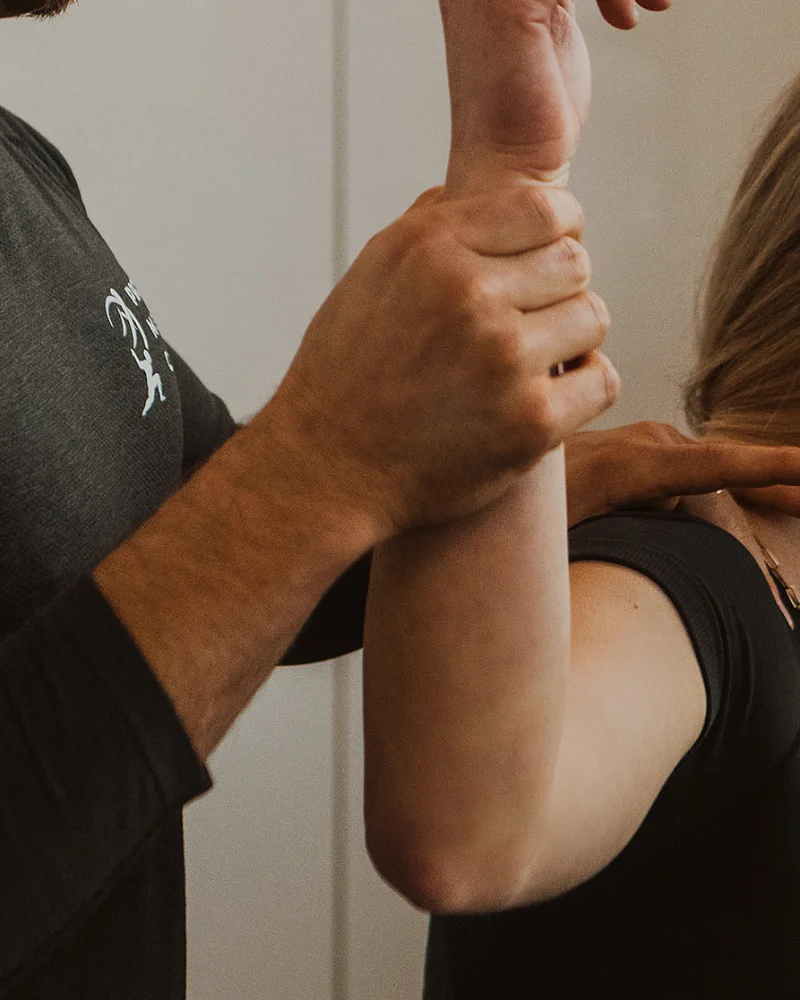
Your first visit at our clinic on Pandosy Street starts with a thorough assessment. We watch how you move, test your range of motion, and feel for restricted areas. This helps us find the source of your problem, not just where it hurts.
During myofascial release, you’ll feel sustained pressure on the tight spots. It might be uncomfortable at first—that’s normal when we’re working on restricted tissue. But it shouldn’t be sharp or unbearable pain. Most people describe it as a “good hurt” that releases as we hold the pressure.
The pressure stays constant until we feel the tissue soften and release. This can take 30 seconds to a couple minutes per spot. Your body is literally changing and lengthening as we work.
After the hands-on work, we’ll guide you through movement patterns to reinforce the release. This teaches your nervous system the new range of motion. Without this step, your body might just tighten back up.
You might feel sore after treatment, like you’ve done a hard workout. This is your body adapting to the changes. Drink lots of water and stay moving. The soreness usually goes away within a day or two.
Treating Common Issues With Myofascial Release
Back and Neck Pain
We find these restrictions and release them. Then we work on the muscle imbalances that caused them. Back pain often comes from weak core muscles and tight hip flexors. Neck pain usually involves weak deep neck flexors and tight chest muscles. We address all of it.
Shoulder Problems
Myofascial release to the pec muscles, lats, and muscles around your shoulder blade can make a huge difference. Combine that with proper shoulder strengthening exercises, and you can get back to overhead activities without pain.
Hip and Leg Issues
We release these areas and then work on hip strength and stability. Many people are surprised how much better their knees feel once we fix their hip restrictions. Everything is connected.
Headaches and Jaw Pain
Myofascial release to these areas, combined with posture correction, can reduce headache frequency. We also teach you exercises to keep these areas loose between treatments.
Why Active People Need Myofascial Release

If you’re training hard—whether it’s CrossFit, cycling, skiing, or any sport—your fascia takes a beating. When you work out, you create tiny tears in your muscle tissue. This is normal and how you get stronger. But if you don’t recover properly, the fascia around those muscles can get sticky and restricted.
This limits your performance. You can’t produce as much power. Your range of motion decreases. You’re more likely to get injured because your body compensates.
Smart athletes include myofascial release in their training program. It keeps tissue healthy, improves recovery, and helps you perform at your best. At Pro Motion Clinic, we work with lots of athletes—from weekend warriors to high-level competitors. We get what you’re trying to do and how to keep you in the game.
Recovery and Long-Term Results
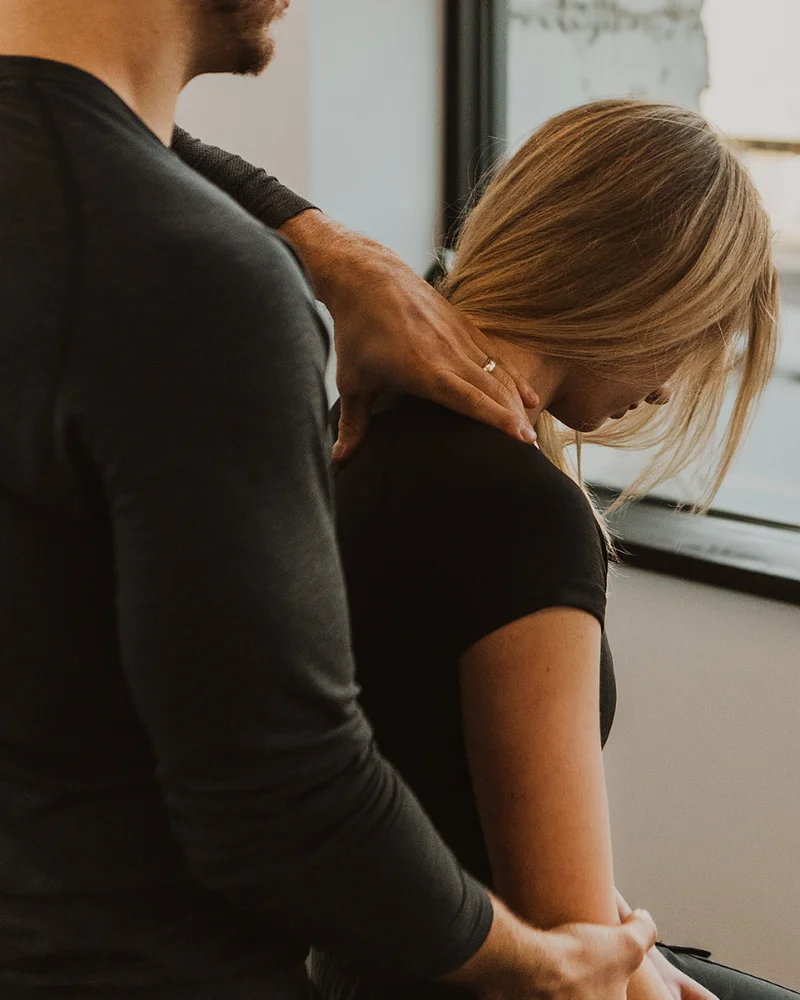
Here’s the truth about myofascial release—it’s not a quick fix. Some people feel immediate relief after one session. Others need multiple treatments to see changes, especially if the restrictions have been there for years.
Most people need 4-8 sessions to address chronic issues. We typically start with weekly treatments, then space them out as you improve. The goal is always to get you independent—doing your own maintenance work at home with foam rollers, lacrosse balls, and the exercises we teach you.
The real magic happens when you combine myofascial release with proper training. We don’t just want to fix your current problem. We want to build a body that moves well and stays healthy long-term.
What Makes Pro Motion Clinic Different
Pro Motion Clinic was founded with a specific vision—create a place where active people can get the care they need to keep doing what they love. Our team has worked with everyone from NHL players to people who just want to play with their kids without pain.
Our clinic isn’t about endless treatment sessions. We want to educate you, fix the problem, and give you the tools to stay healthy. Myofascial release is just one part of how we do that.
We use the latest technology like Shockwave Therapy when needed. We have Chiropractors, Massage Therapists, and Kinesiologists in Kelowna, all working together. This means you get a complete approach to your recovery, not just one technique.
And we actually understand what you’re dealing with. Our team are athletes themselves. We’ve been injured, worked through pain, and know what it takes to come back stronger. We’re not here to tell you to stop doing what you love. We’re here to help you do it better.
Taking the First Step
If you’re dealing with restricted movement, chronic pain, or want to improve your performance, myofascial release therapy might be what you need. But you won’t know until you get assessed properly.
At Pro Motion Clinic, we start every new patient with a detailed evaluation. We want to understand your body, your goals, and what’s been holding you back. From there, we create a treatment plan that makes sense for you.
We’re located at #202-3030 Pandosy Street in Kelowna. You can book online through our website at promotionclinic.com or call us at (236) 420-0660. We work with ICBC claims and offer direct billing for most insurance plans.
Stop working around the pain and restrictions. Let’s fix them so you can get back to living the active Kelowna lifestyle you want.
Myofascial Release and Your Overall Health
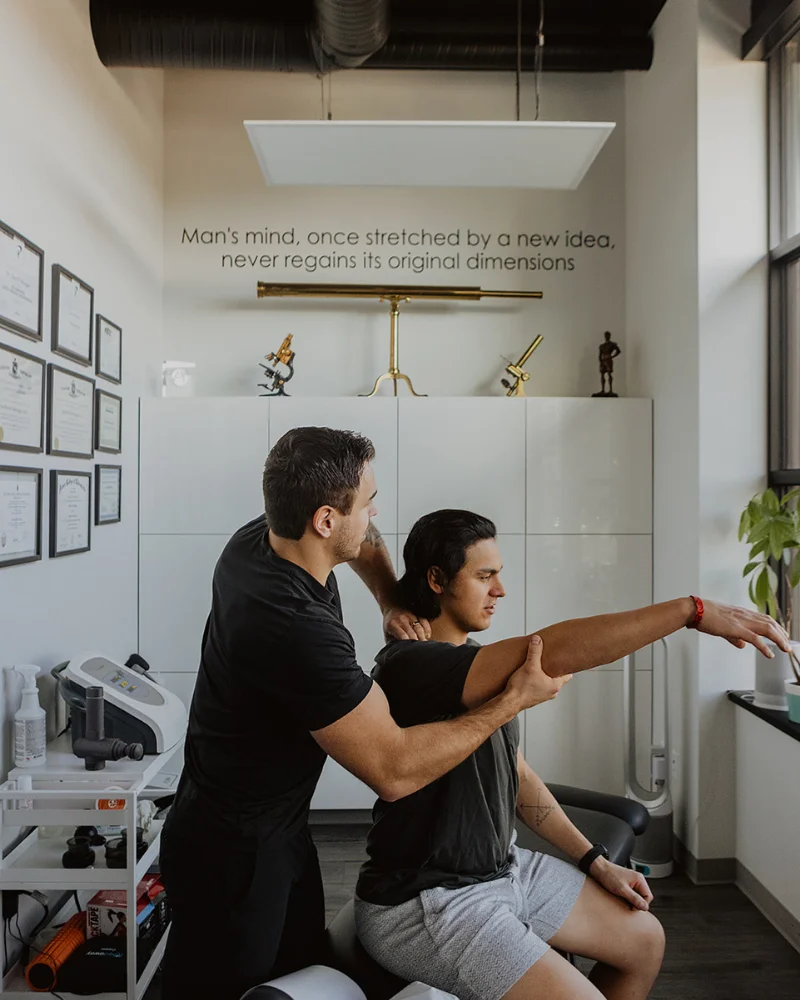
Here’s something most people don’t realize—fascial restrictions don’t just cause pain. They affect your whole body’s function.
When fascia is tight, it restricts blood flow to the area. Less blood flow means less oxygen and nutrients getting to your muscles. It also means waste products don’t get cleared out as well. This creates inflammation and keeps the pain cycle going.
Restricted fascia also affects your nervous system. Those trigger points we talked about? They send pain signals to your brain constantly. Your nervous system stays on high alert, which can affect your sleep, stress levels, and even your mood.
By releasing these restrictions, we’re not just helping you move better. We’re helping your body function better overall. Better circulation, less nerve irritation, improved recovery—all from addressing the fascial system.
Self-Care Between Sessions
You can do a lot at home to maintain the results from myofascial release therapy. We’ll teach you how to use foam rollers and other tools to work on your own tissue. This isn’t as good as what we can do in the clinic, but it helps keep things loose between visits. Stay hydrated. Fascia needs water to stay pliable. When you’re dehydrated, tissue gets stiffer and harder to release. Drink more water, especially on treatment days.
Keep moving. Sitting still after myofascial release lets tissue tighten back up. Go for a walk, do some gentle stretching, or just move through your day normally. Movement helps reinforce the new tissue length.
Do your exercises. We give you homework for a reason. Those exercises strengthen the weak areas and teach your body new movement patterns. Skipping them means slower progress.
Common Questions About Myofascial Release in Kelowna
People ask us all the time if myofascial release hurts?
The honest answer is—it can be uncomfortable. You’re working on tight, restricted tissue that’s probably been there a while. But it shouldn’t be unbearable. We always work within your tolerance and adjust pressure as needed.
How long do results last?
This depends on what caused the restrictions in the first place. If you had an old injury and we release it, the results can be long-lasting if you maintain good movement patterns. If your job or activities keep creating the same restrictions, you’ll need ongoing maintenance.
Can you just do myofascial release at home?
Yes and no. You can do self-myofascial release with tools, and we encourage it. But you can’t reach all areas yourself, and you can’t apply the same sustained pressure a trained therapist can. Home work is great for maintenance, but it’s not a replacement for professional treatment.
Does insurance cover it?
If myofascial release is done by a Chiropractor or Massage Therapist, most extended health plans cover it. We do direct billing for most insurance companies. ICBC also covers treatment for motor vehicle injuries.
Book Your Assessment Today
Living in Kelowna means you probably love being active. Don’t let tight fascia and restricted movement hold you back from the activities you enjoy. Whether it’s skiing, golfing, hiking, or just being able to play with your kids without pain, we can help.
Myofascial release therapy at Pro Motion Clinic is part of a complete approach to keeping active people healthy and performing their best. Combined with exercise rehab, patient education, and other manual therapy techniques, it’s a powerful tool for lasting change.
Call (236) 420-0660 or visit promotionclinic.com to book your initial assessment. Let’s figure out what’s restricting your movement and create a plan to fix it. Your body has more potential than you think—let’s get it moving the way it should.
Real results, real people
Ready to move better in Kelowna?
Book online or call our team — direct billing is available for most extended health plans.