Clinical Pilates Kelowna
Improve strength, posture, and rehabilitation with Clinical Pilates in Kelowna at Pro Motion Clinic. Call (236) 420-0660 to get started.
You’re moving through your day when that familiar twinge hits. Maybe it’s your lower back after sitting at your desk. Maybe it’s your shoulder when you reach overhead. Or maybe it’s just this general sense that your body isn’t moving the way it should.
Here’s what we see all the time at our Kelowna clinic: people who’ve tried rest, tried stretching, maybe even had a few massage sessions, but the problem keeps coming back. That’s where Clinical Pilates changes things.
What Makes Clinical Pilates Different
Clinical Pilates isn’t the group class at your gym. It’s a targeted approach that uses Pilates principles specifically for rehabilitation and pain management.
Research shows Clinical Pilates may help with pain reduction and functional improvement, particularly for people dealing with low back pain and other musculoskeletal conditions. The approach focuses on controlled movement, proper breathing, and core stability to address movement patterns that might be causing your discomfort.
At Pro Motion Clinic in Kelowna, our team uses Clinical Pilates as part of a bigger treatment approach. We combine it with other therapies to give you the most effective care possible. You might work with a Physiotherapist who prescribes specific Pilates-based exercises, or a Registered Massage Therapist who incorporates movement re-education alongside manual therapy.
How Your Body Creates Pain
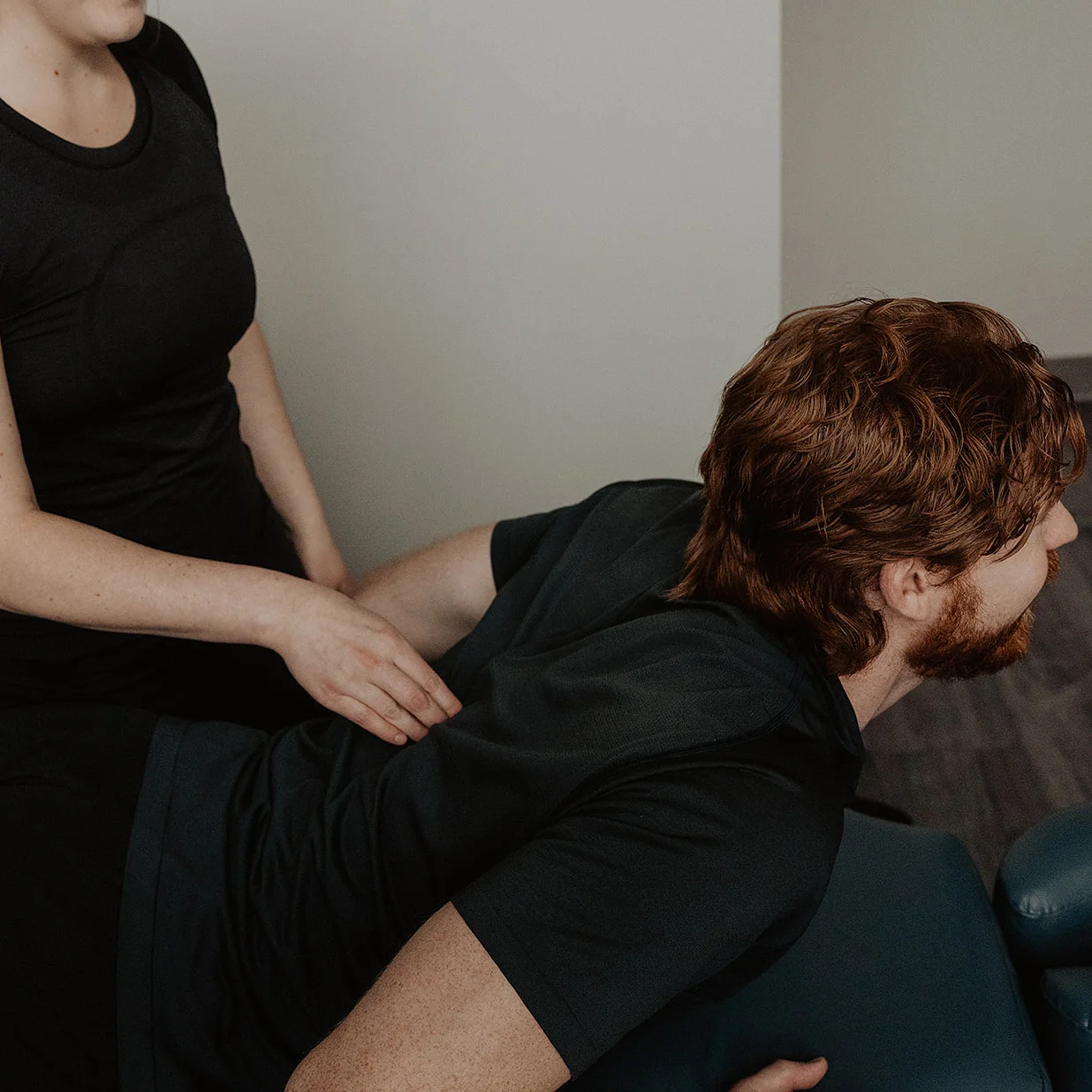
Your body is smart. When something hurts or doesn’t work right, it finds workarounds. You might shift your weight to one side, tighten up certain muscles, or change how you move to avoid discomfort.
These compensations feel helpful at first. But over time, they create new problems. Your hip tightens up from how you’re walking. Your shoulder gets cranky because you’re lifting differently. Your neck starts aching because you’re holding tension there.
This is where Clinical Pilates makes a real difference. Instead of just working on the spot that hurts, it addresses the movement patterns causing the problem in the first place.
The Clinical Pilates Process
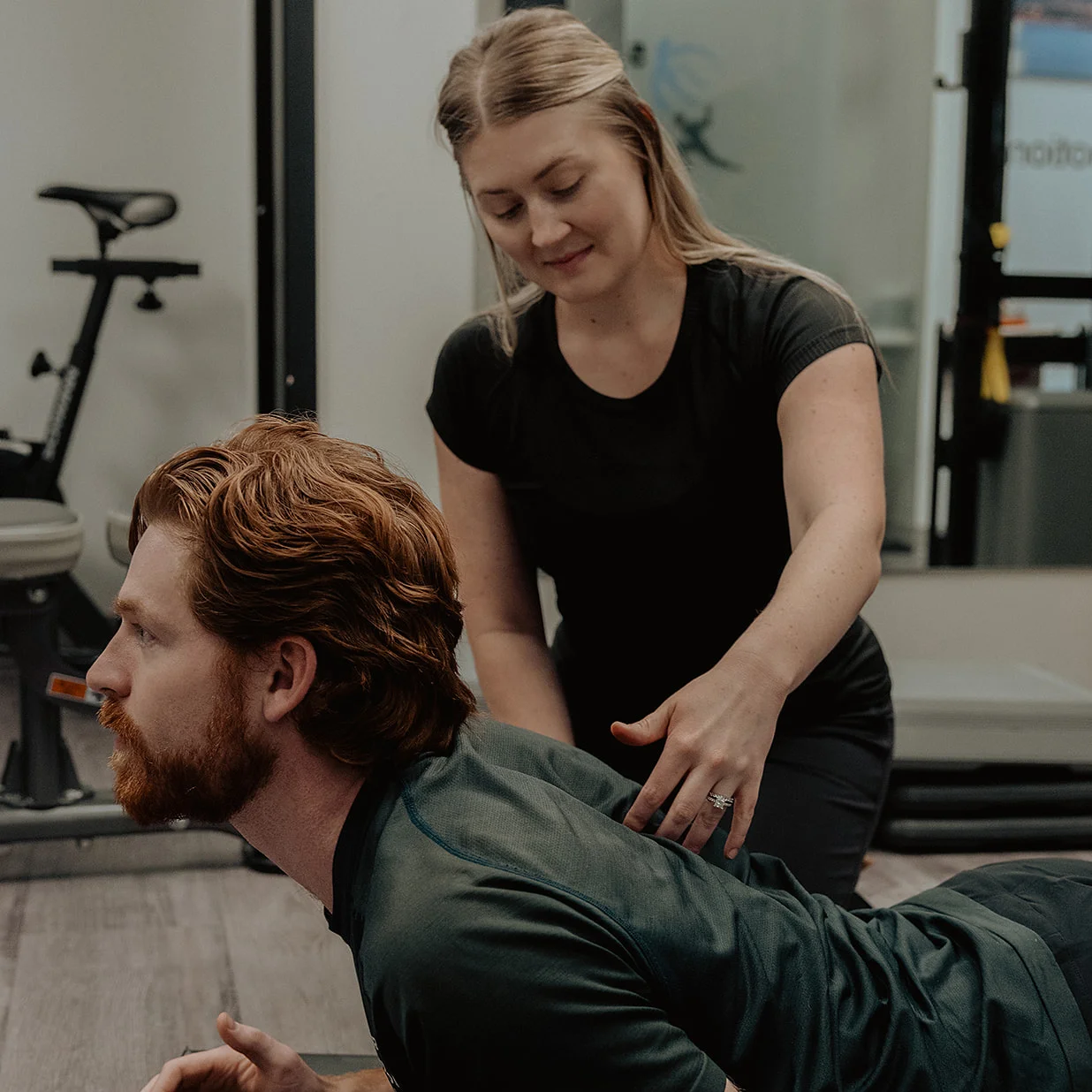
When you start Clinical Pilates at our Kelowna location, we don’t hand you a generic exercise sheet. Your treatment begins with assessment. We look at how you move, where you’re compensating, and what’s not working the way it should.
Maybe you’re hiking Knox Mountain every weekend but your knee keeps bothering you. Or you’re trying to get back to mountain biking after an injury. Or you just want to pick up your kids without your back seizing up.
We build your Clinical Pilates program around what you need. The exercises might look simple at first. But they’re designed to retrain specific movement patterns and rebuild the stability your body needs.
Core Stability and Why It Matters
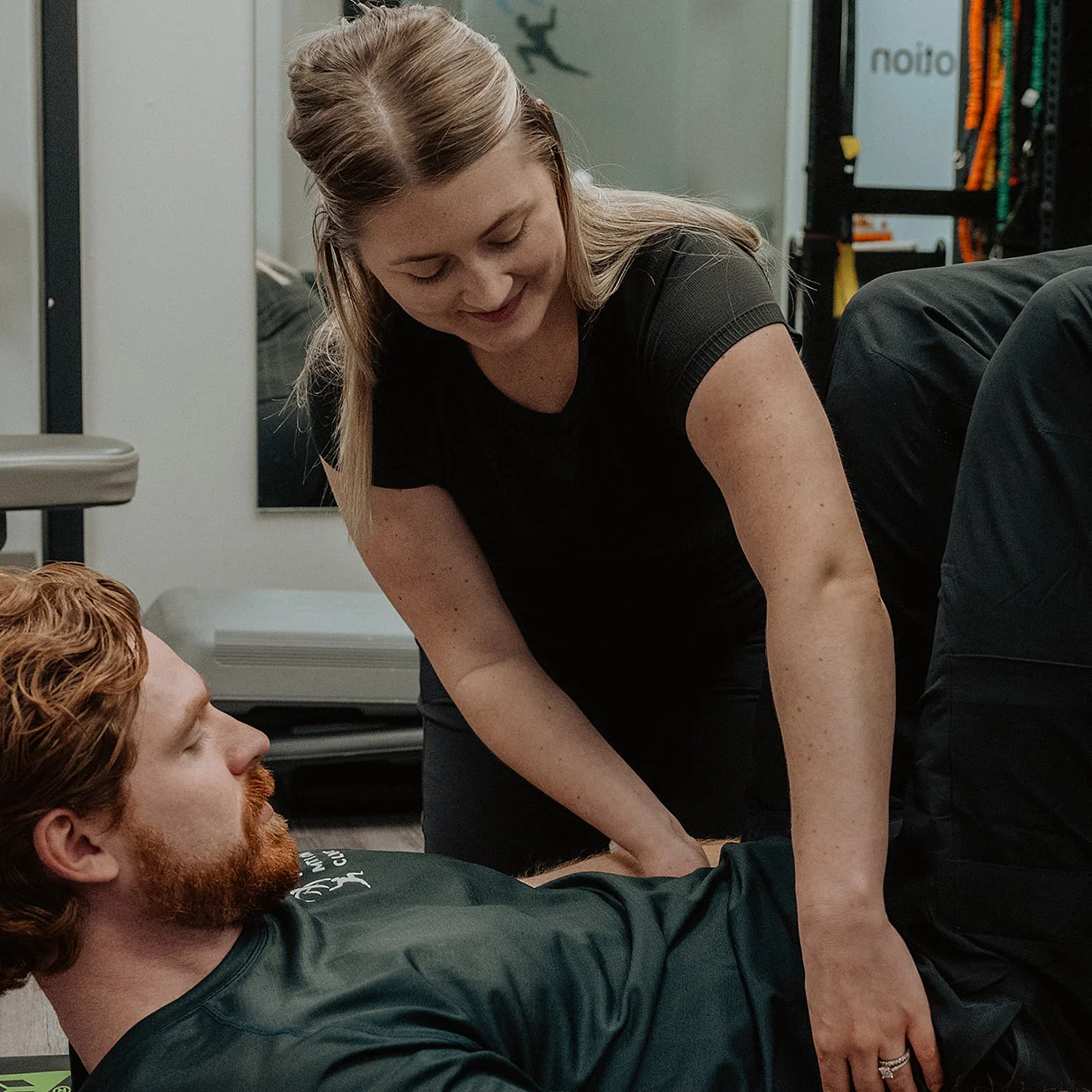
You’ve probably heard about core strength. Clinical Pilates takes this idea further by focusing on core stability, which is about control, not just strength.
Think about it this way: you can have strong abs but still have back pain. That’s because strength without control doesn’t help much. Your body needs to know how to use those muscles at the right time, in the right way.
Clinical Pilates teaches this control through precise, focused movements. You learn to engage your deep core muscles before you move. You practice maintaining that stability while your arms and legs are working. You build patterns that transfer to real life.
Research indicates Clinical Pilates may improve balance and functional movement, which matters whether you’re running through City Park or just trying to get through your workday without pain.
Who Benefits from Clinical Pilates in Kelowna
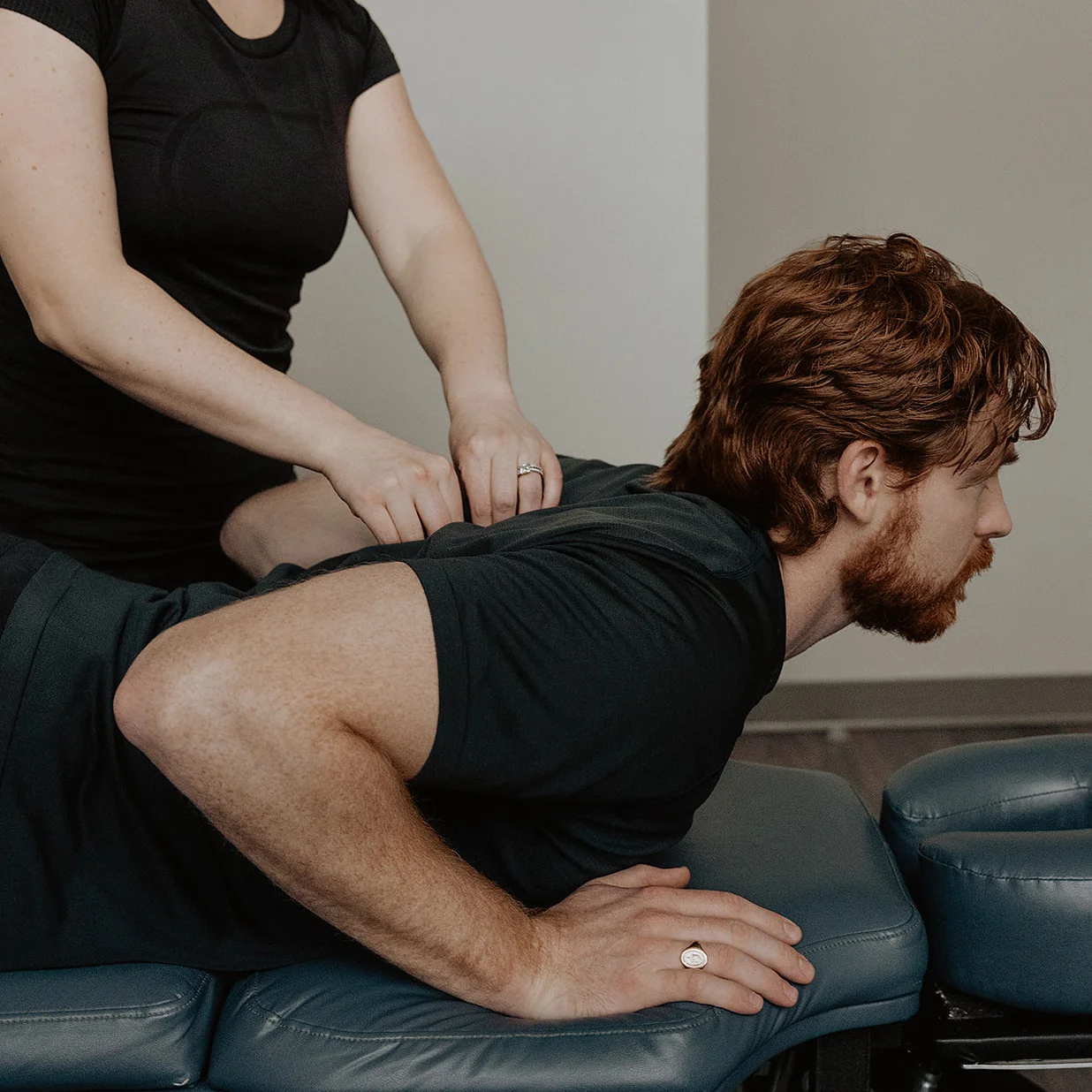
We work with a wide range of people at our clinic on Pandosy Street. Some are dealing with specific injuries. Others want to prevent problems before they start. Many are active people who need their bodies to work better.
Clinical Pilates may be appropriate for people experiencing lower back pain, which is one of the most common reasons people seek treatment. Studies suggest Pilates-based exercise can help reduce pain levels and improve function.
We also see good outcomes with people recovering from injuries. After a car accident covered by ICBC, Clinical Pilates can help rebuild strength and movement quality. The controlled nature of the exercises makes them suitable for people at various recovery stages.
Runners, cyclists, and other active people often use Clinical Pilates to address imbalances before they turn into injuries. If you’re training for Big White’s ski season or summer trail running, having better movement patterns helps you perform better and stay healthy.
Clinical Pilates and Massage Therapy
Many people at our Kelowna clinic combine Clinical Pilates with Registered Massage Therapy. This combination makes sense because they address different parts of the same problem.
Your Registered Massage Therapist in Kelowna works on tissue quality, releasing tight areas and improving circulation. But if the movement patterns causing the tension don’t change, those tight spots come right back.
That’s where Clinical Pilates fits in. After your Registered Massage Therapist addresses the tissue work, Clinical Pilates helps retrain the movements. You’re not just getting temporary relief. You’re building lasting change.
This approach is particularly helpful for people with chronic tension patterns. Maybe you carry stress in your shoulders. Maybe your hip flexors are always tight. Maybe your upper back hurts by the end of every workday.
Working with both a Registered Massage Therapist and someone trained in Clinical Pilates gives you the best of both worlds. Manual therapy plus movement retraining equals better, longer-lasting results.
The Science Behind Clinical Pilates
Research on Clinical Pilates has grown over the past decade. Multiple studies have examined its effects on various conditions.
For low back pain specifically, research suggests Clinical Pilates may reduce pain and improve function. A systematic review found that Pilates-based exercise was effective for reducing disability in people with chronic low back pain.
Studies have also looked at Clinical Pilates for other musculoskeletal conditions. Research indicates it may help improve flexibility, balance, and core muscle strength. These improvements can translate to better function in daily activities.
The mental health benefits get less attention but matter just as much. Studies show Clinical Pilates may help reduce anxiety and improve body awareness. When you’re dealing with chronic pain, these psychological aspects are just as relevant as the physical ones.
At Pro Motion Clinic in Kelowna, we stay current with this research. We use evidence-based approaches to give you care that’s grounded in science, not just trends.
What to Expect During Your Sessions
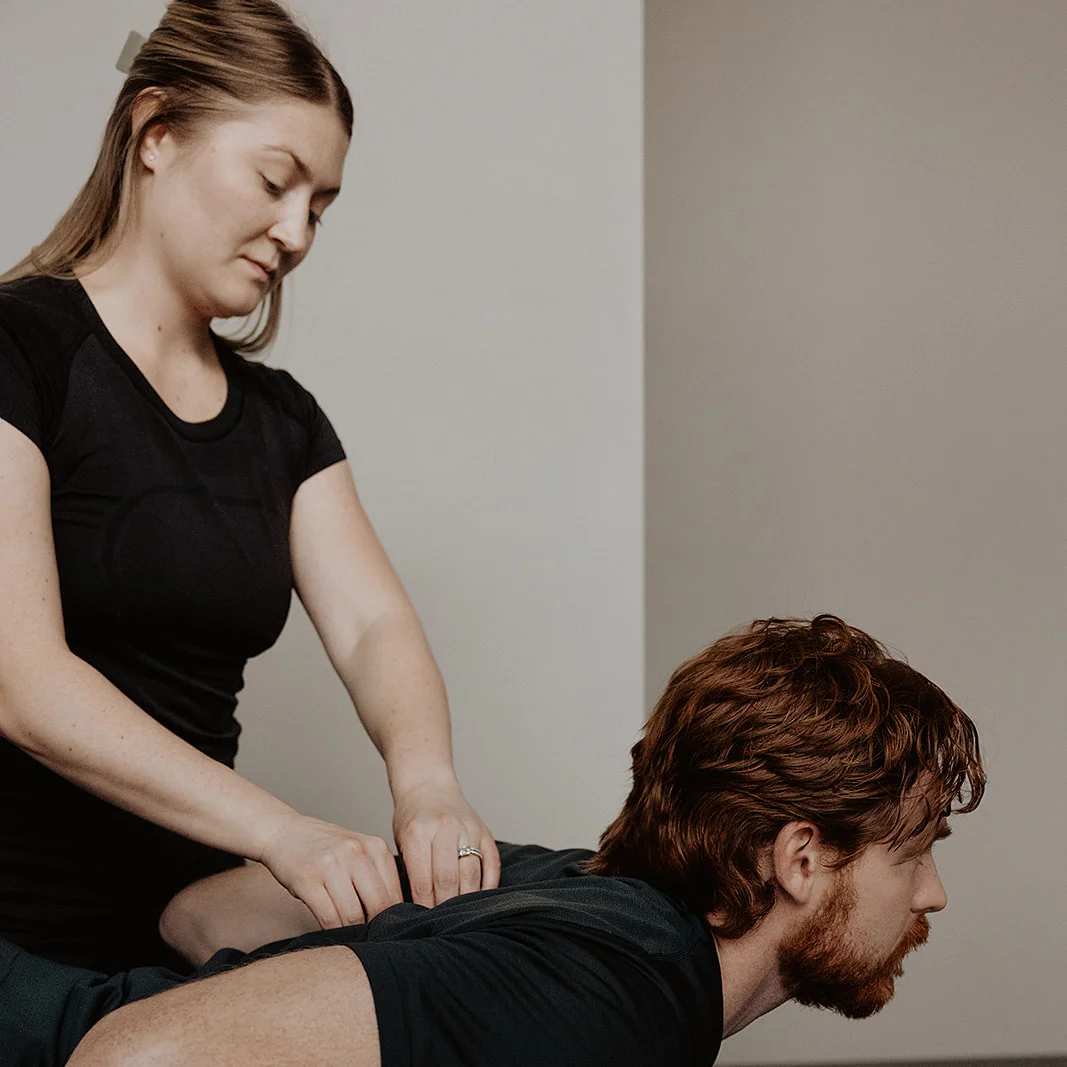
Your first Clinical Pilates session involves a lot of assessment. We need to understand how you move before we can help you move better. This means watching you walk, testing your range of motion, checking your strength, and identifying compensation patterns.
From there, we build a program specific to your needs. Early sessions might feel easier than you expect. That’s intentional. We’re teaching your body new patterns, and that takes precision, not exhaustion.
You might start with basic movements on a mat. Or we might use specialised equipment that provides support and feedback as you learn. The goal is always the same: help your body learn better movement patterns that stick.
As you progress, exercises become more challenging. We add complexity, reduce support, and incorporate movements that look more like your actual activities. If you’re a golfer, we work toward rotation and stability for your swing. If you’re a runner, we build the hip and core control you need on the trails.
Integration with Other Treatments
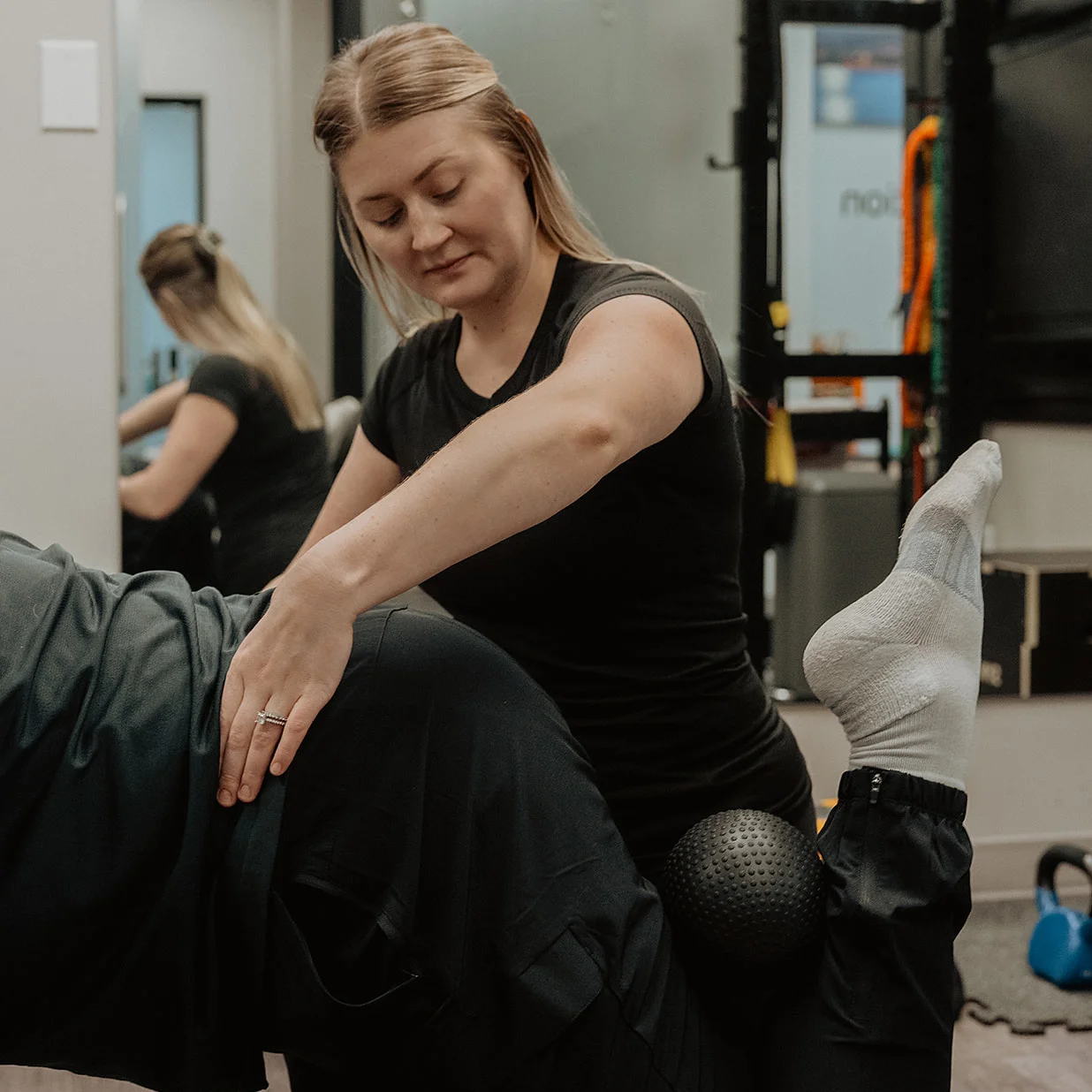
Clinical Pilates works alongside other treatments at our Kelowna clinic. You might be seeing a Chiropractor for adjustments, working with a Physiotherapist on strength, and doing Clinical Pilates for movement retraining.
This team approach gives you better results. Your Chiropractor can improve joint mobility. Your Physiotherapist can rebuild strength. And Clinical Pilates helps you use that improved mobility and strength in functional ways.
For people recovering from injuries, this integration becomes really relevant. Maybe you’re dealing with whiplash from a motor vehicle accident. Your Registered Massage Therapist addresses soft tissue tension. Your Chiropractor works on neck mobility. And Clinical Pilates helps you rebuild the stability and control your neck needs to function without pain.
We also use Clinical Pilates alongside other modalities like shockwave therapy or dry needling. These treatments can address specific tissue problems, while Clinical Pilates helps those improvements last by changing how you move.
Building Long-Term Results
The real goal with Clinical Pilates isn’t just feeling better today. It’s about building a foundation that keeps you healthy long-term.
Research suggests the benefits of Clinical Pilates may be maintained over time with continued practice. That doesn’t mean you need weekly sessions forever. It means learning movement patterns you can maintain on your own.
At our Kelowna clinic on Pandosy Street, we’re teaching you skills, not creating dependence. As you progress, you’ll learn exercises you can do at home. You’ll understand what your body needs and how to give it the right stimulus.
Many people continue some level of Clinical Pilates even after their pain resolves. It becomes part of how they stay healthy and active. Think of it like brushing your teeth, you do it because prevention is easier than treatment.
Working with ICBC Claims
If you’re dealing with injuries from a motor vehicle accident, Clinical Pilates can be part of your ICBC claim coverage. At Pro Motion Clinic in Kelowna, we work with ICBC claims regularly and understand the process.
Your initial assessment helps determine if Clinical Pilates is appropriate for your recovery. If it is, we include it in your treatment plan and handle the billing through your claim. This means you can focus on recovery rather than paperwork.
The active nature of Clinical Pilates fits well with ICBC’s rehabilitation goals. It helps you regain function and get back to your normal activities, which is exactly what the insurance coverage is designed to support.
Finding Clinical Pilates in Kelowna
Pro Motion Clinic is located at #202-3030 Pandosy Street in Kelowna. You can reach us at 236-420-0660 to book an appointment or ask questions about whether Clinical Pilates might work for your situation.
We work with people from all over the Okanagan, whether you’re in downtown Kelowna, West Kelowna, or anywhere in the valley. Our clinic is easy to access and we offer appointment times that fit different schedules.
Clinical Pilates requires specialised training beyond standard Pilates instruction. Our team has the clinical background and rehabilitation expertise to use this approach effectively. We’re trained in anatomy, biomechanics, and how to modify exercises for different conditions and recovery stages.
Getting Started
If you’re curious whether Clinical Pilates might help your situation, the best first step is an assessment. We can look at what’s going on with your body and discuss whether this approach makes sense for you.
Sometimes Clinical Pilates is the main focus of treatment. Other times it’s one part of a bigger plan that includes manual therapy, strength work, or other interventions. We’re honest about what we think will help and what won’t.
The people we see the best results with are those who show up consistently and do their home exercises. Clinical Pilates isn’t a passive treatment. It requires your participation. But that active involvement is also what makes it effective at creating lasting change.
Whether you’re dealing with pain that’s been around for years or you’re recovering from a recent injury, Clinical Pilates offers a way to address movement dysfunction at its source. At Pro Motion Clinic in Kelowna, we’re here to guide you through that process and help you move better, feel better, and stay active doing the things you love.
Real results, real people
Ready to move better in Kelowna?
Book online or call our team — direct billing is available for most extended health plans.